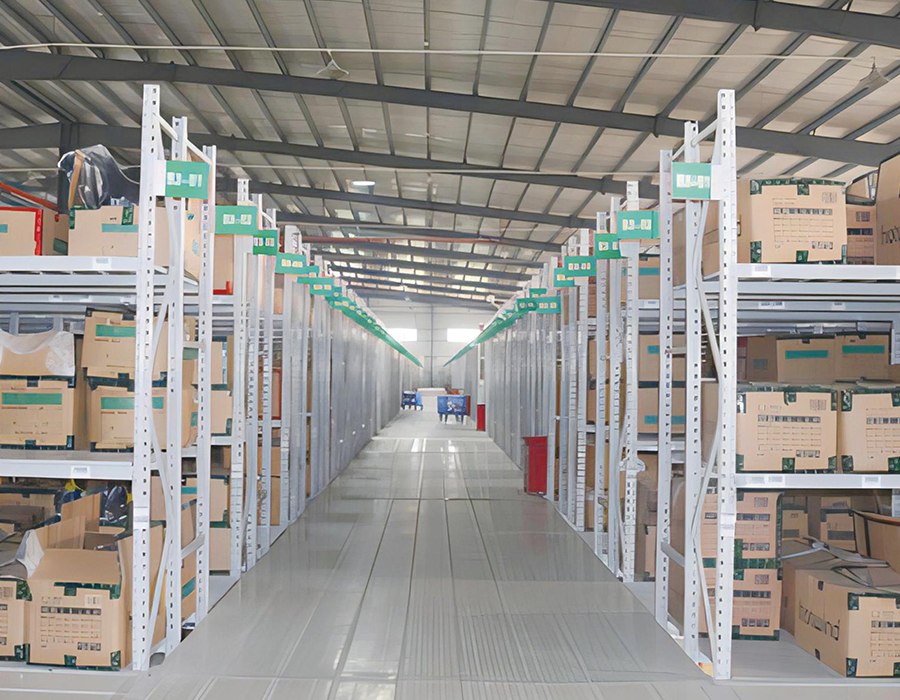
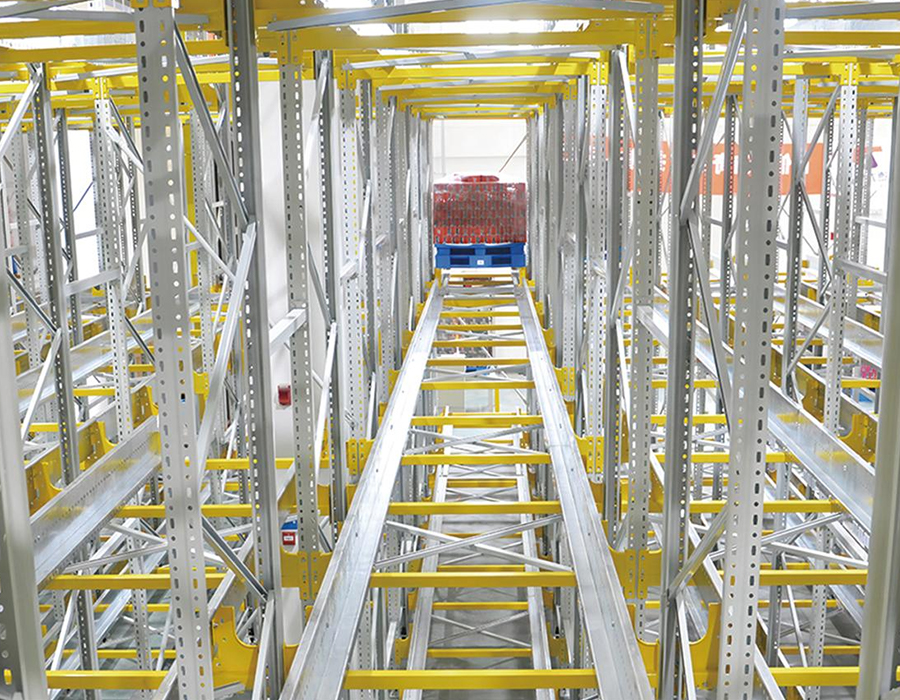
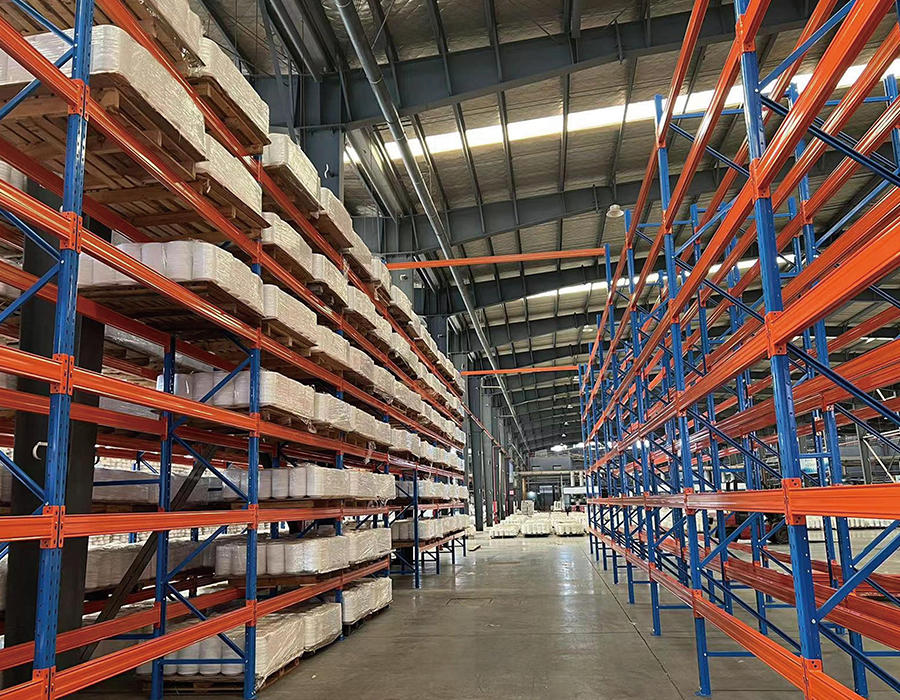
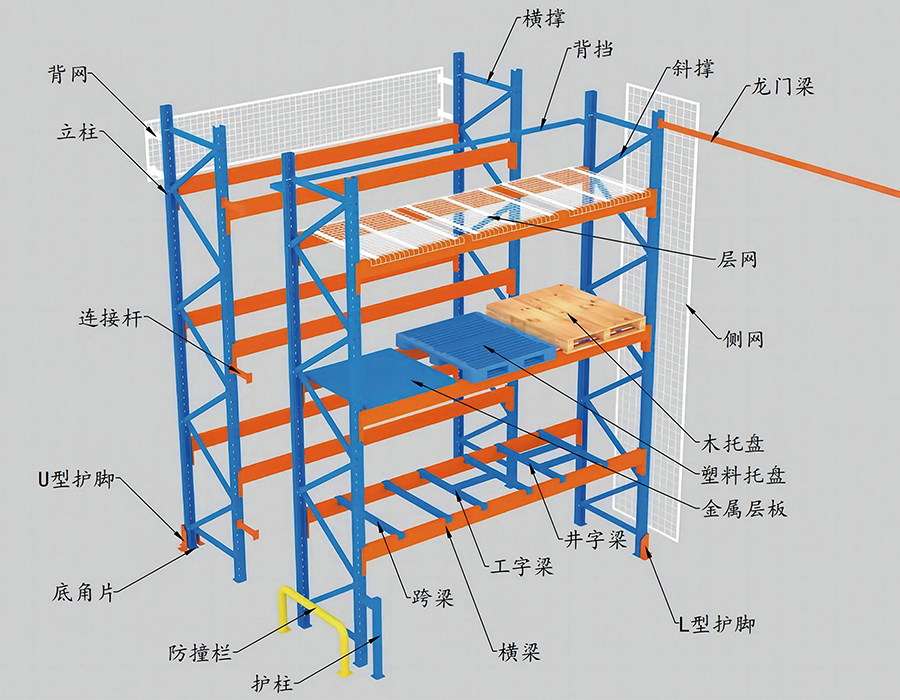
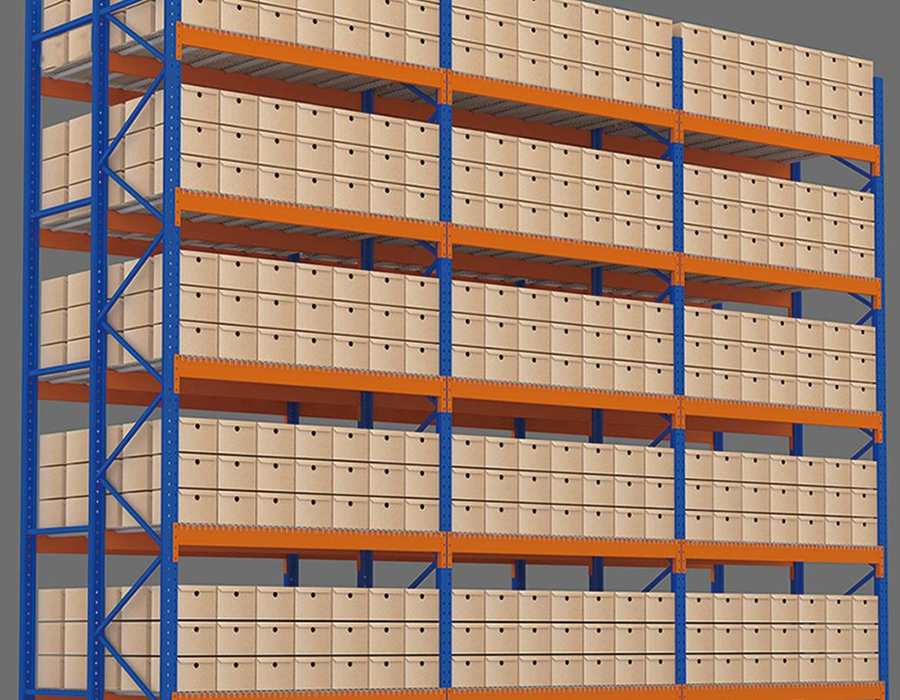
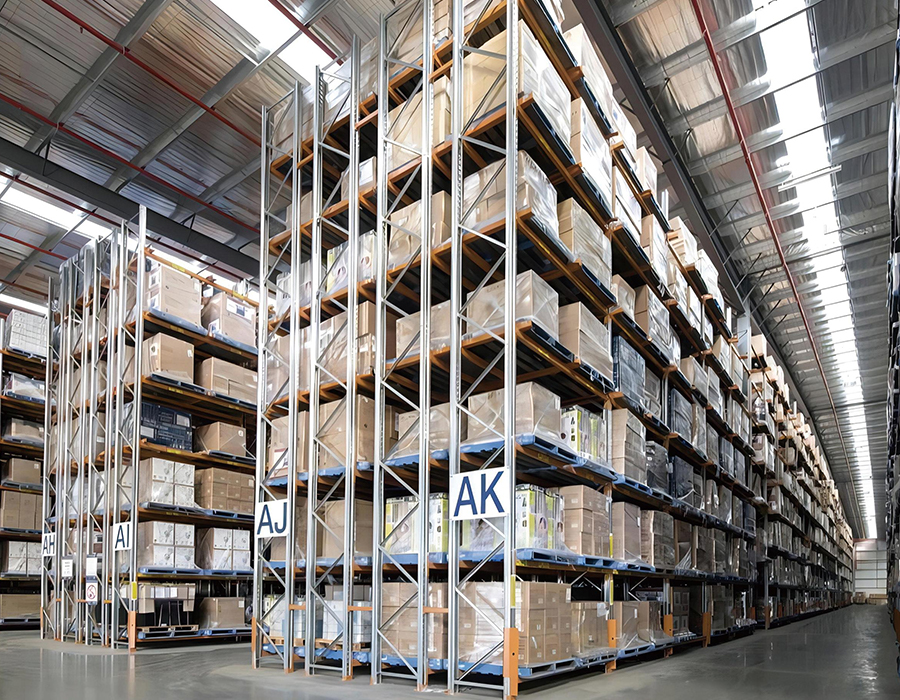
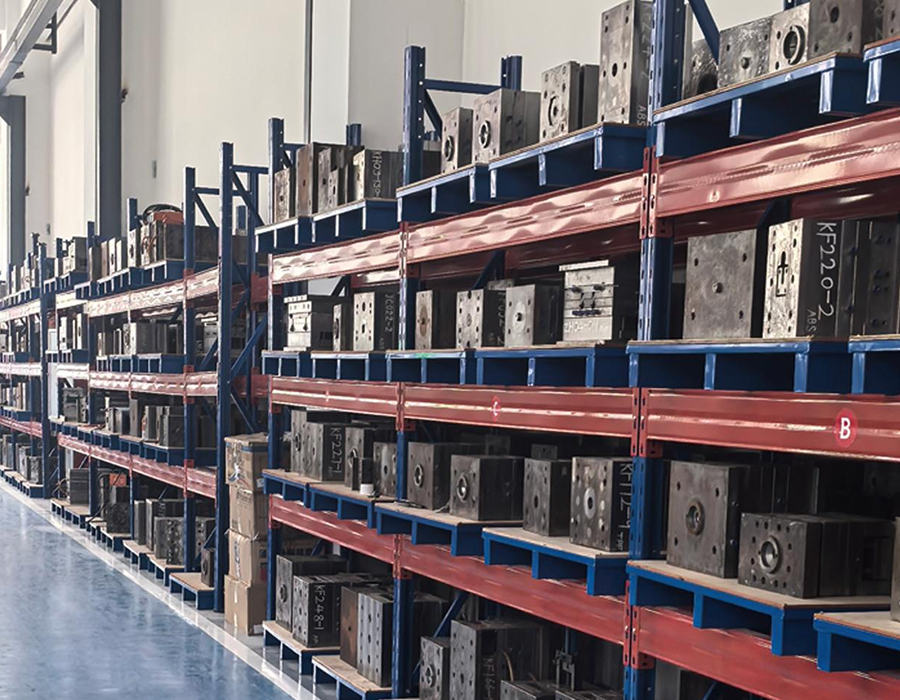
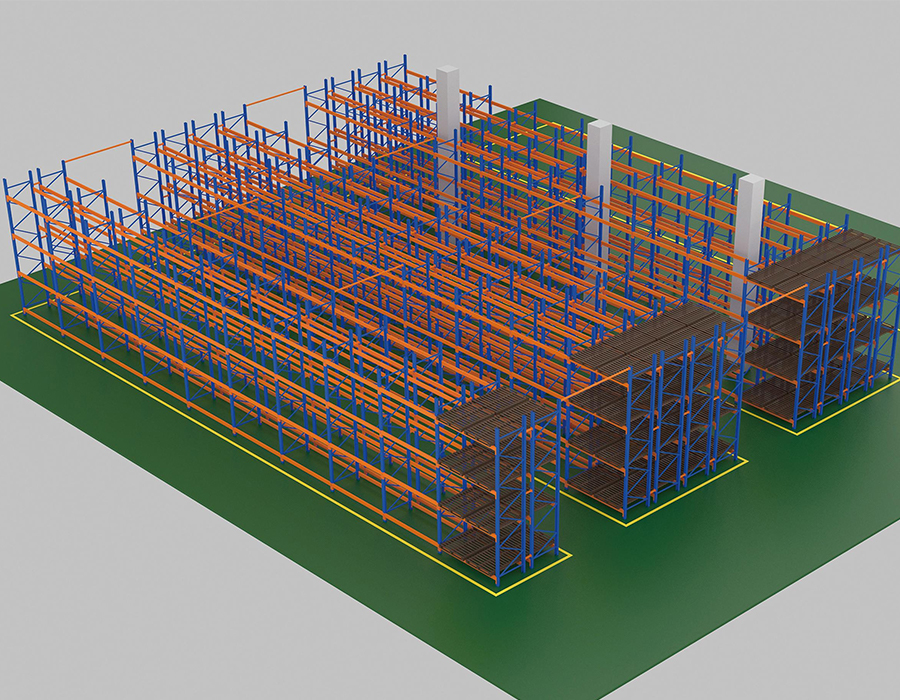
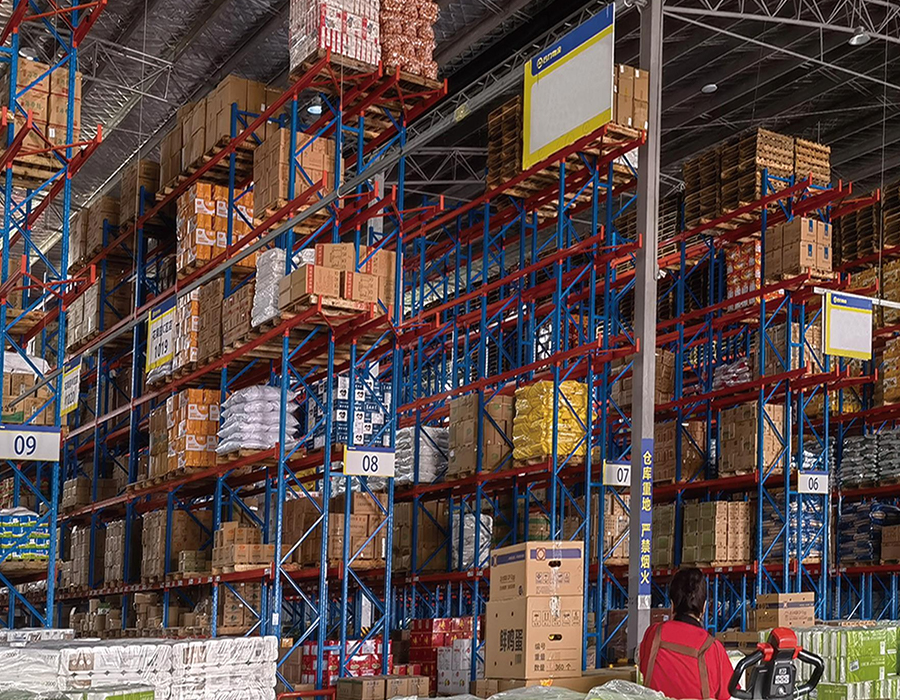
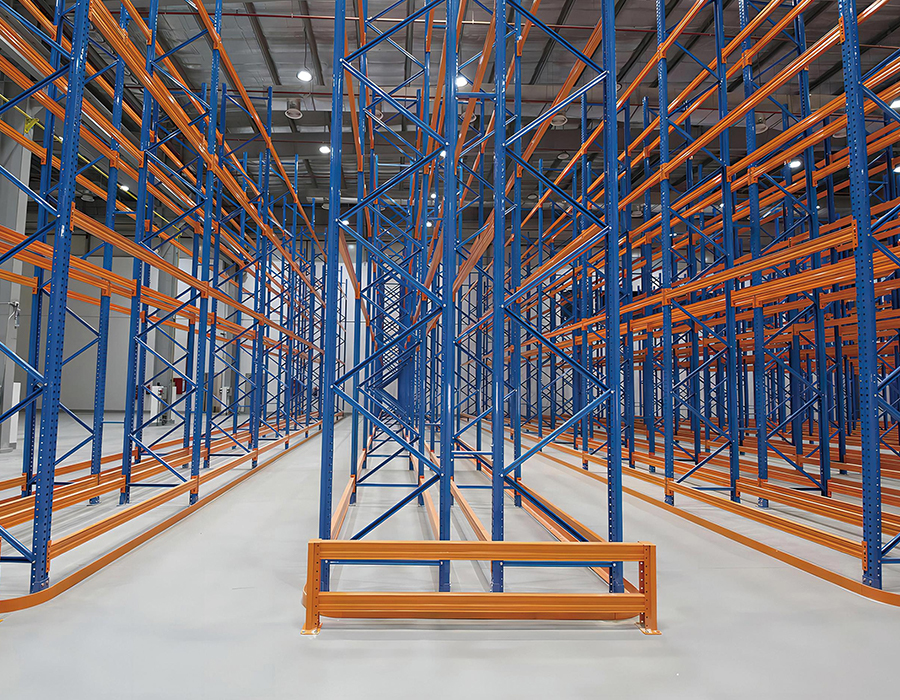
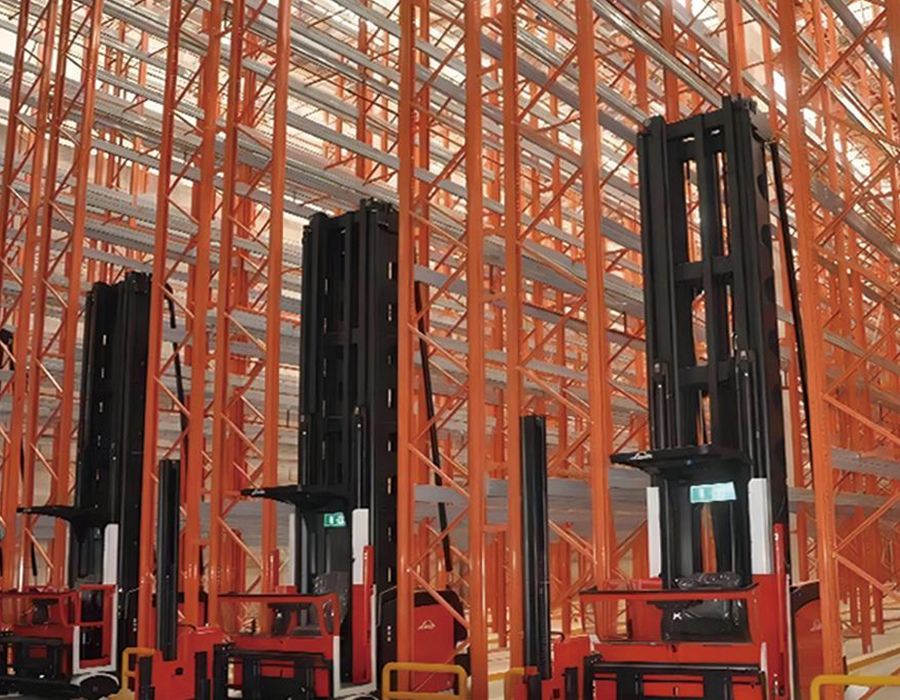
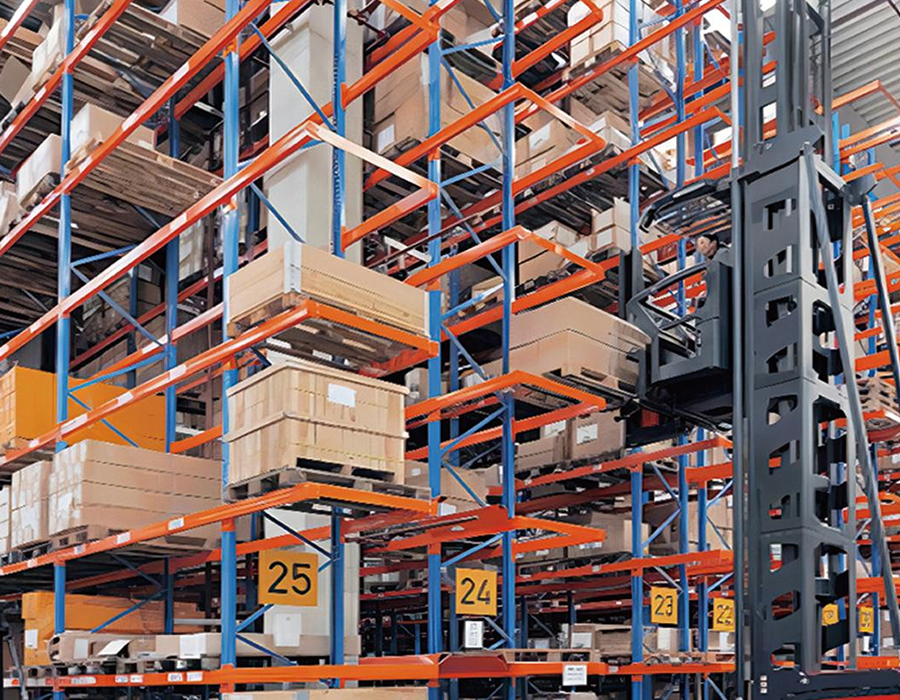
Heavy-duty pallet racking encompasses a full range of industrial-grade storage systems built around the pallet as the primary storage unit — including selective, double deep, very narrow aisle, radio shuttle, and drive-in configurations — enabling tailored solutions from standard warehousing to high-density automated distribution centres.
Maximum storage heights range from 10 m to 15 m, depending on system type, with space utilisation spanning 40% to 70% across the product range. The systems support FIFO, LIFO, and random-access inventory rotation to meet the distinct density and throughput requirements of different industries and operational models.
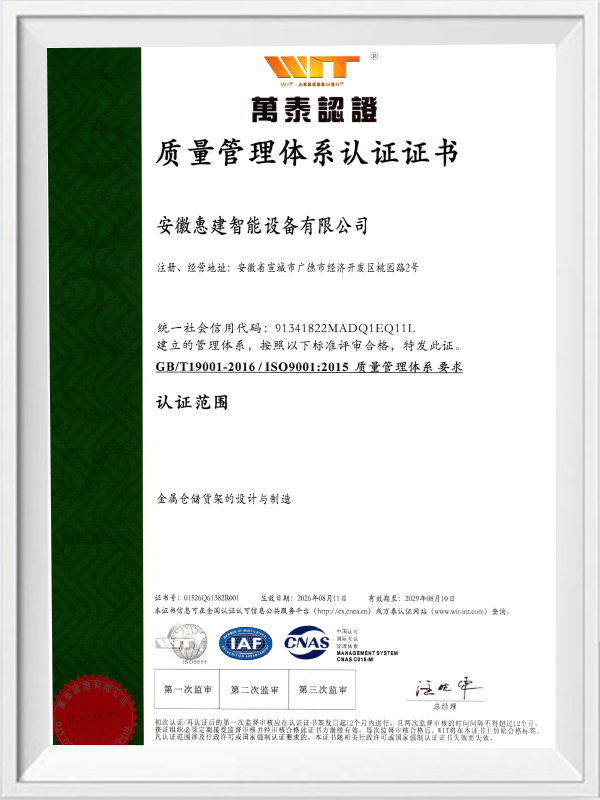
All products are manufactured under an ISO 9001-certified quality management system, with rigorous incoming steel inspection, proven anti-corrosion surface treatment, and structural load designs compliant with national warehouse racking safety standards — ensuring reliable long-term performance under intensive operating conditions.
Widely adopted in e-commerce, FMCG, manufacturing, pharmaceuticals, tobacco, and cold-chain logistics, the range integrates seamlessly with reach trucks, turret trucks, radio shuttles, and automated storage and retrieval systems, forming the essential structural backbone of any warehousing project.
|
|
| Rack Type | Selective Pallet Rack |
| Rotation Method | First-In, First-Out (FIFO) |
| Storage Density | 40% |
| Maximum Storage Height | 15m |
| Auxiliary Equipment | Compatible with reach trucks, stacker cranes, and pallets |
| Accessibility | High access rate |
| Main Application Industries | The most commonly used warehouse rack is suitable for almost all industries and scenarios. |
|
Rack Type | Double Deep Rack |
| Rotation Method | 50% First-In, Last-Out (FILO) | |
| Storage Density | 50% | |
| Maximum Storage Height | 10m | |
| Auxiliary Equipment | Compatible with reach trucks, stacker cranes, and forklifts with telescopic forks. | |
| Accessibility | Steady access speed | |
| Main Application Industries | Suitable for storing items with a large variety in small batches or a small variety in large batches, such as food, cold storage, manufacturing, distribution centers, and medical industries. |
|
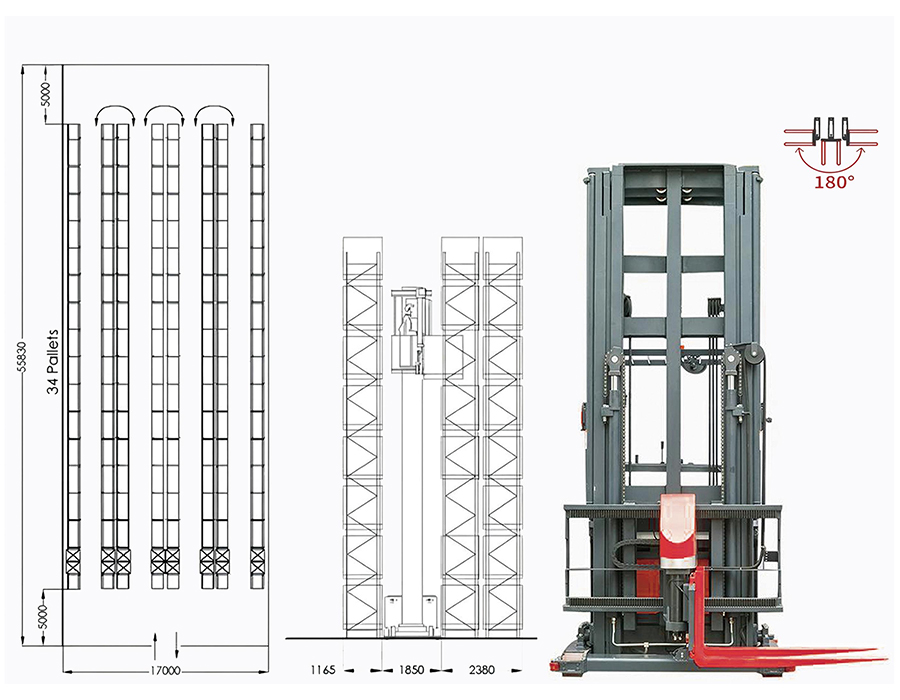
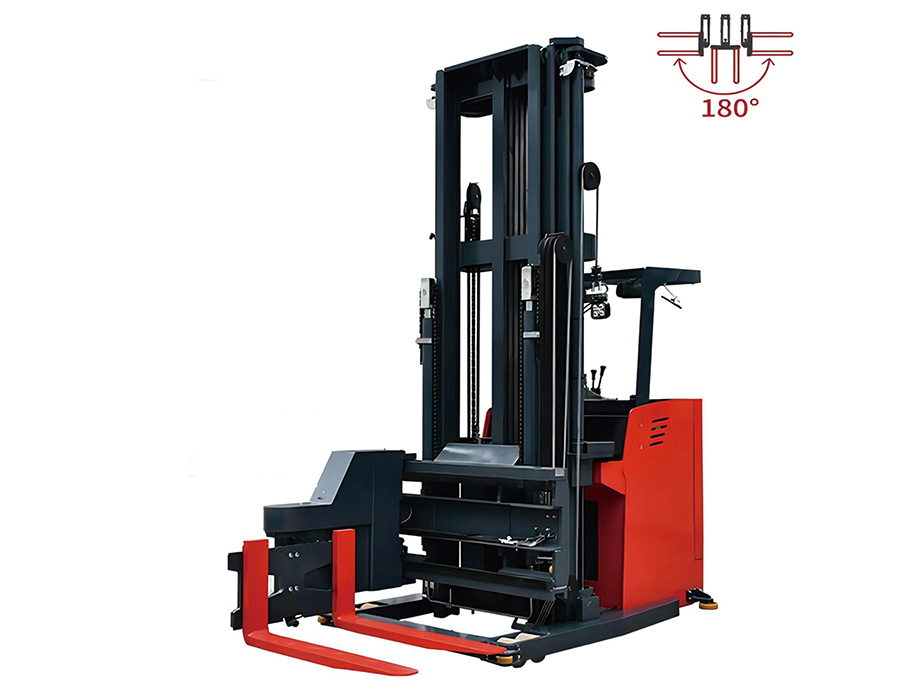
Rack Type | Very Narrow Aisle (VNA) Rack |
| Rotation Method | Random Access | |
| Storage Density | 65% | |
| Maximum Storage Height | 14m | |
| Auxiliary Equipment | Operated by three-way stacker cranes within guided rails, with electromagnetic induction navigation. Supports man-up and unit-up operation modes. Maximum lifting height is 14 meters, with a working aisle width of 1.5m–2m, enabling higher warehouse space utilization. | |
| Accessibility | Steady access speed | |
| Main Application Industries | Suitable for scenarios with large cargo volume, infrequent cargo movement, high logistics requirements, and high available clear warehouse height. |
|
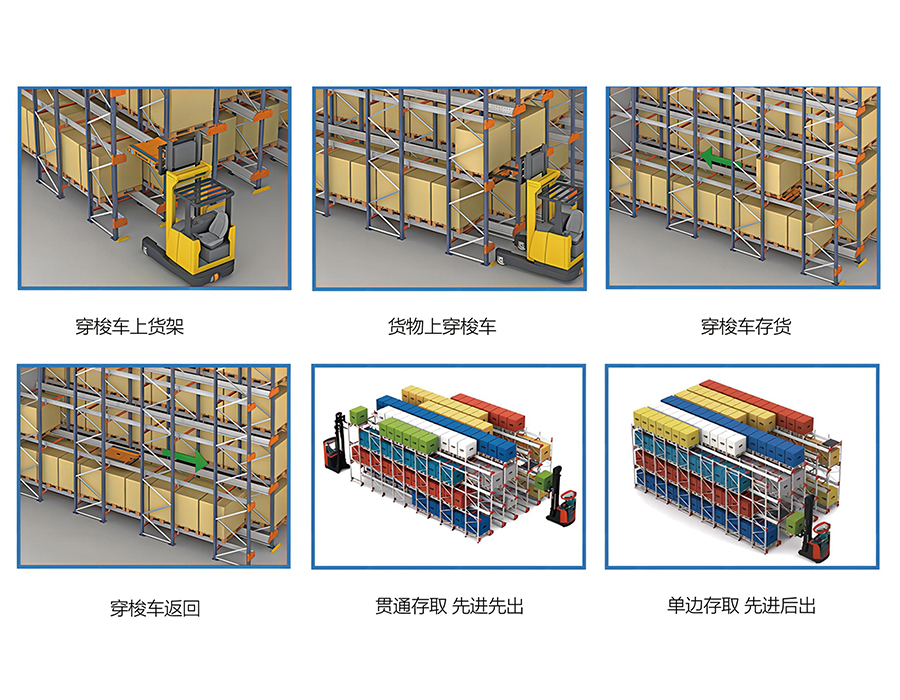
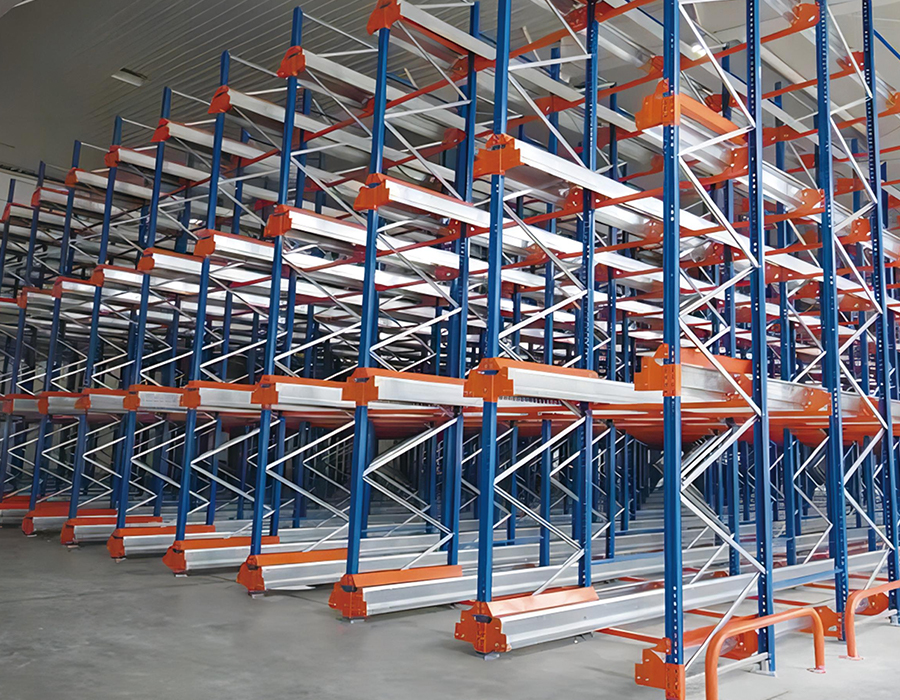
Rack Type | Shuttle Rack |
| Rotation Method | First-In, Last-Out (FILO) / First-In, First-Out (FIFO) | |
| Storage Density | 70% | |
| Maximum Storage Height | 11m | |
| Auxiliary Equipment | Compatible with heavy-duty reach trucks and bi-directional shuttle cars. | |
| Accessibility | Steady access speed | |
| Main Application Industries | Suitable for high-volume, low-variety storage with large batch sizes per SKU, such as wholesale, cold storage, tobacco, food, baby products (diapers), emergency supplies, etc. |
|
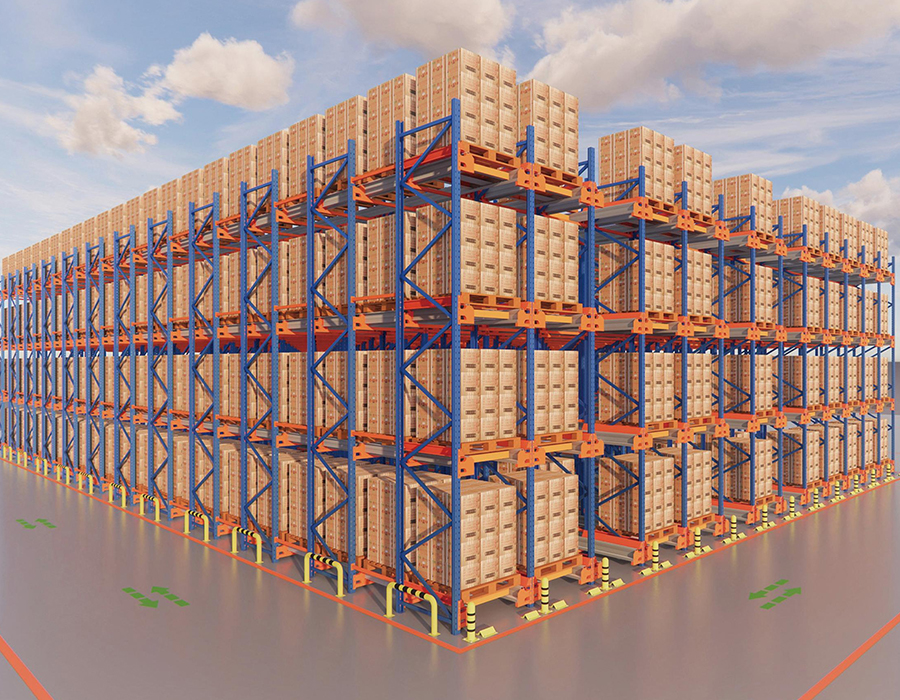
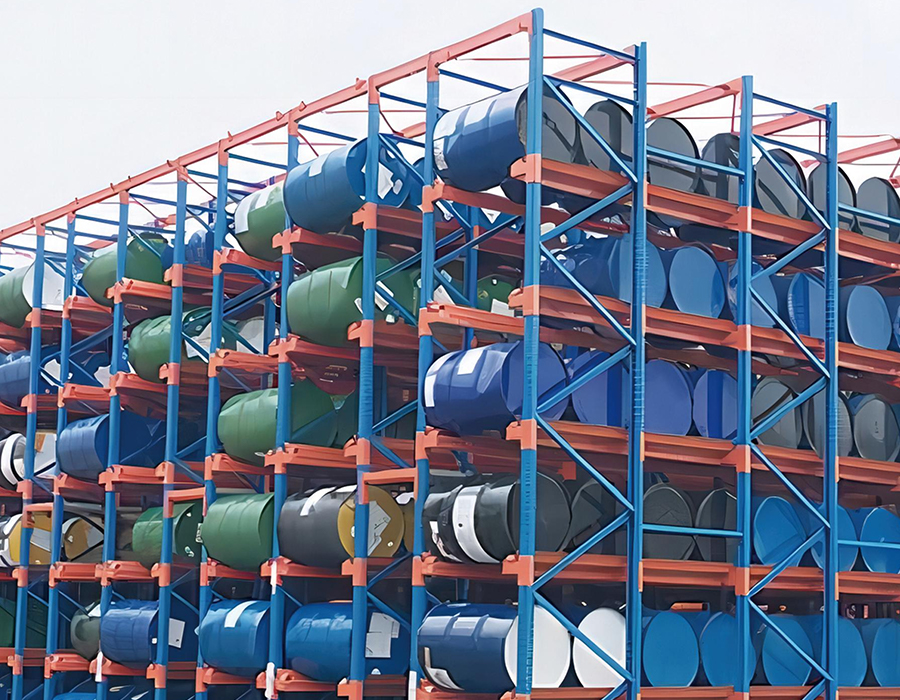
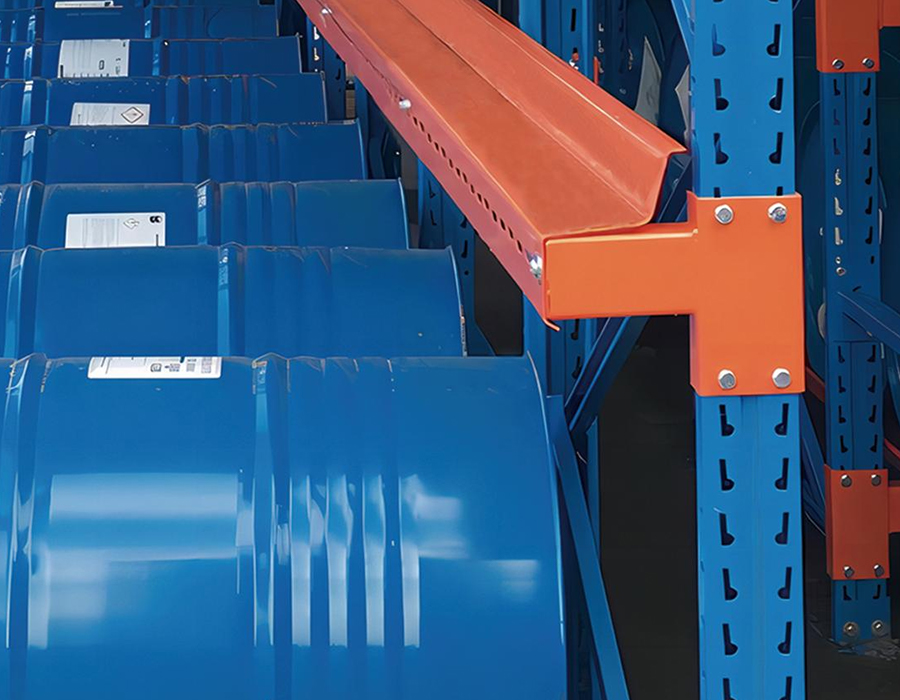
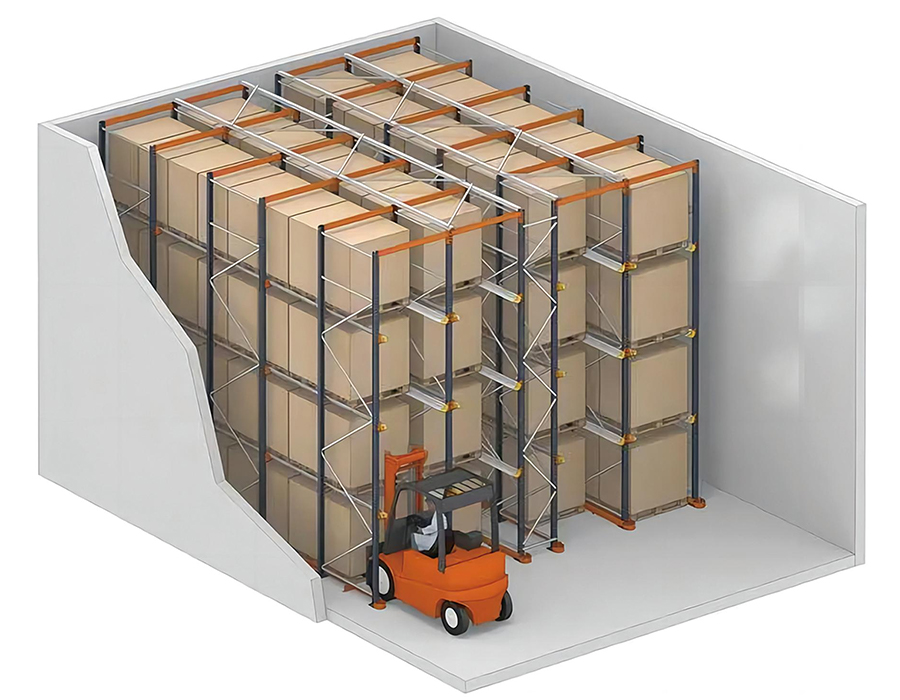
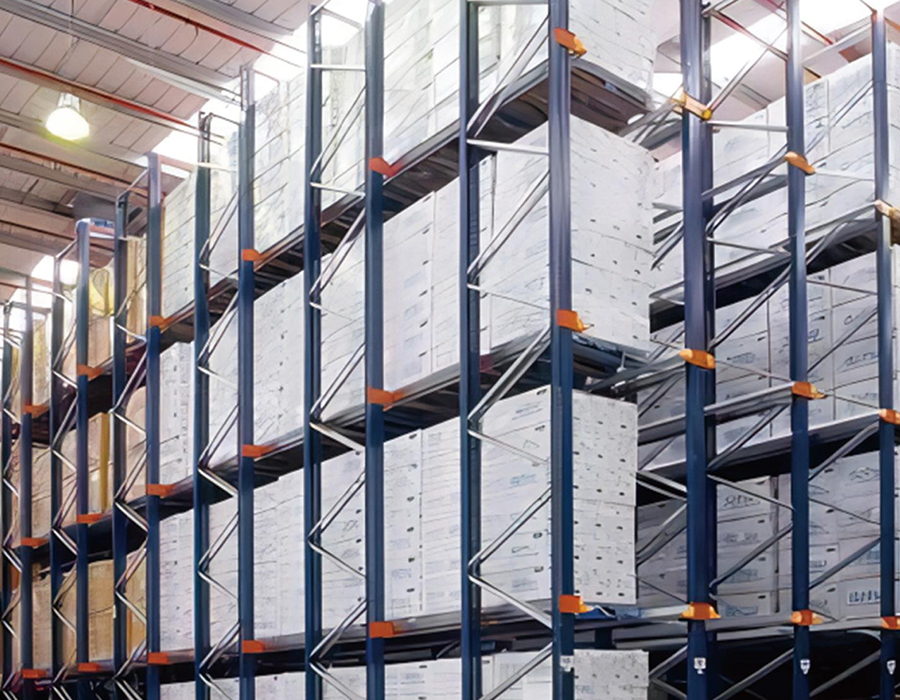
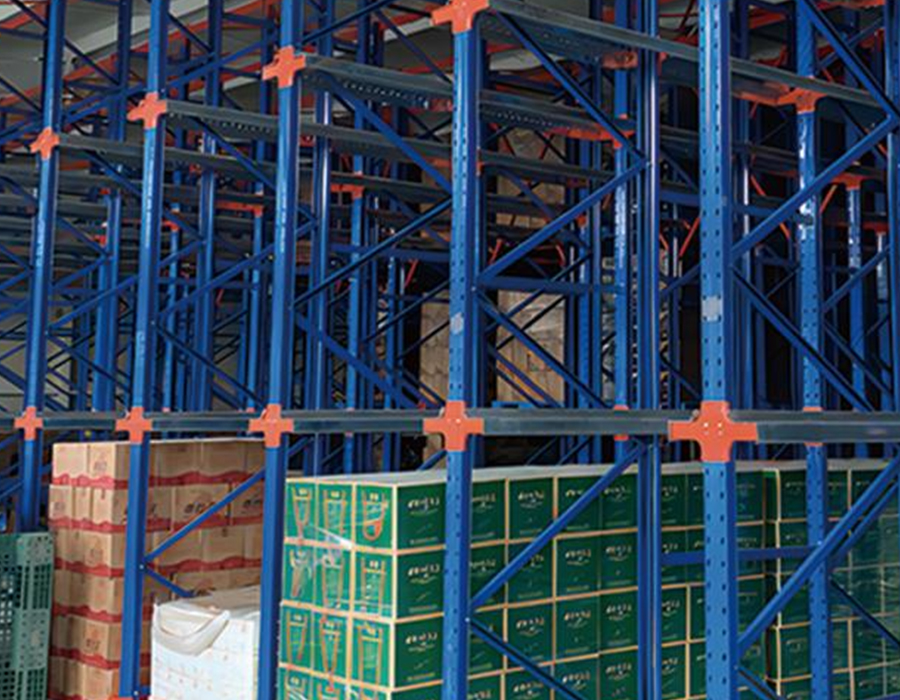
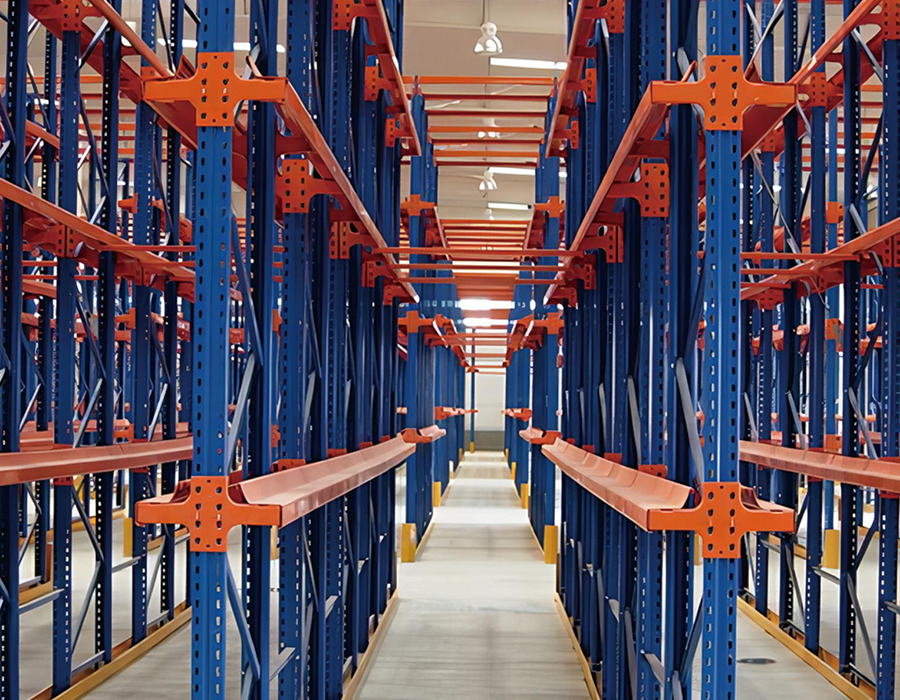
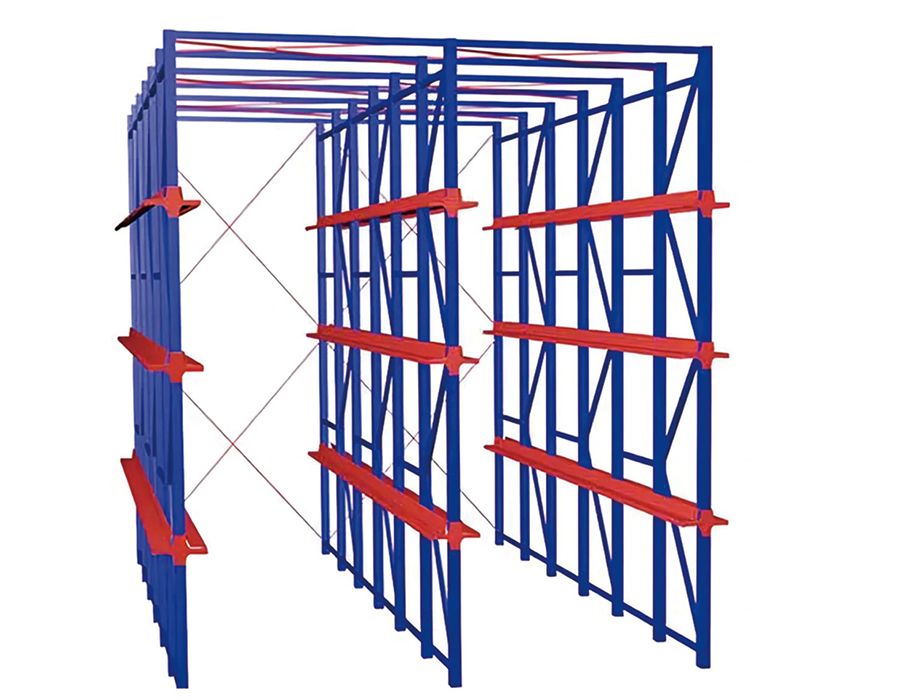
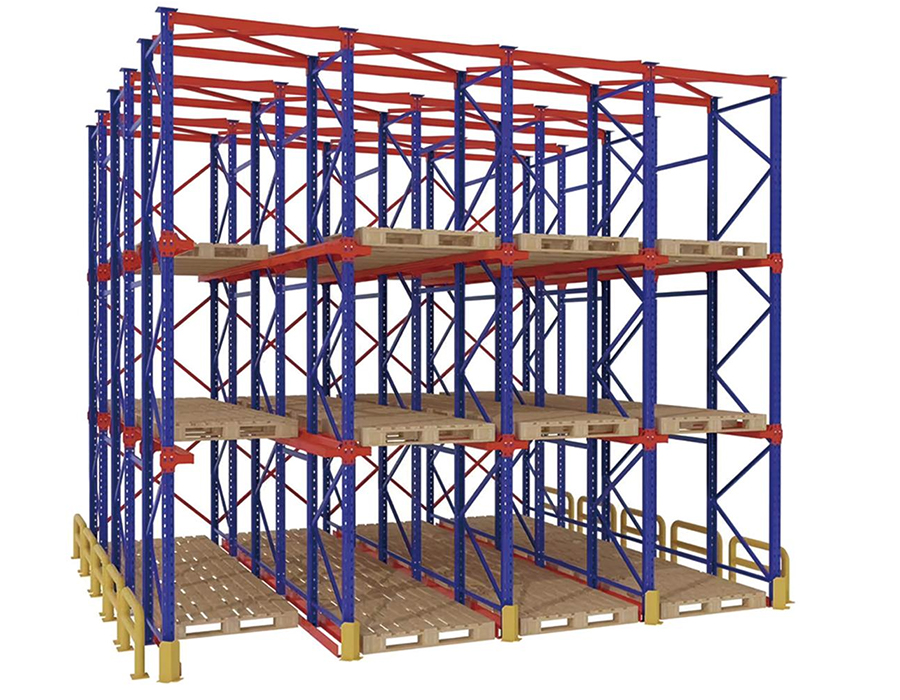
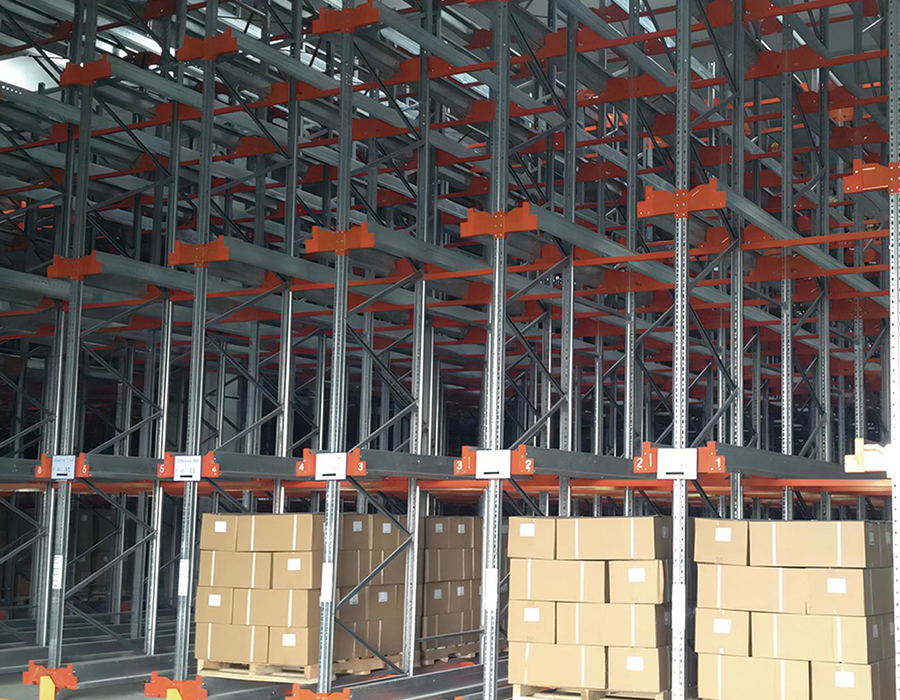
Shelf Type | Drive-In / Drive-Through Rack |
| Turnover Method | First-In, Last-Out (FILO) | |
| Storage Capacity Rate | 50% | |
| Maximum Storage Height | 10m | |
| Auxiliary Equipment | Compatible with heavy-duty reach trucks | |
| Access Rate | Steady access speed | |
| Main Application Industries | Suitable for high-volume, low-variety storage with large batch sizes per SKU, such as wholesale, cold storage, tobacco, food, etc. |

Picture a warehouse at the end of a shift: pallets of finished goods waiting in the receiving bay, ...
Read MoreWhen a forklift drops a full pallet onto a rack beam, the structure receives more than static weigh...
Read MoreAnhui Huijian Intelligent Equipment Co., Ltd. recently welcomed a delegation of representatives from...
Read MoreWhy Mould Racks Are a Core Workflow Tool In any production environment that relies on molds—injecti...
Read MoreWhat Is Light-Duty Boltless Shelving? Light-Duty Boltless Shelving is a type of storage rack designe...
Read MoreThe load rating printed on a heavy duty industrial pallet rack specification sheet is not a fixed material property — it is a calculated value derived from the interaction between steel grade, section thickness (gauge), profile geometry, and unbraced column height. Two racks with identical steel grade and stated capacity can behave very differently under load if their upright profiles differ. This distinction matters enormously when evaluating supplier quotes that list only a capacity number without specifying the cross-section.
Column upright profiles in heavy duty pallet racking systems are typically roll-formed into open or semi-closed sections — the most common being C-channel, I-section, and the teardrop or box-column profiles used in high-bay applications. Open C-channels are economical and simple to manufacture but have a lower radius of gyration about the weak axis, making them more susceptible to lateral buckling under axial compression as height increases. Closed or semi-closed box columns distribute material further from the neutral axis in both directions, significantly improving resistance to buckling — which is why virtually all racking above 10 meters uses box or heavy-walled closed profiles.
Gauge reduction is a common cost-cutting method that is difficult to detect without measurement. A nominal 2.0mm upright produced at 1.7mm actual thickness loses roughly 15% of its cross-sectional area and a disproportionately larger share of its moment of inertia. The practical consequence is a rack that meets stated load capacity under ideal laboratory test conditions but has reduced safety margins under real-world eccentric loading, impact, or dynamic forces from forklift operations. Buyers should specify minimum gauge tolerances in procurement contracts and request material certificates alongside dimensional inspection reports.
Beam deflection in loaded pallet racking is not merely an aesthetic concern — it is a structural signal with direct implications for load redistribution and connector integrity. Industry standards, including the FEM 10.2.02 racking code and China's GB/T 25820, specify that horizontal beam deflection under full rated load should not exceed span/200 as a serviceability limit. For a standard 2,700mm beam span, this equates to a maximum mid-span deflection of 13.5mm. Exceeding this limit does not guarantee immediate failure, but it indicates that the beam is operating at the edge of its design envelope.
What happens structurally when beams deflect excessively is often misunderstood. The primary risk is not beam fracture — it is the progressive loosening of the beam-to-upright connector under repeated loading and unloading cycles. Most heavy duty pallet racking systems use a hook-in safety locking connector where the beam tab engages a punched slot in the upright column. When beams deflect and recover repeatedly under dynamic pallet placement, the connector experiences micro-movement at the engagement point. Over time, this work-hardens the steel at the hook tip, eventually causing tab cracking or slot deformation that reduces connector pull-out resistance well below its rated value.
The corrective approach is not always to increase beam depth. Sometimes the more efficient solution is to reduce bay width — stepping from 2,700mm to 2,400mm spans dramatically reduces maximum bending moment and deflection without increasing steel weight proportionally. Our heavy duty industrial pallet racks are designed with span-to-depth ratios verified against actual deflection calculations, not just static load tables, ensuring that long-term connector integrity is maintained across the full service life of the system.
Standard pallet racking load calculations assume that pallet loads are centered on beams with the pallet fully supported between the two beam rails. In practice, pallets frequently overhang the beam face, sit asymmetrically between rails, or are placed with their stringers running parallel to the beam rather than perpendicular. Each of these deviations introduces load eccentricities that the standard capacity tables do not account for, yet they occur routinely in high-throughput warehouses.
When a pallet overhangs the front beam face by 100–150mm — common with GMA pallets on narrower bay widths — the effective load point shifts forward of the upright frame plane. This introduces a tipping moment on the front beam that the connector must resist in addition to its vertical shear load. The combined demand can exceed the connector's rated pull-out resistance at loads well below the beam's stated pallet capacity. The same effect occurs when pallets are placed with stringers parallel to beams, creating two concentrated line loads rather than distributed surface contact across the full pallet base.
A practical mitigation used in heavy duty pallet racking systems handling irregular pallets is the installation of pallet support bars — cross-members placed perpendicular to the beams at the midpoint of the bay. These bars provide a third contact point for pallets, converting point loading into distributed loading and reducing beam deflection by up to 40% for the same pallet weight. They also prevent pallets from dropping between beams in the event of beam connector failure, adding a meaningful secondary safety function.
Upright frame depth — the dimension measured front-to-back between the two upright columns that form a frame — is frequently specified at the minimum necessary to support the declared load, which for standard single-deep selective racking is typically 800mm or 1,000mm. However, frame depth has a direct and significant effect on the racking system's stability against overturning forces, and selecting the minimum depth in all applications is a false economy in heavy duty environments.
| Frame Depth | Typical Application | Overturning Resistance | Base Footprint Impact | Relative Material Cost |
| 600mm | Light to medium duty, low heights | Low | Minimal | Base reference |
| 800mm | Standard selective racking up to 8m | Moderate | Minor aisle impact | +8–12% |
| 1,000mm | Heavy duty pallet racking, high bay | Good | Moderate | +18–22% |
| 1,200mm+ | Very heavy loads, seismic zones, AS/RS | Excellent | Significant — requires aisle redesign | +28–35% |
In high-bay heavy duty pallet racking systems above 10 meters, the slenderness ratio of the upright — its height divided by its minimum radius of gyration — becomes the governing design parameter rather than the axial load alone. Deeper frames inherently brace the upright at a longer horizontal distance from the column centerline, which increases the effective radius of gyration of the frame assembly and raises the critical buckling load. This is why the additional material cost of a 1,000mm or 1,200mm frame is typically justified by a reduction in required upright section weight that partially offsets the added cost of the wider diagonal bracing members.
Most warehouse personnel and even many procurement teams assume that rack anchor bolts primarily resist horizontal shear forces — the lateral push from forklift impacts or seismic activity. In reality, the governing load case for rack base anchors in most heavy duty pallet racking configurations is vertical pull-out tension, not horizontal shear. Understanding this reverses the logic of how anchors should be specified and inspected.
The mechanism is straightforward: when a rack frame is subjected to an overturning moment — whether from an eccentric pallet load, a forklift impact at height, or seismic lateral acceleration — the baseplate on the tension side of the frame lifts rather than slides. The anchor bolt on that side must resist the full uplift force in tension. For a 10m-high heavy duty rack loaded to 4,000 kg per level across five levels, the calculated uplift force at the tension anchor under a design impact can exceed 15–20 kN. Standard M12 expansion anchors in standard concrete achieve pull-out capacities of only 8–12 kN depending on embedment depth and concrete grade — well below the demand.
The correct specification approach involves three verified parameters: concrete compressive strength at the installation location (minimum C25 for most heavy duty applications), anchor embedment depth (not just bolt length — the effective embedment after allowing for the baseplate thickness and any leveling grout), and edge distance from the nearest concrete joint or edge. Pull-out test results from on-site installed test anchors are the most reliable verification method and should be required on any project where the calculated uplift demand approaches more than 60% of the anchor's catalogue pull-out capacity.
Aisle width in a heavy duty industrial pallet racking layout is not simply a traffic-management decision — it is a systems engineering constraint that simultaneously determines forklift type, maximum rack height, throughput rate, and total storage density. These variables are tightly coupled, and optimizing one without modeling the others produces suboptimal outcomes that are expensive to correct after installation.
The three principal aisle categories each create a distinct set of cascading constraints:
At Huijian, our layout engineering process begins with the forklift specification rather than ending with it. Designing the rack system first and then selecting a forklift to fit is a common sequencing error that forces compromises in both aisle width and rack height that reduce the overall efficiency of the warehouse.
Powder coating thickness is the specification most commonly cited when comparing surface finish quality between heavy duty industrial pallet rack suppliers. A standard specification of 60–80 microns dry film thickness is widely referenced, and most reputable manufacturers meet this threshold. However, coating thickness alone is an incomplete predictor of corrosion resistance and coating adhesion longevity in real industrial environments — the pre-treatment process before powder application is the more critical variable.
The standard pre-treatment sequence for industrial racking steel involves degreasing, surface pickling or shot-blasting to remove mill scale and rust, phosphating to create a conversion coating that chemically bonds to the steel surface, and a final passivation rinse before powder application. The phosphate layer is the adhesion foundation — without it, powder coatings applied over bare or inadequately prepared steel will delaminate at cut edges and impact zones within 12–24 months in humid or chemically active environments, regardless of coating thickness. Salt spray testing per ISO 9227 at 500 hours minimum is a meaningful quality benchmark; suppliers should be able to provide test certificates rather than only specifications.
For cold storage applications where racking operates at temperatures below -20°C, standard polyester powder coatings become brittle and lose impact resistance. Epoxy-polyester hybrid coatings or hot-dip galvanizing are the appropriate specifications in these environments. The choice between them involves a cost-versus-accessibility trade-off: hot-dip galvanizing provides superior long-term corrosion resistance and survives mechanical damage without delamination, but damaged galvanized sections cannot be field-repaired with paint, while hybrid-coated components can be touched up. With our six production lines and in-house coating processes at our 58,000-square-meter facility, we maintain direct control over pre-treatment quality at every stage — something that contracted-out coating processes cannot reliably guarantee.
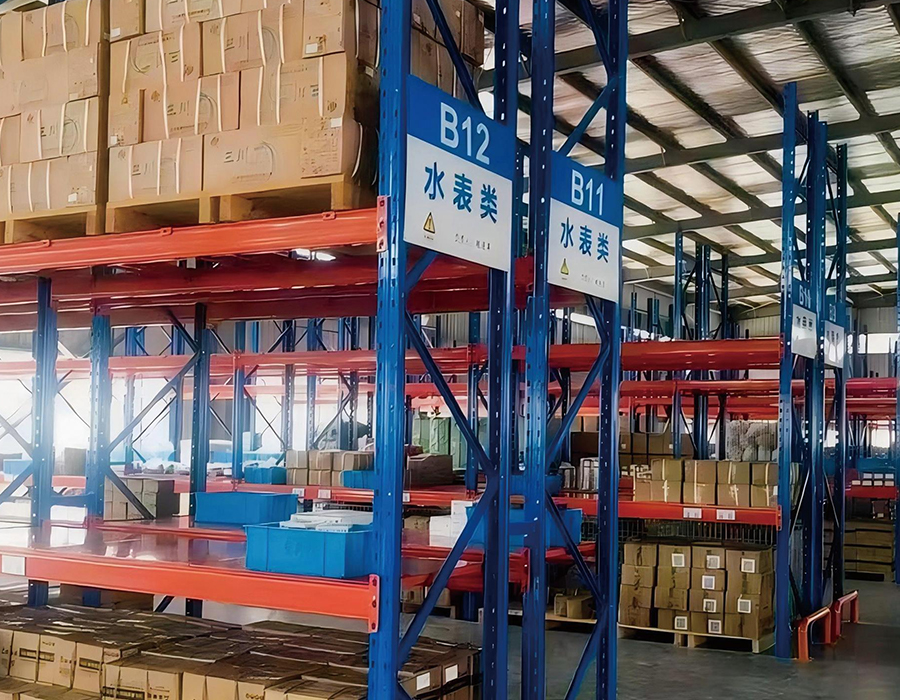
Load notice boards — the plaques mounted on racking that display maximum permissible loads per bay, per beam level, and per upright frame — are required under most national industrial racking standards, including China's GB/T 25820 and the European EN 15635. In practice, they are frequently treated as a compliance formality rather than an operational tool, which significantly reduces their safety value.
A properly specified load notice for a heavy duty pallet racking system should communicate more than a single total bay capacity number. Operationally useful load notices include the following information:
The more practical challenge is that load notices are only effective when the personnel reading them understand what the numbers mean in the context of their actual inventory. A capacity of 2,000 kg per beam level is an abstract number to a forklift operator unless it has been translated into a specific pallet count and product type reference. Facilities that supplement the standard load notice with a product-specific reference card — for example, "maximum 2 pallets of Product A, or 1 pallet of Product B per level" — report meaningfully better operator compliance with load limits than those that post only the engineering-standard notice.
Our Professional Team
Is Ready to Support You.


 Heavy Duty Pallet Racking Manufacturers




 English
 Español