 2026.07.23
 Industry News
Content
Industrial workshop material storage racks are more than just a way to keep things off the floor. They directly affect how efficiently a workspace operates, how safely materials are handled, and how much usable floor space remains for actual work. A poorly organized workshop with materials stacked haphazardly not only slows down workers searching for parts but also increases the risk of accidents from falling items or cluttered walkways.
Beyond safety and efficiency, the right storage racks also protect inventory from damage. Metal stock, lumber, pipes, and other raw materials can warp, rust, or get damaged if left improperly supported or exposed to moisture on the ground. A well-planned racking system keeps materials organized by type, size, or frequency of use, making inventory management significantly easier and reducing waste from damaged stock.
Different workshop materials require different storage approaches. Choosing the right rack type for your specific inventory is one of the most important decisions in setting up an efficient storage system.
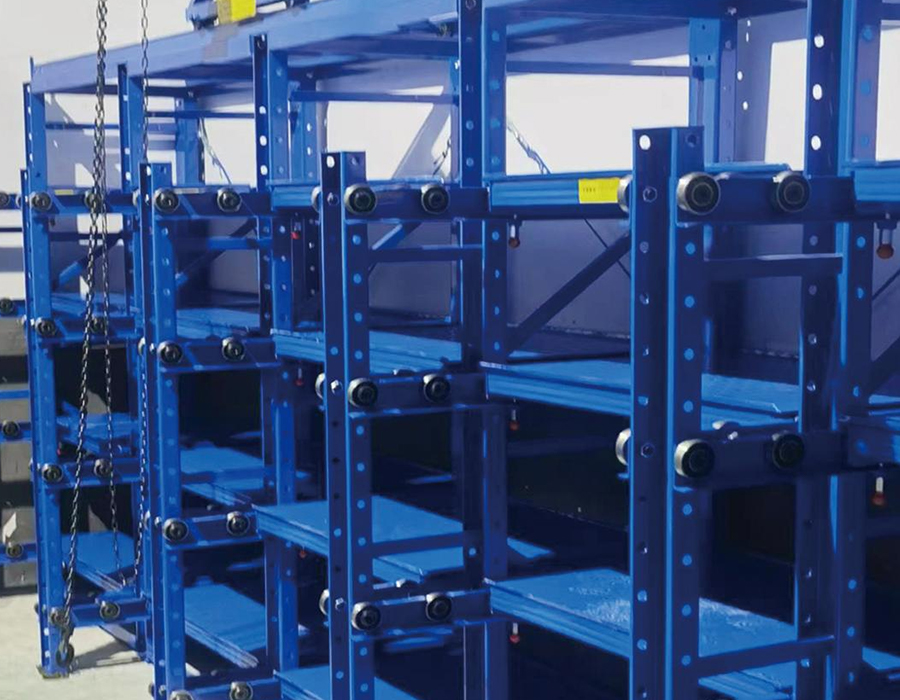
Cantilever racks are designed with arms that extend outward from a vertical column, without any front supports blocking access. This makes them ideal for storing long, bulky items like pipes, lumber, steel bars, and sheet metal that don't fit well on standard shelving. Workers can slide materials in and out easily from either side, which speeds up loading and retrieval significantly.
Pallet racks are the most common type of industrial storage rack, designed to hold palletized goods at various heights using horizontal beams supported by vertical frames. These are ideal for workshops dealing with boxed components, bulk supplies, or materials that arrive on standard pallets. Forklifts or pallet jacks are typically used to load and unload these racks efficiently.
Bin shelving is best suited for smaller parts, hardware, tools, and components that need to be sorted and easily accessible. These units typically feature multiple small compartments or bins, often labeled for quick identification, making them a staple in workshops that handle a high volume of small parts inventory.
Choosing between different types of industrial workshop material storage racks often comes down to matching load capacity and design to the materials being stored. The table below breaks down the key differences.
| Rack Type | Best For | Typical Load Capacity |
| Cantilever Racks | Long or bulky materials (pipes, lumber, bars) | 2,000-5,000 lbs per arm |
| Pallet Racks | Palletized bulk goods | 2,500-6,000 lbs per pallet |
| Bin Shelving | Small parts and hardware | 100-500 lbs per shelf |
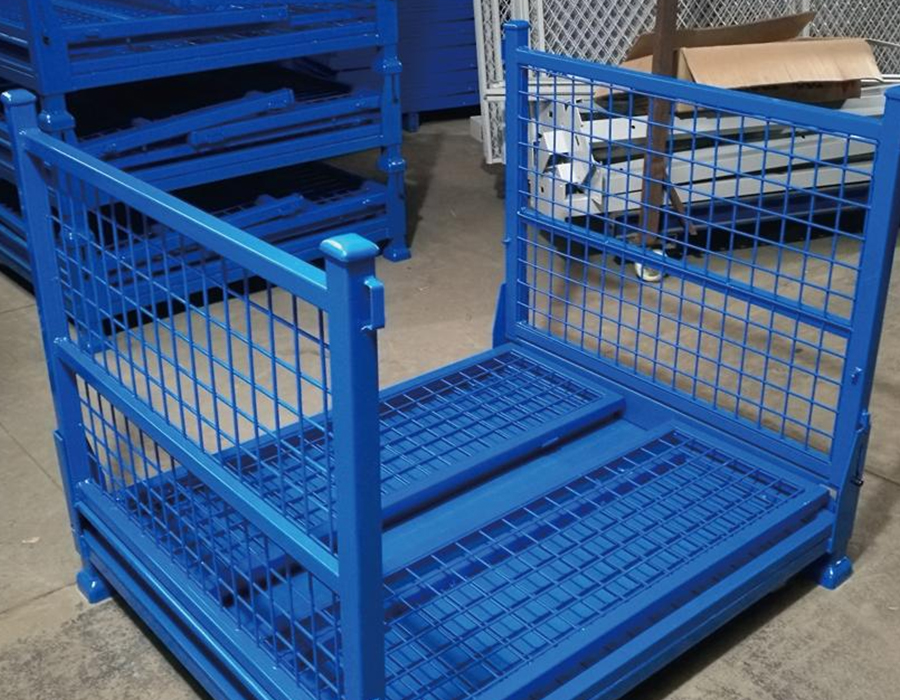
| Wire Mesh Racks | Ventilated storage, visible inventory | 300-1,500 lbs per shelf |
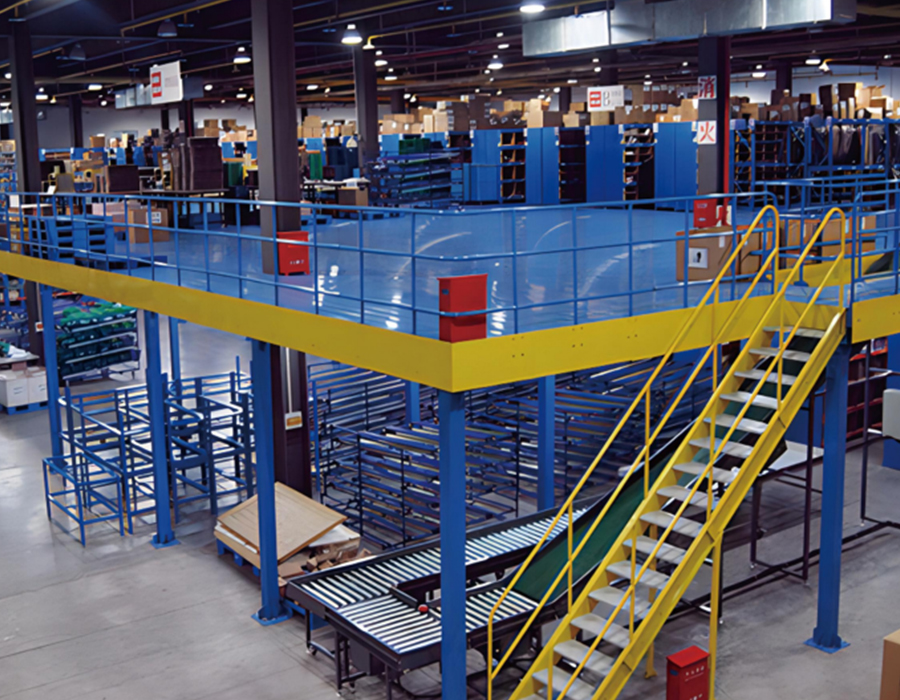
Simply buying storage racks isn't enough, placement and layout planning play a huge role in how effective the system actually is day to day. A poorly placed rack system can create bottlenecks and wasted movement, even if the racks themselves are high quality.
Materials and tools used most often should be placed closest to the work area or at eye level on racks, reducing the time workers spend walking back and forth or reaching for hard-to-access items. Less frequently used stock can be placed on higher shelves or in less accessible areas of the workshop.
Aisles between storage racks need to accommodate not just foot traffic but also equipment like forklifts, hand trucks, or carts used to move materials. Cramped aisles slow down operations and increase the risk of collisions or dropped materials, so it's worth measuring equipment dimensions before finalizing rack placement.
Organizing racks by material category, such as metals, lumber, hardware, and finished parts, makes inventory tracking far easier and reduces the chances of misplaced stock. Clear labeling on each rack section further speeds up the process of locating and restocking materials.
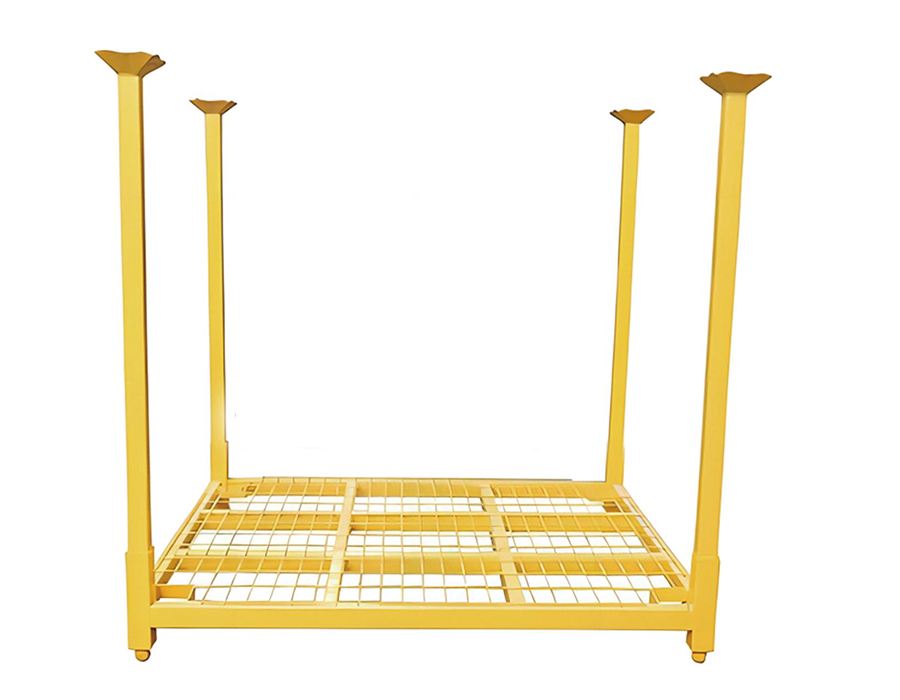
Industrial storage racks carry significant weight, and improper installation or overloading can lead to serious accidents. Following basic safety guidelines protects both workers and inventory.
Even high-quality industrial workshop material storage racks require ongoing maintenance to stay safe and functional over years of heavy use. Regular upkeep prevents small issues from turning into costly structural failures.
Routine inspections should check for signs of rust, especially in workshops with high humidity or exposure to coolant and chemicals. Bent or damaged components should be replaced immediately rather than reinforced with makeshift fixes, since compromised structural integrity can fail unexpectedly under load. It's also worth keeping a maintenance log to track inspection dates, any repairs made, and the expected lifespan of rack components, helping plan for replacements before failures occur rather than reacting to them after the fact.
Our Professional Team
Is Ready to Support You.


 Warehouse Storage Racks Manufacturers




 English
 Español