 2026.07.09
 Industry News
Content
If you've been managing a warehouse or dealing with shipping for any length of time, you already know that pallets are the backbone of modern logistics. But not all pallets are created equal. Metal pallets – usually made from steel or aluminum – are becoming an increasingly popular choice for businesses that need something stronger, longer-lasting, and more hygienic than traditional wooden pallets. Whether you're in food processing, pharmaceuticals, automotive, or heavy manufacturing, metal pallets offer a set of advantages that are hard to ignore. In this guide, we'll cover the different types of metal pallets, how they stack up against wood and plastic, what industries use them, and what you should consider before making a purchase.
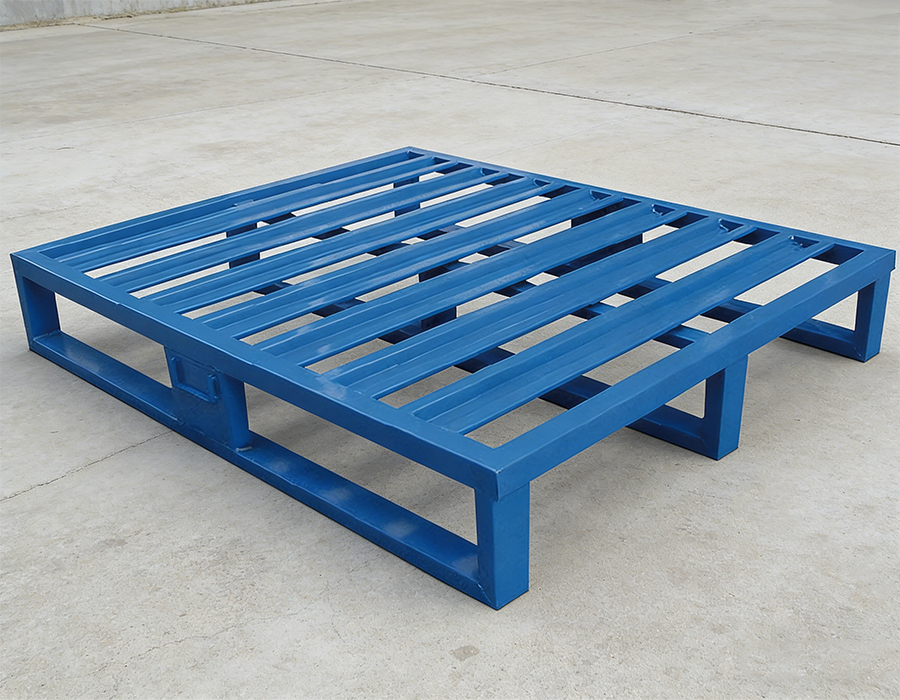
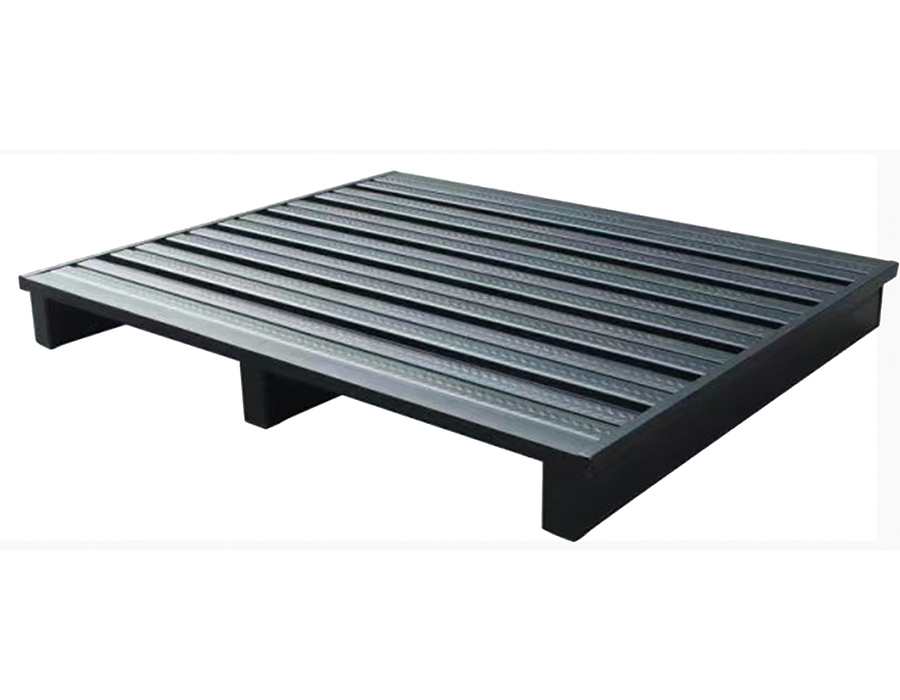
A metal pallet is a flat transport structure used to support goods while being lifted by a forklift, pallet jack, or other material handling equipment. Instead of being made from wood or plastic, metal pallets are constructed from steel or aluminum. They come in a variety of designs – some are welded steel frames, others are formed from corrugated steel sheets, and some are lightweight aluminum extrusions.
While metal pallets have been around for decades, they've seen a surge in demand in recent years. Why? Because supply chains are getting more demanding. Goods need to be moved faster, stored in tighter spaces, and handled in more challenging environments. Industrial metal pallets step up where wood and plastic fall short.
Not all metal pallets are the same. Depending on your industry, load requirements, and handling equipment, you'll choose from one of these main types.
Steel pallets are the heavy-duty workhorses of the metal pallet family. They're typically made from high-strength steel tubing or sheet metal, welded into a rigid frame. Steel pallets offer the highest load capacity – some can support up to 5,000 kg or more – and they're exceptionally durable. They resist impacts, won't splinter or rot, and can handle extreme temperatures. Steel pallets are widely used in automotive manufacturing, heavy engineering, and any industry where heavy, bulky goods are the norm.
If weight is a concern, aluminum pallets are worth a close look. They're significantly lighter than steel – about one-third the weight – while still offering good strength and corrosion resistance. Aluminum pallets are ideal for industries where every kilogram counts, such as aerospace, aviation logistics, and export shipping. They're also rust-proof, making them a solid choice for food and pharmaceutical applications where hygiene is paramount.
Both steel and aluminum pallets can be purchased with perforated deck surfaces. The holes in the deck provide better airflow around the load – which is crucial for products that need to breathe or dry, such as freshly processed food or cured paint finishes. Perforated metal pallets also allow water to drain through if they're being cleaned or stored outdoors.
Rackable metal pallets are specifically designed to be used in racking systems. They have reinforced edges and a structure that allows them to be supported by the beams of a rack without sagging or bending. Not all metal pallets are rackable, so if you're planning to store loads in high-bay racking, this is a feature you need to look for.
Before committing to metal shipping pallets, it's helpful to see how they compare to the alternatives. Here's a breakdown of the key differences.
| Feature | Metal Pallets | Wooden Pallets | Plastic Pallets |
| Weight Capacity | Very high (up to 5,000 kg) | Moderate (1,000–2,500 kg) | Moderate (1,000–2,500 kg) |
| Durability | Excellent – decades of use | Limited – splits, rots, breaks | Good – but can crack in cold |
| Hygiene | Easy to clean, non-porous | Porous, harbors bacteria | Easy to clean, non-porous |
| Fire Resistance | Non-flammable | Flammable | Flammable (can melt) |
| Weight (pallet only) | Heavy (steel) / Light (aluminum) | Medium (15–25 kg) | Light (8–15 kg) |
| Repair & Maintenance | Weld repairs possible | Easy to repair | Hard to repair, often scrapped |
| ISPM-15 (Export) | Exempt, no treatment required | Requires heat treatment | Exempt, no treatment required |
| Upfront Cost | Higher | Lower | Medium–High |
As you can see, metal pallets win on durability, capacity, and hygiene. The trade-off is higher upfront cost and heavier weight (for steel versions). But when you factor in the longer lifespan, reduced replacement costs, and better performance in demanding environments, metal pallets often come out ahead in the long run.
Certain industries simply can't afford to use wooden or plastic pallets. Here's where industrial metal pallets are the standard choice.
Automotive plants handle heavy, bulky components – engine blocks, transmissions, body panels. Steel pallets are essential here because they can support these enormous loads without flexing or breaking. They also fit seamlessly into automated production lines where precision positioning matters.
Hygiene is non-negotiable in food processing. Metal pallets, especially stainless steel versions, are easy to sanitize and won't harbor bacteria like wood can. They resist moisture and won't absorb oils or juices from food products, making them ideal for meat, dairy, and beverage plants. Aluminum pallets are particularly popular here because they're corrosion-resistant and lighter than steel.
Like food processing, pharmaceutical manufacturing demands a high level of cleanliness. Metal pallets meet GMP (Good Manufacturing Practice) standards for hygiene and can be cleaned in wash-down tunnels. They won't splinter or shed particles that could contaminate sensitive products.
When moving drums of chemicals or containers of hazardous materials, you need a pallet that won't react with the contents and won't degrade if a spill occurs. Metal pallets are chemical-resistant and non-flammable, making them a safe choice for hazardous material handling.
Metal shipping pallets are ISPM-15 exempt, meaning they don't need heat treatment or fumigation for international export. This saves time and money, especially for businesses that ship frequently to countries with strict phytosanitary requirements. Aluminum pallets are a popular choice for airfreight because of their light weight.
For businesses that store goods in high-bay racking systems, rackable metal pallets offer a secure, stable platform that won't sag under heavy loads. They're designed to span the beams of racking without bending, ensuring safe storage at height.
Choosing the right metal pallet isn't just about picking the cheapest option. Here are the critical factors to evaluate.
The most obvious factor is how much weight the pallet needs to support. Steel pallets generally offer higher load capacities than aluminum. Pay attention to both static and dynamic load ratings – static is the weight the pallet can support when stationary; dynamic is the weight it can handle while being moved on a forklift. If you're stacking pallets in racking, you'll also need to know the racking load rating.
Standard pallet sizes are 1200×1000 mm (EUR pallet) and 1200×800 mm (ISO pallet), but custom sizes are available. Make sure the pallet size matches your handling equipment and container dimensions. If you're shipping in intermodal containers, optimizing pallet footprint can significantly improve container utilization.
If you're shipping goods internationally, every kilogram counts. Aluminum pallets are much lighter than steel – typically 8–15 kg compared to 25–40 kg for a steel pallet. Over hundreds of shipments, that weight difference adds up in fuel costs and carbon emissions. On the other hand, if you're storing pallets on the floor and not shipping them, the weight may not matter as much.
Where will the pallet be used? If it's exposed to moisture, chemicals, or extreme temperatures, you'll want corrosion-resistant materials. Stainless steel or aluminum pallets are the best choice for wet or corrosive environments. Standard carbon steel pallets should be galvanized or powder-coated to prevent rust.
If you're storing pallets in racking, make sure the pallet is rated as "rackable". Not all metal pallets are designed for racking – some are only rated for floor use. Look for pallets with reinforced edge beams and support bars that span the racking beams.
Yes, metal pallets cost more upfront – often three to five times more than wooden pallets. But they also last much longer. A high-quality steel pallet can easily last 10 to 20 years of regular use, while a wooden pallet might only survive 10 to 15 trips before needing repair or replacement. When you amortize the cost over the lifespan, metal pallets are often more cost-effective.
Let's put some rough numbers on this to make the cost picture clearer.
| Cost Factor | Metal Pallet (Steel) | Wooden Pallet |
| Upfront Cost | $80 – $200 | $15 – $40 |
| Average Lifespan | 10 – 20 years | 2 – 5 years (or 10–15 trips) |
| Repair Costs | Low (weld repairs) | Moderate (replacing boards) |
| ISPM-15 Treatment | None required | Required for export |
| Disposal / Recycling | 100% recyclable (scrap value) | Limited value (sometimes free) |
| Cost per Use (10-year estimate) | $0.50 – $1.00 per trip | $1.50 – $4.00 per trip |
The cost per use is what really matters. Over a 10-year period, a steel pallet used 1,000 times would cost roughly $0.15–$0.20 per trip, compared to $1.00 or more for a wooden pallet that might only survive 150 trips. Of course, these numbers depend heavily on your specific operations, but the trend is clear: metal pallets are more cost-effective in high-frequency, long-term applications.
One of the big advantages of industrial metal pallets is that they require very little maintenance. But "very little" doesn't mean "none". Here's what you should do to get the longest life out of your metal pallets.
Before each use, give your metal pallets a quick visual inspection. Look for bent frames, cracked welds, or missing corner guards. A damaged pallet can fail under load, causing injury or product damage. Steel pallets can often be repaired by welding, so don't assume a bent pallet is scrap – it might be fixable.
If your metal pallets are used in food, pharmaceutical, or chemical environments, they need to be cleaned after each use. Most metal pallets can be washed down with industrial washers or steam cleaners. Just make sure to dry them afterward if they're carbon steel – moisture left on the surface can lead to rust over time.
If you're using carbon steel pallets in a damp environment, consider galvanized or powder-coated options. These finishes provide a protective barrier against moisture. If you notice surface rust forming, you can sand it off and apply a touch-up primer to prevent it from spreading. Aluminum and stainless steel pallets are naturally corrosion-resistant, so they don't need this kind of protection.
When not in use, store metal pallets in a dry, clean area. Stack them neatly to save space and reduce the risk of accidents. If you're storing them outdoors, make sure they're protected from rain and moisture to prevent rust.
Some metal pallets have replaceable components – like plastic feet or edge guards – that can be swapped out when they wear down. Taking advantage of these replaceable parts can extend the life of the pallet significantly.
Safety is always a top priority in material handling. Here are some key safety points specific to metal pallets.
Sustainability is increasingly important in supply chain decisions. How do metal pallets stack up environmentally?
On the positive side, metal pallets are 100% recyclable at the end of their life. Steel and aluminum can be infinitely recycled without losing quality, making them a much better option for the circular economy than wood or plastic. They also don't require logging or chemical treatments, and they don't end up in landfills the way broken wooden pallets often do.
On the other hand, producing metal does have a higher carbon footprint than producing wood. The energy required to manufacture steel pallets is significant. However, because metal pallets last much longer – often 10 to 20 years – the carbon footprint per use is lower over time. Some estimates suggest that a steel pallet used for 10 years has a 40% lower environmental impact than a wooden pallet, when you factor in the full lifecycle.
If you're looking for the greenest option, aluminum pallets made from recycled aluminum have a notably lower environmental footprint than steel pallets. They're also lighter, which reduces fuel consumption during transport.
Sometimes off-the-shelf metal pallets just don't fit the application. Whether it's an unusual size, a specific weight requirement, or a need for integrated features like built-in tool trays or special surface coatings, custom metal pallets are a viable option.
Custom metal pallets can be designed to exact specifications. You can choose the steel or aluminum grade, finish (powder-coated, galvanized, anodized), dimensions, and additional features like anti-slip surfaces, drainage holes, or removable side guards. The main downside is cost – custom fabrications are more expensive than standard options, and lead times are longer. But if the application demands it, the investment is justified.
Metal pallets aren't for everyone. If you're running a small operation with low volume and straightforward handling, wooden pallets might still be the most cost-effective choice. But if you're dealing with heavy loads, strict hygiene requirements, international shipping, or high-volume operations where durability matters, metal pallets are worth a serious look.
When making the switch, start with a small batch and track their performance over time. Monitor the number of trips, the wear and tear, and the maintenance requirements. Compare that to your current pallet costs. In most high-usage scenarios, metal shipping pallets will pay for themselves within a few years – and then continue to deliver value for a decade or more.
The bottom line: metal pallets are an investment in durability, safety, and long-term efficiency. They require a higher upfront spend, but for the right business, the return on that investment is well worth it.
Our Professional Team
Is Ready to Support You.


 Warehouse Storage Racks Manufacturers




 English
 Español