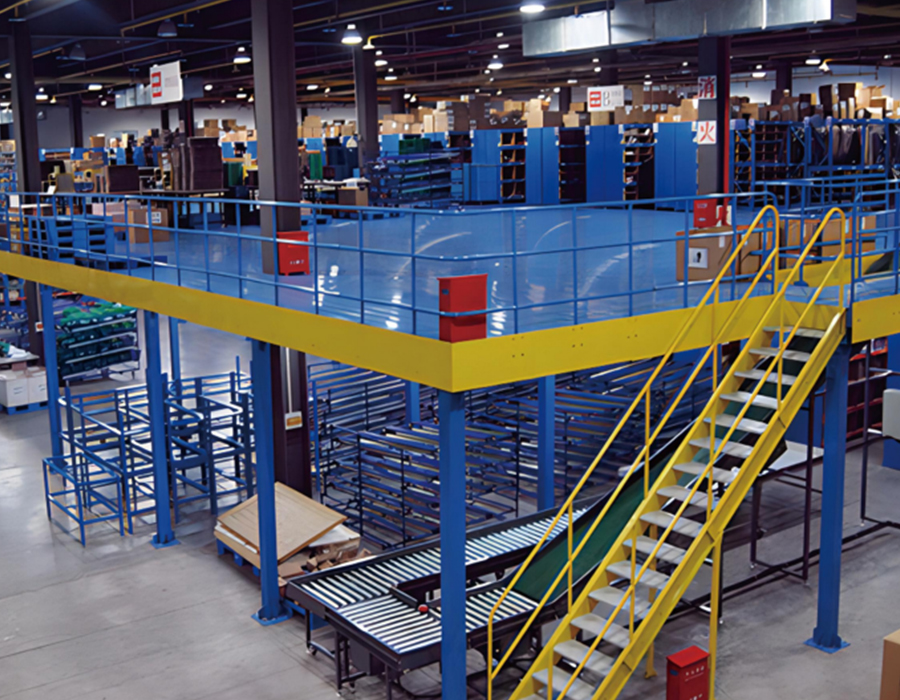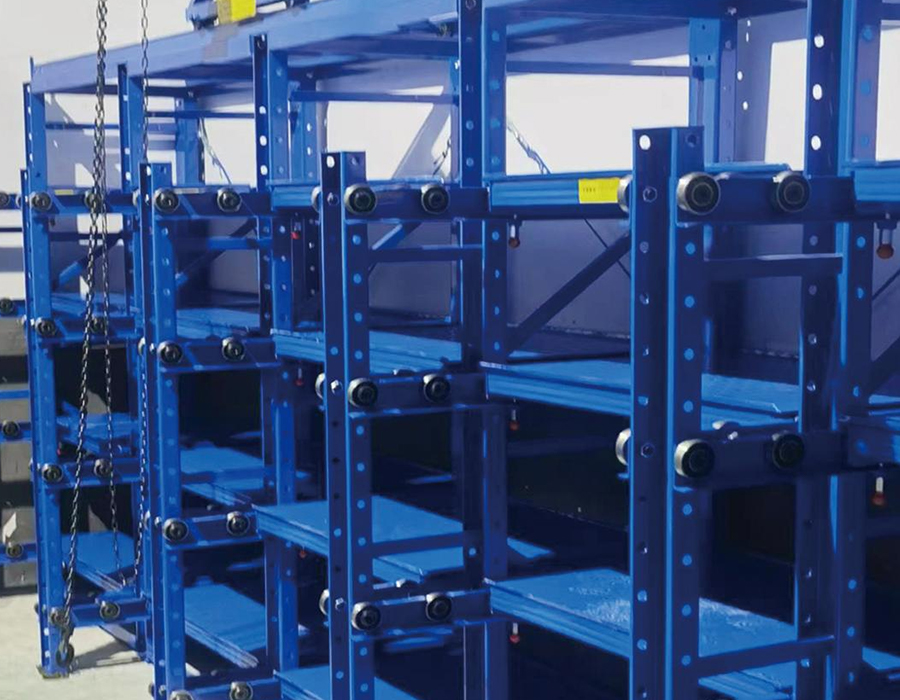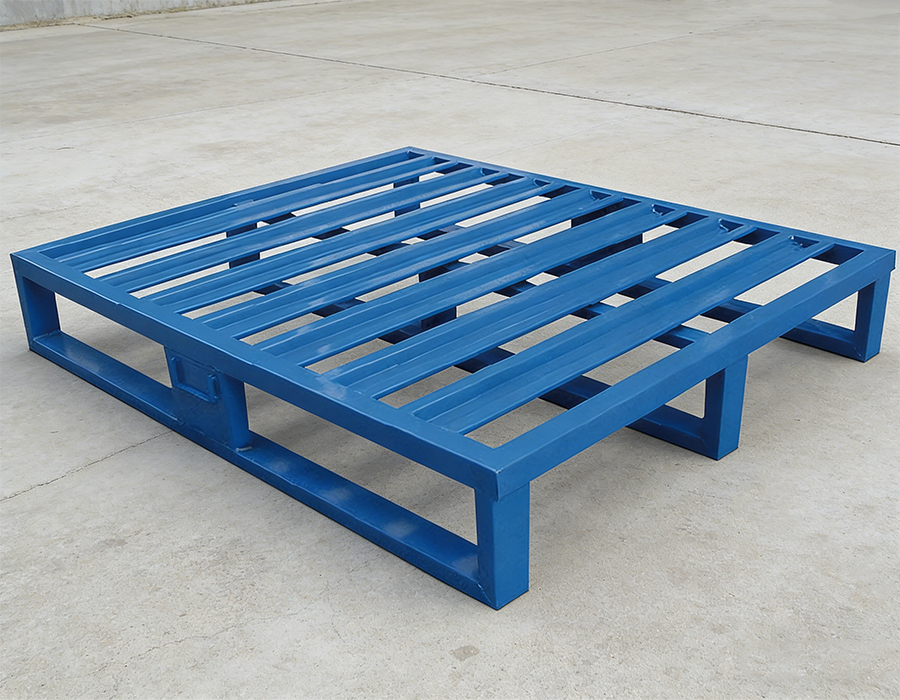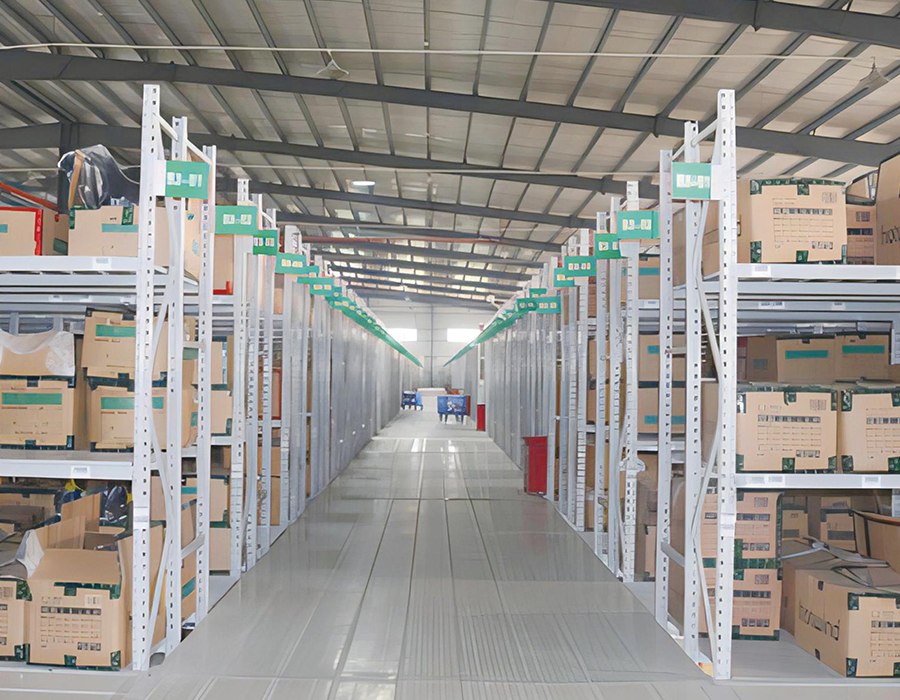
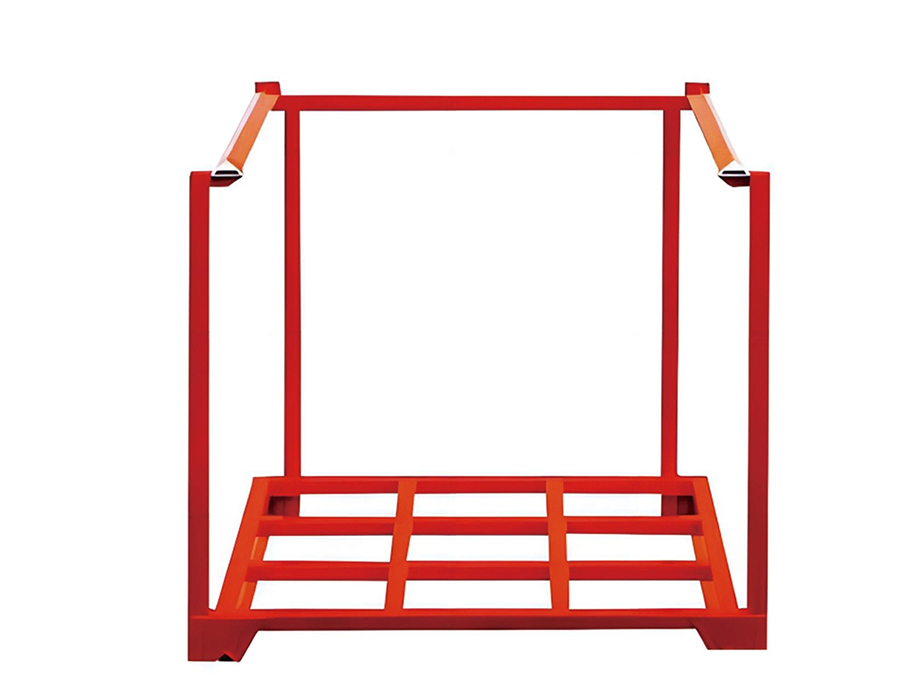
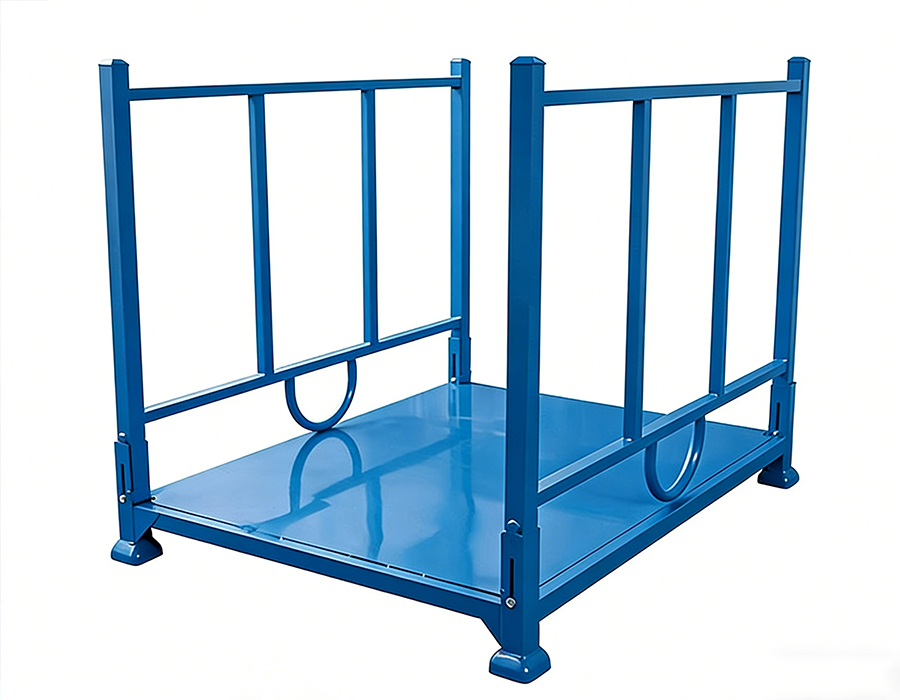
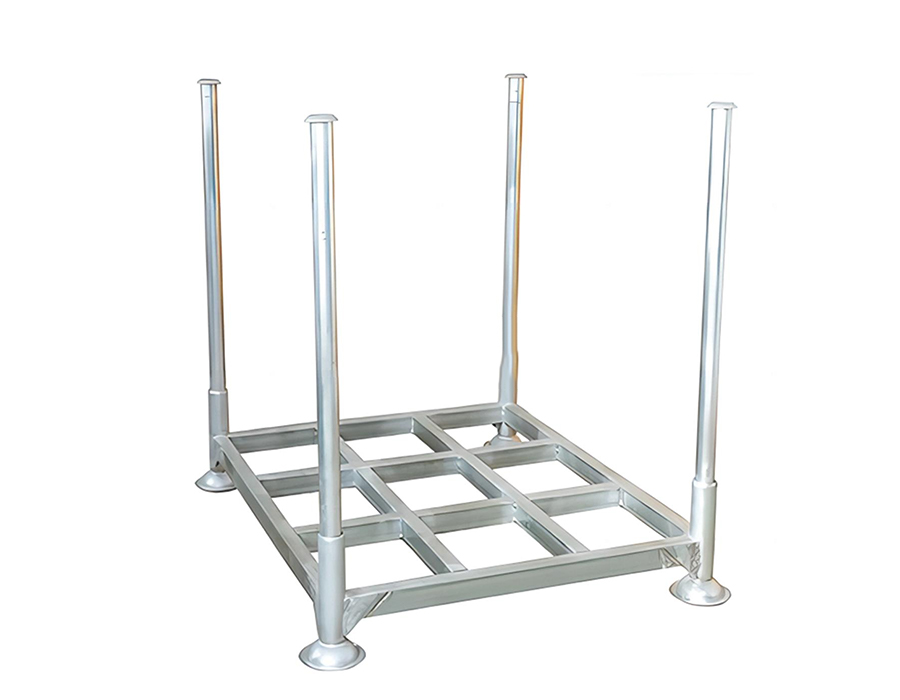
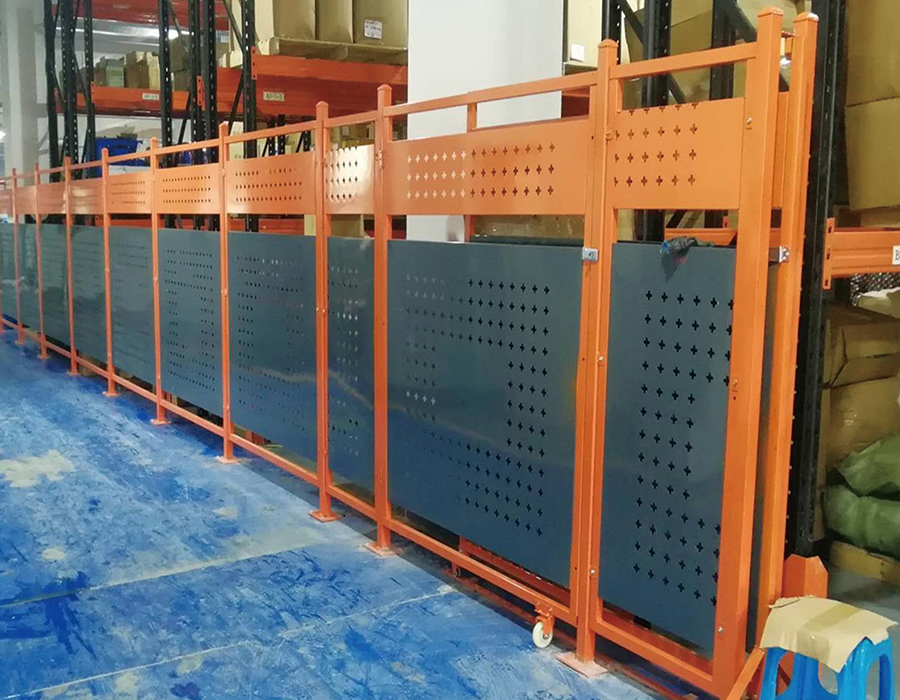
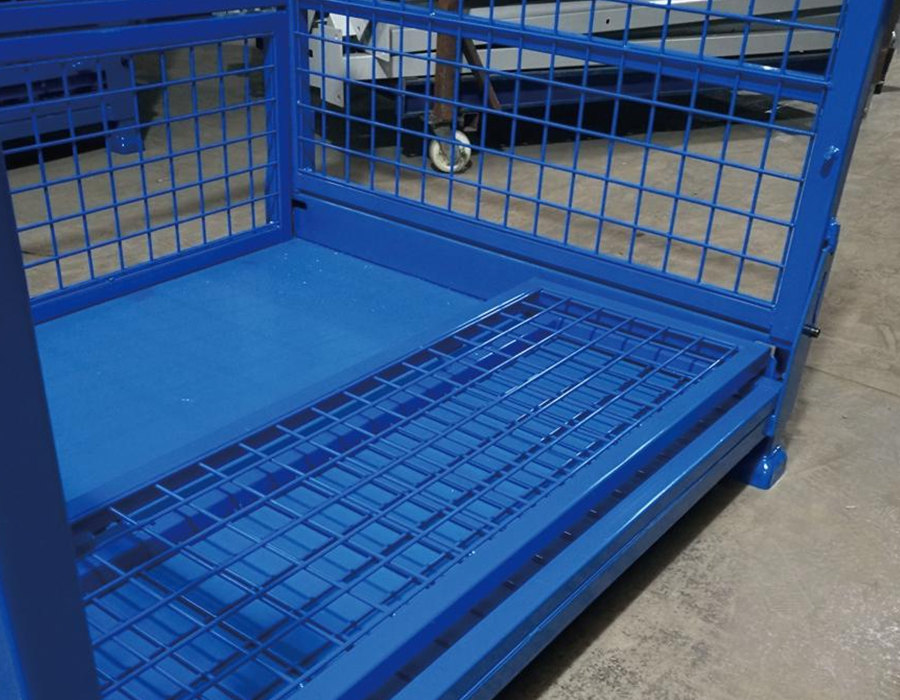
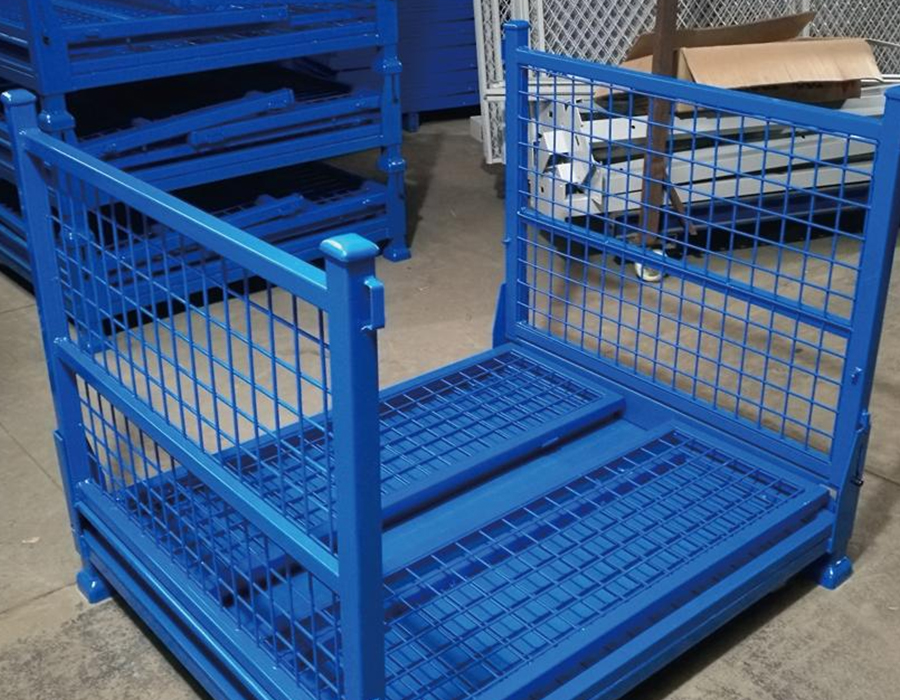
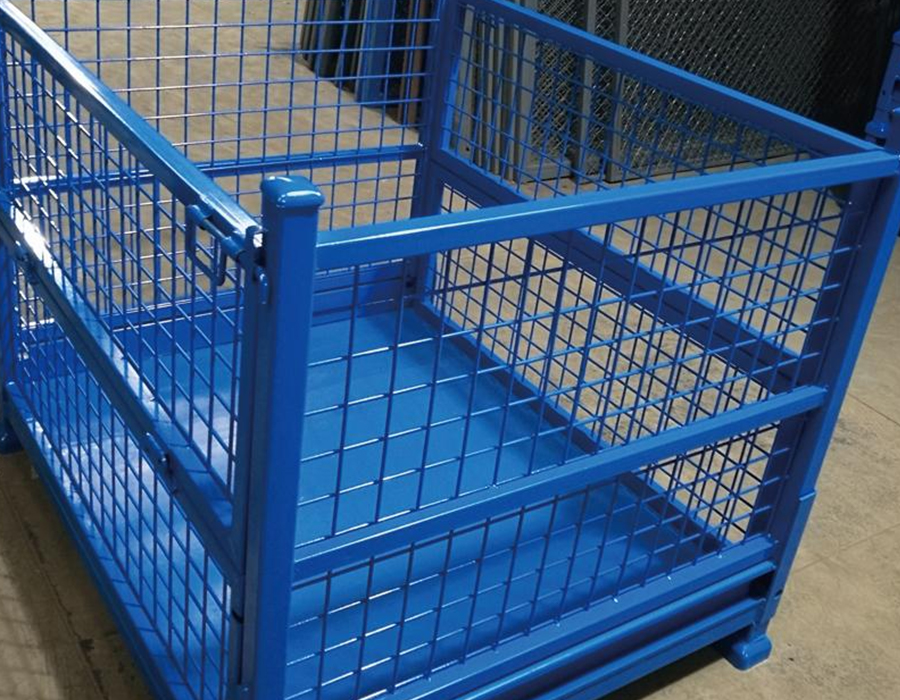
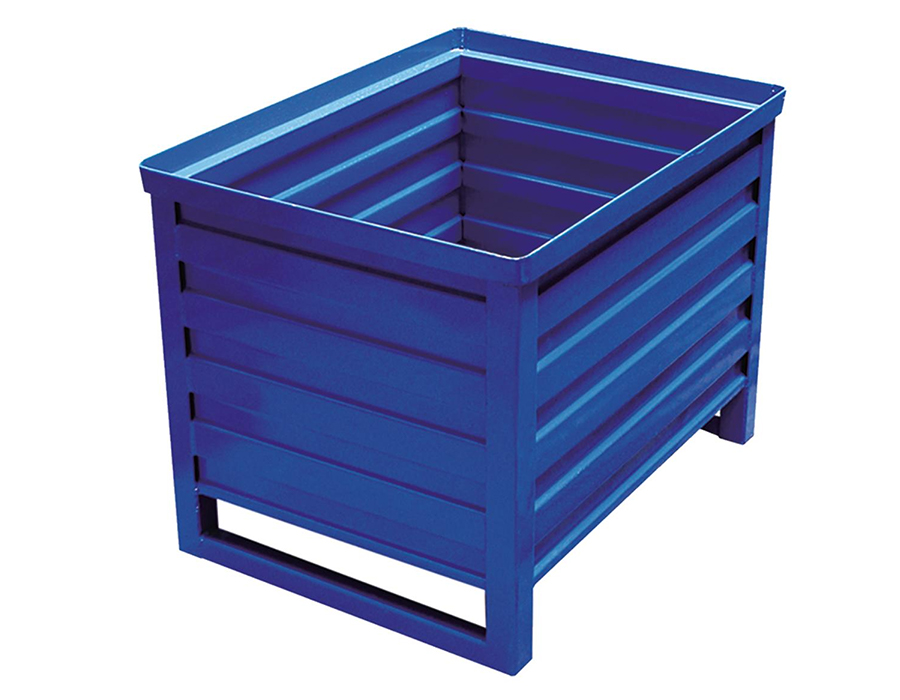
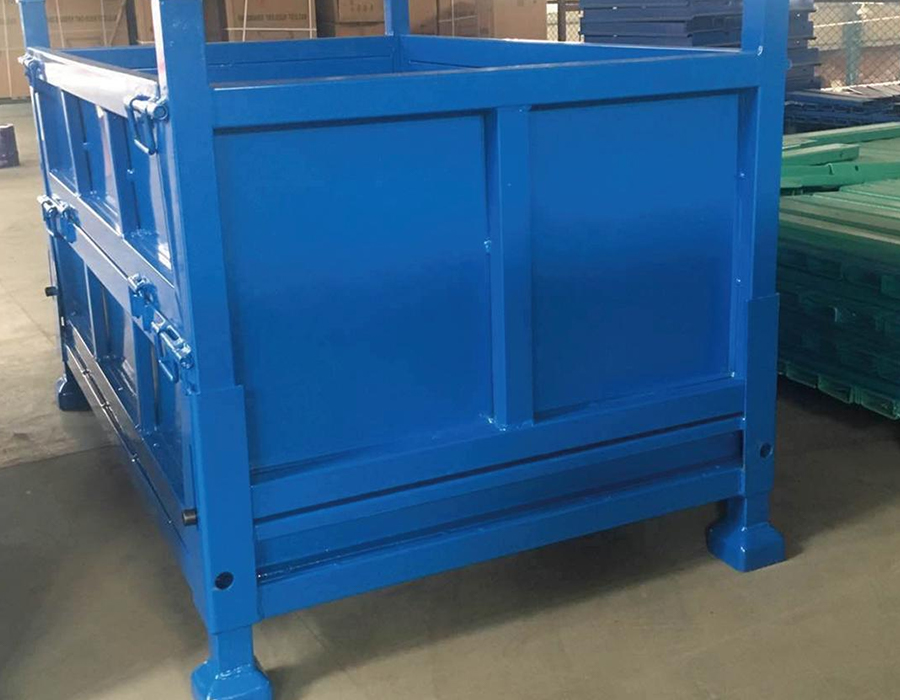
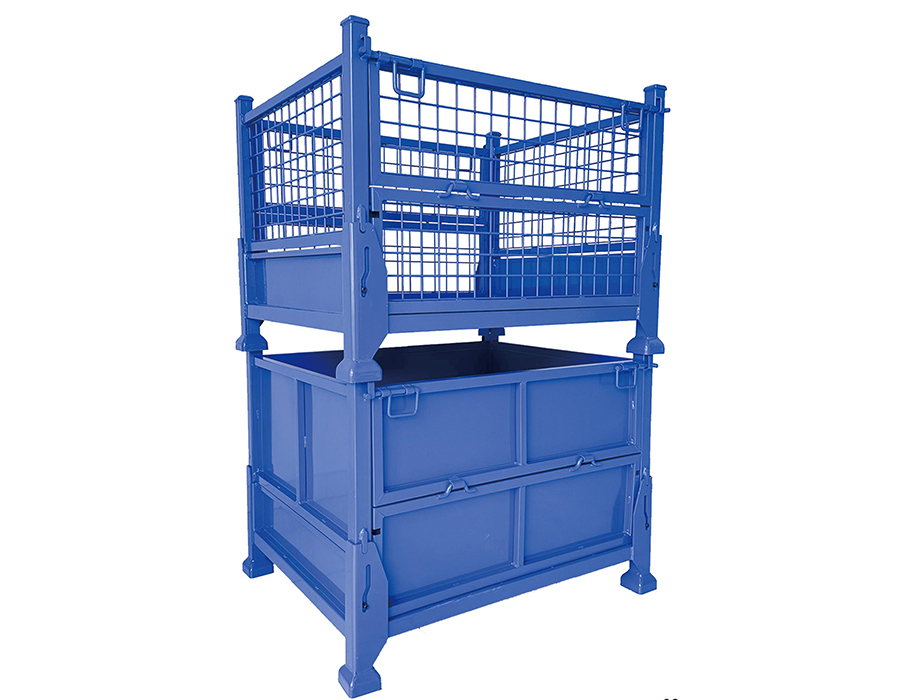
Anhui Huijian Intelligent Equipment Co., Ltd., located in Guangde, Anhui, is a premier specialist in the warehouse shelving industry. We are dedicated to providing high-quality workshop material racks and turnover baskets to help enterprises achieve standardized and intelligent warehouse management.
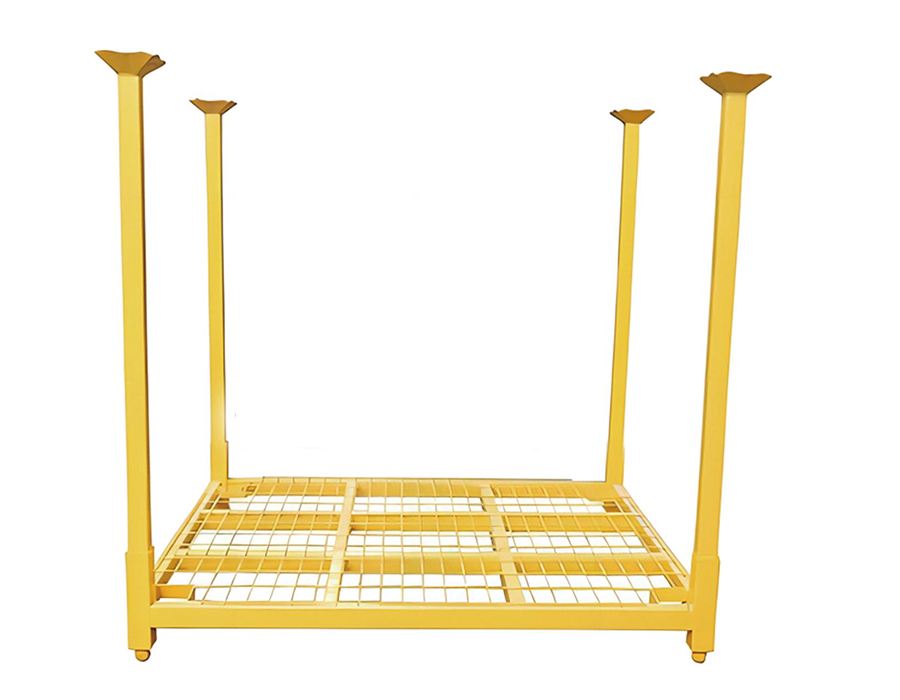
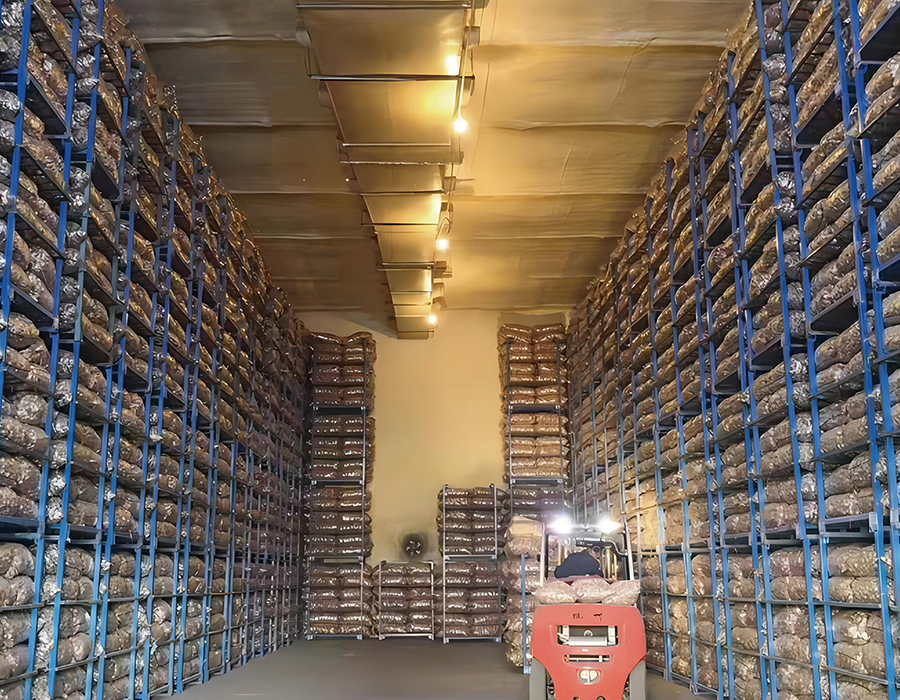
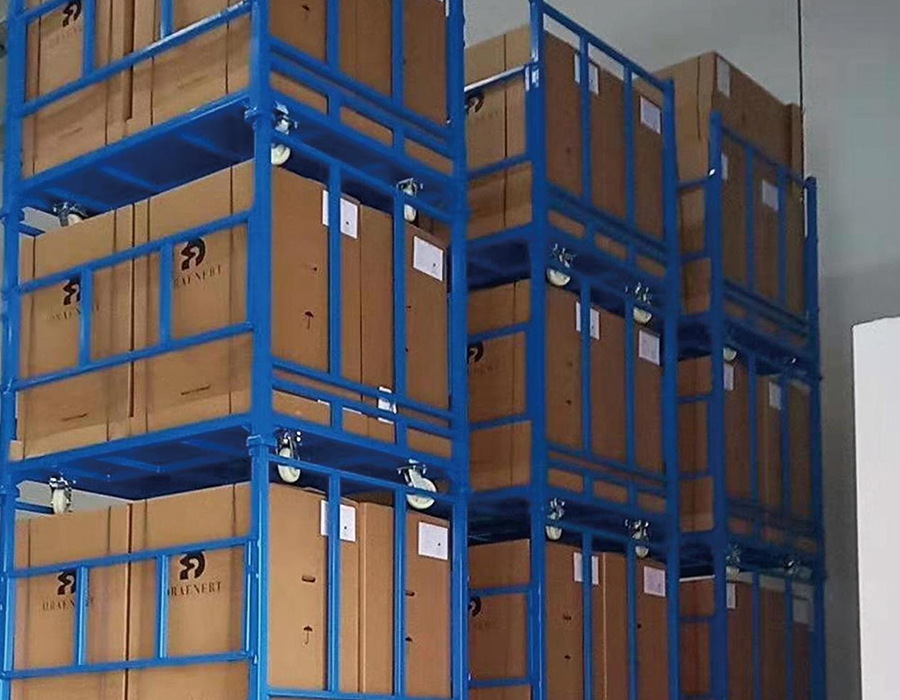
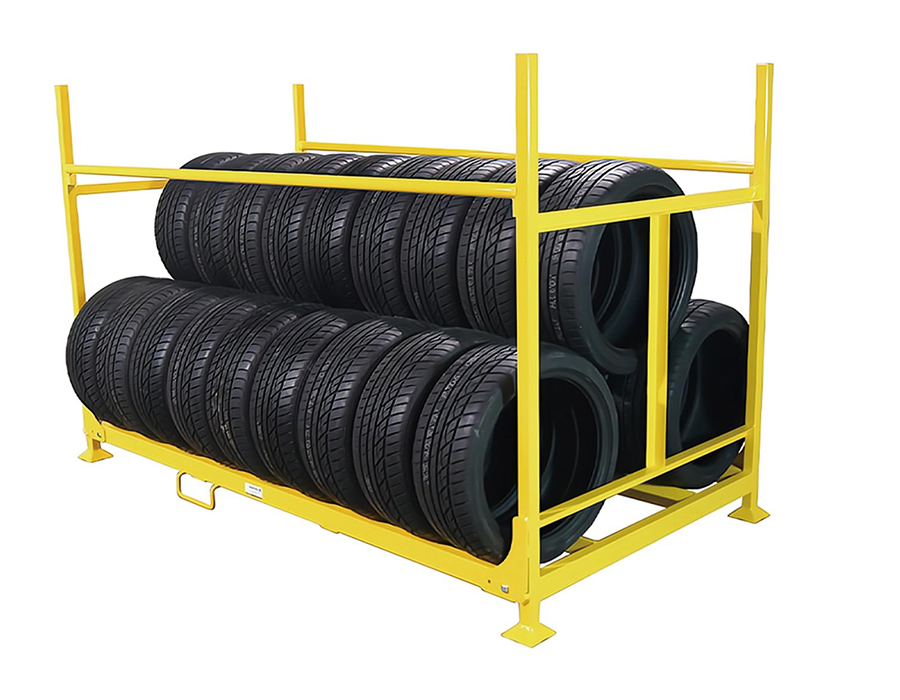
Our diverse product range includes cold storage stacking racks, foldable racks, in-tube stacking racks, and inverted grid racks, engineered for various industrial logistics and turnover needs. Featuring a fully assembled structure, our racks offer exceptional load-bearing capacity and corrosion resistance, with adjustable layer heights for maximum storage flexibility. Notably, the foldable and stackable designs allow for high-density storage when loaded and minimal space occupation when empty, effectively optimizing workshop floor space. Additionally, our workshop turnover baskets (available in mesh and plate styles) are compatible with forklift operations, significantly accelerating material flow on the production line.
With a 43,000 sqm production facility and 6 advanced production lines, Huijian Intelligent maintains an annual capacity of 180,000 sets. We strictly adhere to the ISO9001:2015 Quality Management System, ensuring rigorous control from raw material inspection to final output for guaranteed durability and stability. From initial planning and customized design to professional installation and after-sales maintenance, we provide a comprehensive one-stop technical service to support your business.

Picture a warehouse at the end of a shift: pallets of finished goods waiting in the receiving bay, ...
Read MoreWhen a forklift drops a full pallet onto a rack beam, the structure receives more than static weigh...
Read MoreAnhui Huijian Intelligent Equipment Co., Ltd. recently welcomed a delegation of representatives from...
Read MoreWhy Mould Racks Are a Core Workflow Tool In any production environment that relies on molds—injecti...
Read MoreWhat Is Light-Duty Boltless Shelving? Light-Duty Boltless Shelving is a type of storage rack designe...
Read MoreIndustrial workshop material storage racks serve a fundamentally different operational role than warehouse racking: they sit within or immediately adjacent to production lines, meaning access frequency, retrieval speed, and ergonomic reach directly affect output throughput rather than just storage efficiency. Selecting a rack typology based on load capacity and footprint alone — without modeling the material flow pattern the rack must support — results in storage configurations that technically hold the material but create handling friction that slows production cycles and increases operator fatigue.
The critical distinction is between static storage and dynamic flow. Materials with high-frequency withdrawal — fasteners, consumables, sub-assemblies staged for immediate use — require racks configured for single-motion retrieval with no repositioning of adjacent items. Gravity-fed flow racks, inclined bin systems, and open-face cantilever racks all address this requirement through different mechanisms: flow racks use inclined rollers to advance stock forward automatically after each pick; inclined bin systems use fixed-angle shelves that keep small parts visible and accessible at the front face; cantilever racks provide unobstructed lateral access to long bar stock, extrusions, or pipe without the need to maneuver around column obstructions. Materials with lower withdrawal frequency but high individual weight — raw castings, heavy tooling, bulk coil stock — are better served by flat-deck or drawer-type racks positioned near material handling equipment, where forklift or crane access takes priority over ergonomic reach considerations.
Workshop layout also determines whether rack access needs to be single-sided or double-sided. In production lines with operator stations on both sides of the storage rack, double-sided access — where the rack is open on both faces — dramatically increases the number of pick positions accessible from each station. Single-sided racks placed with their back against a wall recover floor depth but restrict access flow to one direction, creating bottlenecks when multiple operators need simultaneous access to adjacent materials. Identifying the access direction requirement before rack specification is complete prevents the common outcome of installing single-sided racks in positions where double-sided access was operationally essential.
Industrial workshops housing stamping presses, CNC machining centers, forging equipment, or high-speed assembly automation generate continuous and periodic vibration that transmits through the building structure into any storage rack anchored to or resting on the workshop floor. This vibration loading is entirely absent from standard rack load ratings — which are derived under static test conditions — yet it is present in every operating hour of a rack installed near production machinery, accumulating fatigue damage in welded connections and fastener joints that would be structurally sound under purely static service conditions.
The mechanism of vibration-induced rack damage concentrates at two locations: welded joints between shelf brackets and upright columns, and the anchor bolt connections at the rack base. Welded joints in standard workshop material storage racks are designed for static shear and tension loads; cyclic loading from vibration applies alternating stress that initiates fatigue cracks at weld toes — the geometric discontinuity at the edge of the weld bead where stress concentration is highest. Fatigue crack initiation at weld toes under cyclic loading requires stress amplitudes far below the material yield strength, meaning a connection that appears structurally adequate under static load can develop cracks after thousands of vibration cycles at stress levels that would never cause visible deformation in a single load application.
Practical countermeasures for racks installed in high-vibration workshop environments fall into two categories: isolation and reinforcement. Anti-vibration isolation pads — dense rubber or elastomeric composite mounts placed beneath rack base feet — attenuate the vibration amplitude transmitted from the floor into the rack structure by 40–70% depending on the pad stiffness and the dominant vibration frequency. Reinforcement measures include specifying full-penetration welds rather than fillet welds at bracket-to-column connections, adding gusset plates at high-stress joint locations, and using lock-washers or thread-locking compounds at all bolted connections that would otherwise loosen progressively under vibration. Inspection intervals for racks in high-vibration environments should be set at half the standard interval applicable to static warehouse installations, with particular attention to weld toe condition and anchor bolt torque retention.
The spatial relationship between an industrial workshop material storage rack and the operator's working position is a human factors engineering problem as much as a storage planning problem. Materials placed outside the operator's comfortable reach envelope — the three-dimensional zone reachable without excessive trunk bending, shoulder elevation, or lateral stepping — require postural adjustments that cumulatively contribute to musculoskeletal strain over a production shift. In high-repetition assembly operations where operators access rack storage dozens or hundreds of times per shift, the ergonomic quality of rack positioning has a measurable effect on both operator health outcomes and sustained production speed.
The ergonomic reach zones relevant to workshop rack positioning are defined relative to the operator's standing position and normal working height. For a standing operator of average stature:
Workshop material storage racks are often installed at heights that maximize storage volume per footprint without reference to these zones — stacking materials to 2,000mm or 2,200mm height to recover vertical space. This is appropriate for infrequently accessed archive or buffer stock, but it is a counterproductive design choice for materials accessed multiple times per shift. Limiting active-pick rack heights to 1,600mm and accepting the reduced storage density per footprint is a legitimate ergonomic engineering trade-off where high-repetition access is the governing operational requirement.
Cantilever racking is the appropriate structural solution for storing long bar stock, extrusions, pipes, sheet metal, timber, and other materials whose length makes them incompatible with standard bay-and-beam racking. The mechanics of cantilever storage — where horizontal arms project from a central vertical column without cross-beams obstructing the full length of the storage zone — eliminate the handling constraints that arise when long materials must be threaded past vertical obstructions during loading and retrieval. However, the structural behavior of cantilever arms under load is more complex than standard shelf-and-beam arrangements, and misspecification of arm length, arm capacity, or column section leads to deflection, column overturning, or base connection failure more readily than equivalent errors in conventional racking.
The governing structural action in a cantilever rack arm is bending rather than shear or compression. A cantilever arm loaded at its tip generates a bending moment at the arm-to-column connection equal to the product of the arm load and the arm length — a relationship that means doubling the arm length quadruples the required connection strength for the same load, not doubles it. Long arms carrying heavy materials therefore impose very large moments at the column connection, which must be resisted by the arm bracket weld and the column section simultaneously. Column sections for heavy-duty workshop cantilever racks typically use I-sections or C-channels oriented with their strong axis in the plane of the arm loading — oriented incorrectly, the same column section can have as little as one-quarter of the strong-axis bending resistance.
Column base design for cantilever racks must account for overturning moments that are uniquely large relative to the rack's plan footprint. Unlike bay racking where columns are loaded primarily in compression, cantilever columns experience significant bending at the base due to the moment transferred from loaded arms. This base moment creates an uplift force on the tension-side base anchor that can exceed the compressive column load in magnitude when arms are heavily loaded and long. Base plates for cantilever racks must be sized and anchored to resist this uplift force, not merely the compressive footprint load — a distinction that is routinely missed in generic specifications that adapt standard rack base anchor details to cantilever applications.
Lean manufacturing pull systems — kanban, two-bin replenishment, and min-max inventory control — impose specific physical requirements on workshop material storage racks that standard catalogue configurations rarely satisfy without modification. The core requirement of a pull system is that the storage rack makes the inventory status visible and actionable without active counting or system queries: an operator looking at the rack should be able to determine immediately whether stock is adequate, approaching reorder level, or depleted, and trigger replenishment through a physical signal — a card, an empty bin, or a visual marker — without interrupting the production task.
Flow-through racks — inclined roller or wheel track systems where new stock is loaded from the rear and picked from the front — are the most effective physical infrastructure for two-bin and FIFO kanban systems. When the front-position bin is emptied, it is removed to trigger replenishment, and the rear bin rolls forward to become the active pick position. The rack physically enforces FIFO rotation without operator discipline or labeling: stock enters from one face and exits from the other in the sequence it was loaded. This automatic sequencing is particularly valuable in workshop environments storing materials with shelf lives, cure times, or batch traceability requirements — adhesives, lubricants, coatings, and consumables where using oldest stock first is a quality assurance requirement, not just an inventory preference.
For heavier workshop materials that cannot be managed through gravity flow, two-bin replenishment is implemented using side-by-side rack positions of equal capacity, with a visual divider and a kanban card holder mounted at the front face of each position. When the active position is depleted, the kanban card is physically removed and sent to the supply point — either the main warehouse or an external supplier — while the operator shifts to the second position. The rack design requirement is that both positions are equally accessible from the operator's working side, the divider between positions is clearly visible and permanent rather than a movable label, and the kanban card holder is positioned so that a full card is visible from the aisle without approaching the rack face. Our industrial workshop material storage racks are available with integrated kanban card holders and color-zone markers as standard configuration options, developed in response to the lean manufacturing requirements of automotive and electronics production customers across our East China customer base.
Workshop floors are more dynamically active than warehouse storage areas — forklifts, automated guided vehicles (AGVs), overhead cranes, and manually propelled carts all operate in close proximity to storage racks, and the combined effects of floor vibration, accidental impact, and air pressure waves from rapid vehicle movement create destabilizing forces on freestanding racks that are absent or minimal in static warehouse environments. Anti-tipping protection for industrial workshop material storage racks must therefore address a broader range of destabilizing load cases than standard warehouse rack anchorage specifications contemplate.
The most reliable anti-tipping measure is direct floor anchorage through correctly specified anchor bolts — this eliminates tipping risk by providing positive mechanical restraint rather than relying on rack self-weight and base friction. However, workshop floor conditions often complicate direct anchorage: concrete slabs may contain embedded service conduits, heating elements, or reinforcement patterns that restrict anchor placement; epoxy-coated or chemically treated floors may prohibit drilling; and workshop layouts that require frequent rack repositioning make permanent anchors operationally impractical. Where direct anchoring is not feasible, alternative strategies must be combined to achieve equivalent stability:
Industrial Workshop Material Storage Racks routinely store materials subject to regulatory controls — flammable solvents, compressed gases, reactive chemicals, controlled substances used in surface treatment processes, and materials with defined separation requirements under fire codes or transport regulations. The physical configuration of workshop material storage racks in areas containing these materials must satisfy not only load and access requirements but spatial separation distances, containment provisions, and ventilation requirements that are determined by the specific hazard classification of each stored material, not by general storage practice.
Flammable liquid storage in workshop racks presents the most common compliance challenge. Many facilities store small quantities of flammable cleaning solvents, lubricants, or adhesives on standard open-shelf workshop racks adjacent to production equipment, treating them as ordinary consumables. This practice is frequently non-compliant with fire codes that mandate segregation of flammable liquids from ignition sources, containment of spillage through bunded trays or dedicated storage cabinets, and quantitative limits on the volume of flammable material that can be stored in the open production area. Rack configurations for compliant flammable liquid storage must incorporate secondary containment capacity — bunded steel trays beneath each shelf level with a retention volume of at least 110% of the largest container on that shelf — and must be positioned at the minimum separation distance from heat sources, electrical panels, and ignition-producing equipment specified by the applicable fire standard.
Compressed gas cylinder storage on workshop racks requires dedicated cylinder restraint systems — not simply placing cylinders on a shelf with a rope tied across the front. Cylinders stored vertically must be individually restrained by a chain, strap, or bar at two-thirds of cylinder height, secured to a fixed structural member of the rack capable of resisting the lateral overturning force of a cylinder falling. Cylinders stored horizontally require cradle supports that prevent rolling and maintain the valve protection cap accessible for inspection. Mixed storage of oxidizers and flammables in the same rack — even in separate shelf positions — is prohibited under most fire and safety codes and requires physical separation by either a 3-meter clear distance or a 30-minute fire-rated partition.
Manufacturing processes subject to quality management systems — ISO 9001, IATF 16949, AS9100, and similar standards — impose material traceability requirements that extend directly into the physical design and layout of workshop material storage racks. The storage system must support unambiguous material identification, lot or batch segregation, quarantine separation, and first-in-first-out rotation in a way that is verifiable through audit without requiring operators to query a computer system at each material withdrawal. Rack configurations that do not physically enforce these requirements rely on operator compliance with labeling and placement disciplines — a reliability mode that consistently produces traceability failures under production pressure.
Batch segregation is the most physically demanding traceability requirement for rack design. When two batches of the same material with different lot numbers, heat codes, or certification dates must be stored simultaneously, the rack must provide physically distinct storage locations — not adjacent positions on the same shelf separated only by a label — and must prevent inadvertent mixing during withdrawal. Dedicated shelf levels per batch, separated by visible physical dividers with integrated label holders, are the minimum adequate configuration. Ideally, each batch occupies a physically bounded zone — an individual shelf compartment with full-height side barriers — so that a withdrawn quantity can only come from one identifiable batch regardless of operator attention level.
Quarantine rack design requires that non-conforming or suspect materials be stored in a location that is physically impossible to access through normal production withdrawal workflows. A quarantine rack positioned adjacent to the standard production material rack, distinguished only by a red label or tape marking, is a traceability risk in any environment where production pressure creates shortcuts. Effective quarantine storage uses physical access control — a lockable rack enclosure, a separate room, or at minimum a clearly distinct physical zone separated from the production storage area by a visible boundary marker that cannot be crossed without a deliberate action. At Huijian, we design industrial workshop material storage racks with dedicated quarantine compartment options — lockable sections integrated into the main rack structure — precisely because the traceability systems our manufacturing customers operate require this level of physical enforcement, not just labeling discipline. Our 1,500-square-meter R&D center enables us to develop application-specific configurations that address these operational requirements as engineered solutions rather than field modifications.
Our Professional Team
Is Ready to Support You.


 Industrial Workshop Material Storage Racks Suppliers




 English
 Español