 2026.10.26
 Industry News
Walk into a workshop where every fitting, tool, and half-finished assembly has a place, and the difference is obvious. People move faster. Floors stay clearer. Fewer things get lost, damaged, or ordered twice. Industrial workshop material storage racks are not just background furniture; they are part of how work flows from one bench to the next. The trick is choosing racks that match the real weight, size, and handling rhythm of your operation, not just the floor space you have available.
Content
A rack that is too light gets overloaded. One that is too heavy can be awkward and expensive. A pallet rack in a hand-picking zone slows people down; a light shelf in a heavy casting area becomes a safety concern. The right choice starts with a simple walk through the workshop and an honest look at what is being stored. From there, you can narrow the field quickly, compare load ratings, and plan a layout that leaves room for people, carts, and future growth.
Most workshops end up using a mix rather than one single system. The useful question is not which rack is best, but which rack is best for this group of items.
Boltless shelving is the workhorse of many production areas. The beams and uprights slot together without bolts, so installation is straightforward and shelf levels can be adjusted as stock changes. Light-duty units are handy for small components, packaging, and fast-moving consumables. Medium-duty shelving suits tooling, fixtures, and boxed parts. Heavy-duty boltless shelving can take denser loads while still allowing direct access by hand. For workshop material storage, this flexibility is often more valuable than a single high load rating.
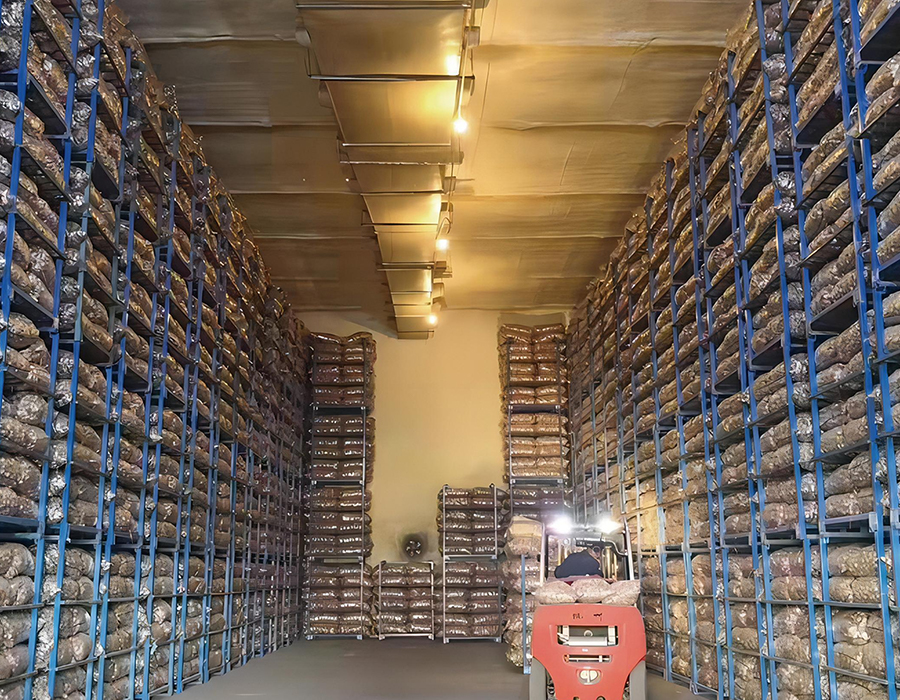
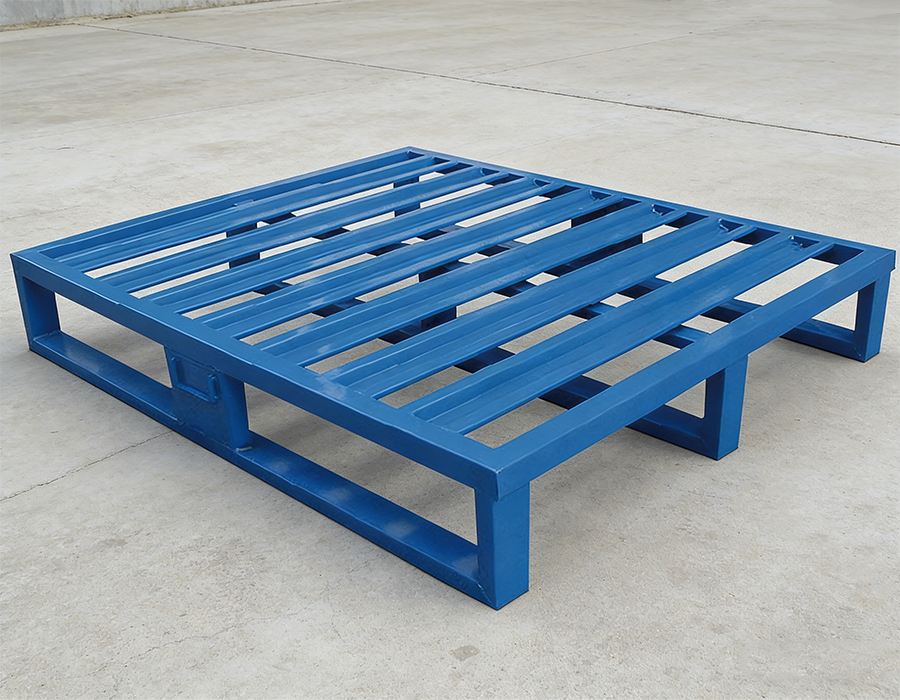
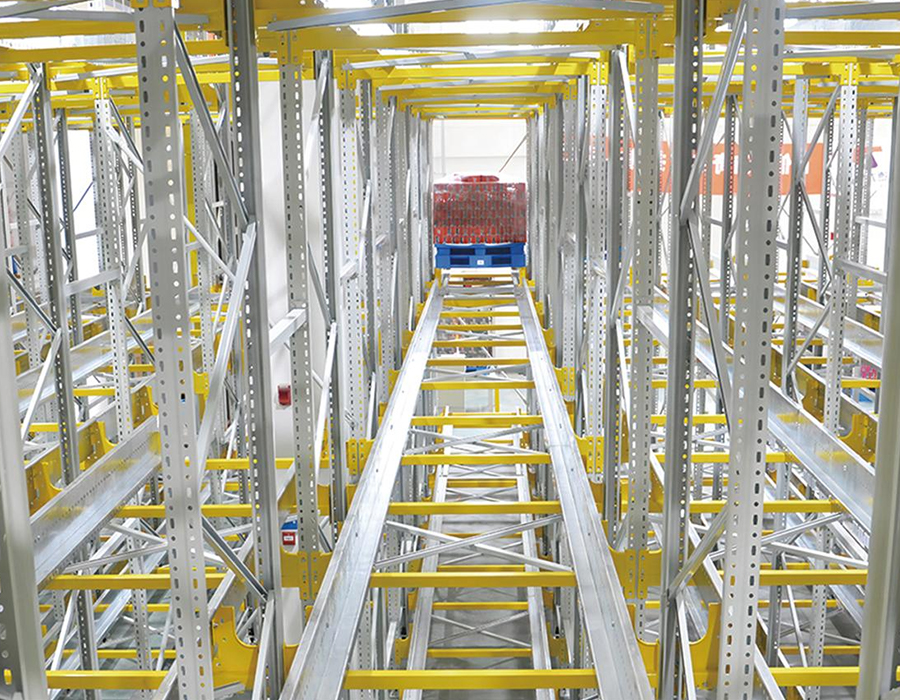
When materials arrive on pallets and stay on pallets, pallet racking is usually the better fit. It is designed around beams, uprights, and safe working loads, and it lets forklifts or stackers move whole pallets in and out without breaking down the load. This is common in raw material stores, finished goods areas, and workshops that hold bulky components. The key is to plan beam levels around the actual pallet heights and to leave enough clearance for lifting equipment.
Molds, dies, and precision tooling need more protection than an open shelf can give. Drawer-type mold and tooling racks keep heavy items enclosed, reduce dust, and make retrieval more controlled. Because each drawer carries a defined load, they also encourage a disciplined one-item-per-position approach. That is especially useful where tooling is valuable, heavy, or needed at short notice.
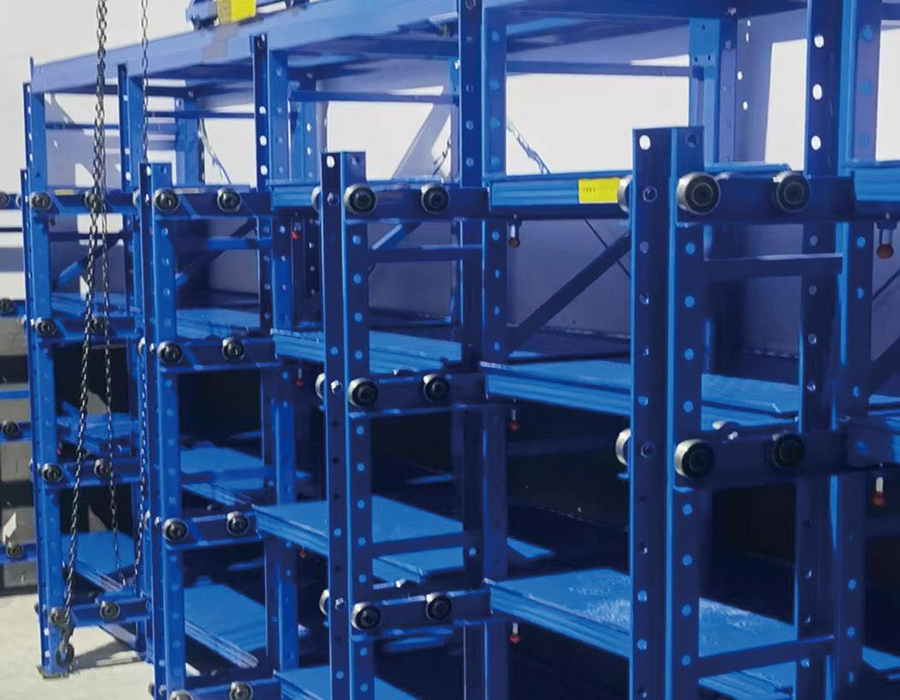 Drawer-Type Mold and Tooling RackHeavy-duty drawer rack protects molds and precision tooling, offering controlled retrieval, safety locks, and per-drawer capacities up to 3,000 kg.View Product →
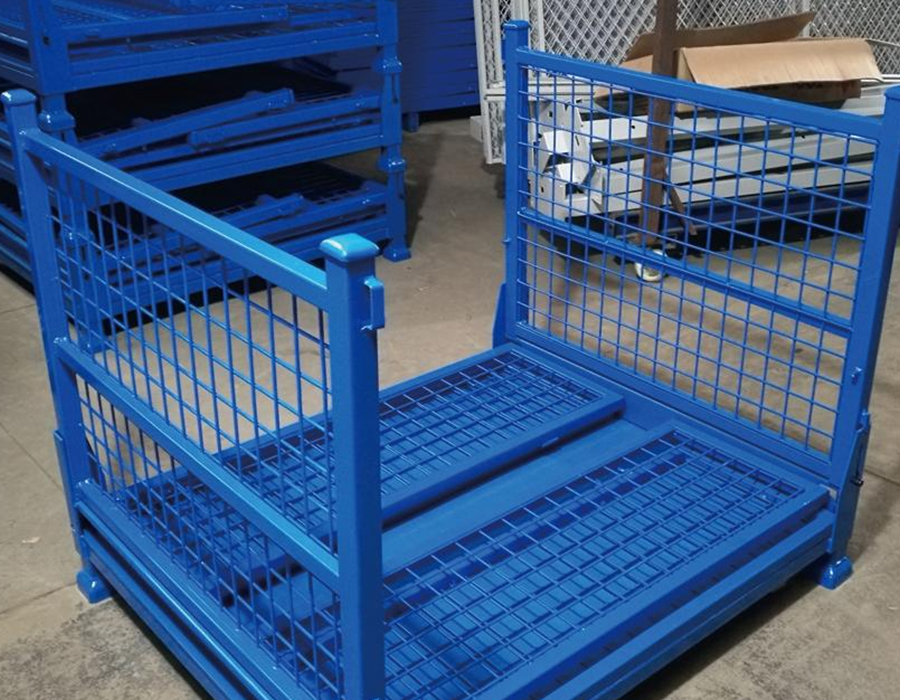
For general workshop storage, a dedicated material rack can bridge the gap between simple shelving and full pallet racking. These units are typically arranged to hold cartons, bins, fixtures, and work-in-progress in a way that keeps labels visible and access easy. If your workshop handles a mix of hand-picked items and heavier parts, this is often the most practical starting point.
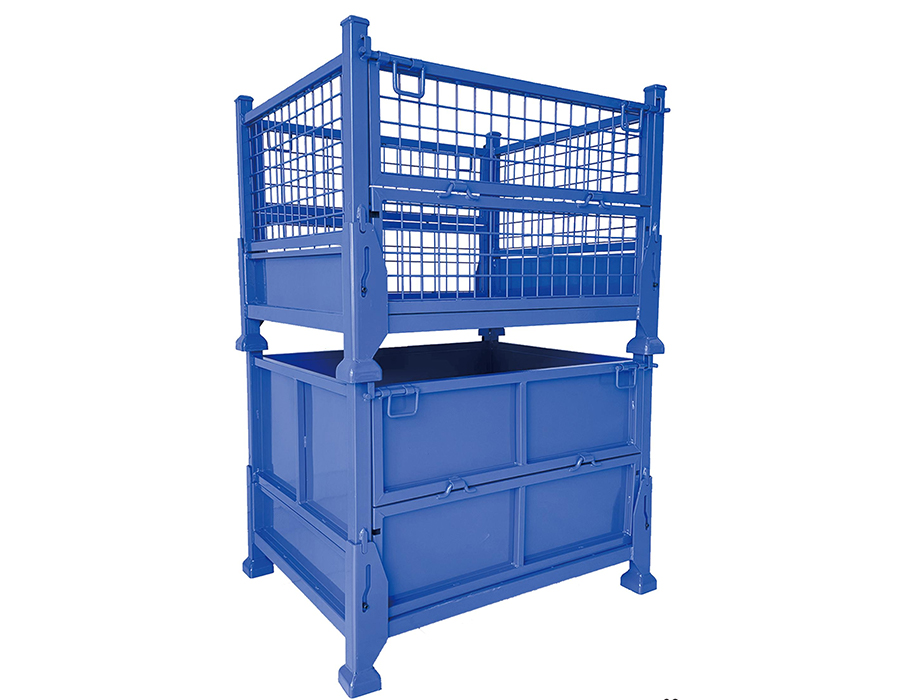 Industrial Workshop Material and Turnover RacksStackable, foldable workshop racks and turnover baskets support organized material flow, adjustable storage, and high-density use in production areas.View Product →
Load capacity is where good intentions often meet reality. A shelf rated at 150 kg per layer is not a failure if it holds 120 kg of small components. It is a problem if someone stores 300 kg of steel bar on it because the shelf happened to be empty. Use the manufacturer's per-layer figure as an upper limit, then subtract a sensible margin for uneven loading, wear, and the way items are actually placed.
| Rack type | Typical load guide | Good fit for | Handling style |
|---|---|---|---|
| Light-duty boltless shelving | 150 kg per layer | Small parts, cartons, consumables | Hand picking |
| Medium-duty boltless shelving | 500 kg per layer | Tooling, fixtures, boxed components | Hand picking and carts |
| Heavy-duty boltless shelving | 800 kg per layer | Dense parts, heavy cartons, workshop materials | Hand picking and pallet trucks in some layouts |
| Pallet racking | Set by bay design and beam level | Palletised raw materials and finished goods | Forklift or stacker |
In practice, the most useful comparison is not just weight. Ask how the item arrives, how often it moves, and who will reach for it. A 500 kg medium-duty shelf may be perfect for a busy assembly area, while a 150 kg light-duty unit is easier to reposition and better suited to small, changing stock.
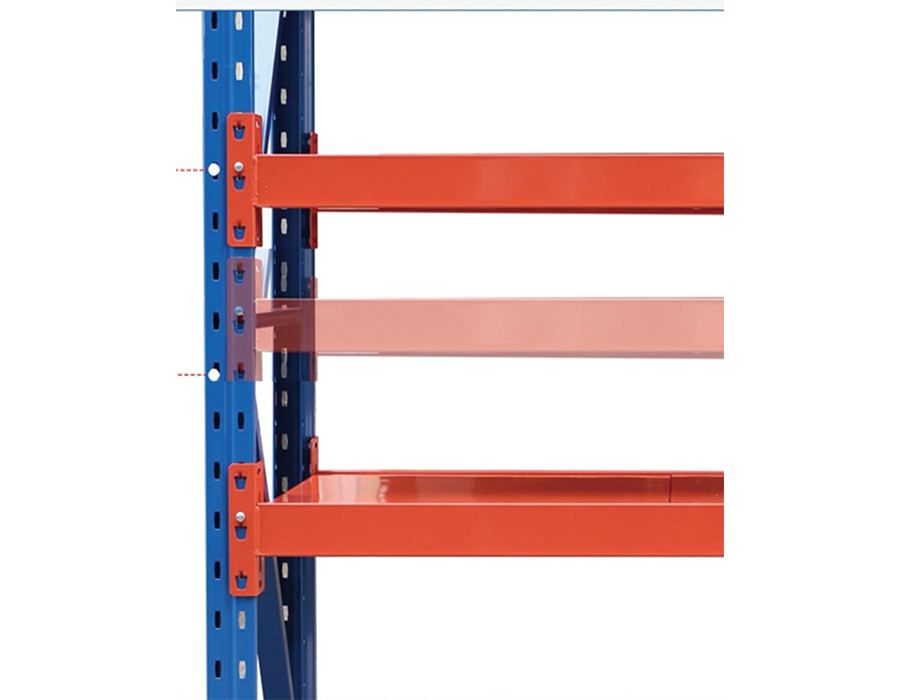 Medium-Duty Boltless Shelving for Workshop StorageReinforced, tool-free shelving with adjustable heights and 500–800 kg per layer, suited to changing medium-load workshop stock.View Product →
Layout decides whether a good rack performs well or becomes an obstacle. Start by mapping movement: where materials arrive, where they are checked, where they are used, and where waste or empty containers leave. Racks should shorten those trips, not add to them.
Store the items used every hour nearest to the bench or cell where they are needed. Slow-moving or bulky stock can live further away. This simple rule often frees up more time than buying additional racking.
Aisle width should match the largest thing that regularly passes through: a cart, a pallet truck, a forklift, or simply two people carrying a long component. Leave turning space at corners and avoid squeezing racking into every last metre. A slightly smaller storage footprint with a clear aisle usually beats a crowded area that slows every pick.
Keep heavy items low. Group similar items so labels and sizes are easy to scan. Separate dusty or oily parts from clean components. If something is awkward, sharp, or unstable, give it a dedicated position rather than forcing it onto a general shelf.
Vertical space is valuable, but the top level should still be reachable with the equipment you actually have. If a stepladder is needed, make sure there is room to use it safely. For very tall workshops, a mezzanine or steel platform can add a second working level, but it needs proper design, access, and loading limits.
Storage racks are structures, not furniture. They need to be installed correctly, loaded within their limits, and inspected regularly. A few habits make a real difference.
A short monthly inspection is usually enough to catch loose bolts, minor impacts, and overloaded shelves before they cause trouble. If a rack has been hit by a forklift or loaded beyond its rating, take it out of use until it has been checked.
Before you request a quote, gather a few facts. They will make the conversation faster and the final layout more accurate.
If you want a deeper walkthrough, our practical buying guide covers more of the planning questions we hear from workshop teams.
Good storage does not need to be complicated. It needs to fit the work. When racks are matched to loads, placed around real movement, and checked with a little discipline, a workshop becomes calmer and more productive. At Huijian, we manufacture shelving and racking from our base in Guangde, and we have seen how much difference a well-planned layout makes. If you are planning a change, start with the items that cause the most daily friction. That is usually where the biggest gain is waiting.
Visit our Yiwu showroom:
No. 983-985, Chouzhou North Road, Yiwu, Zhejiang, China
Bring your project details:
WeChat ID: Patrick01. Search this ID in WeChat to add us directly.
Our Professional Team
Is Ready to Support You.


 Warehouse Storage Racks Manufacturers






 English
 Español