 2026.10.19
 Industry News
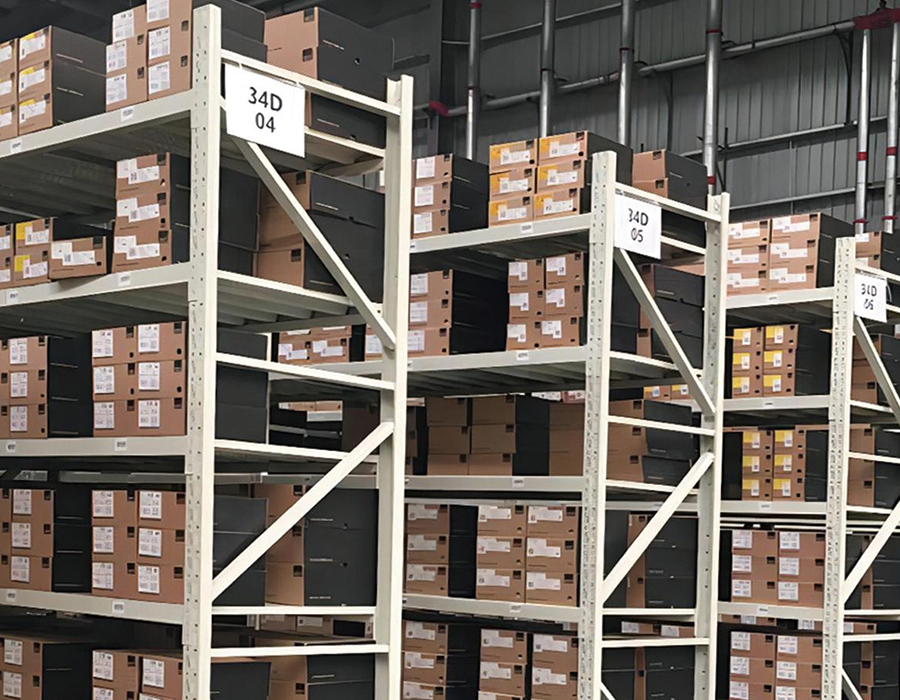
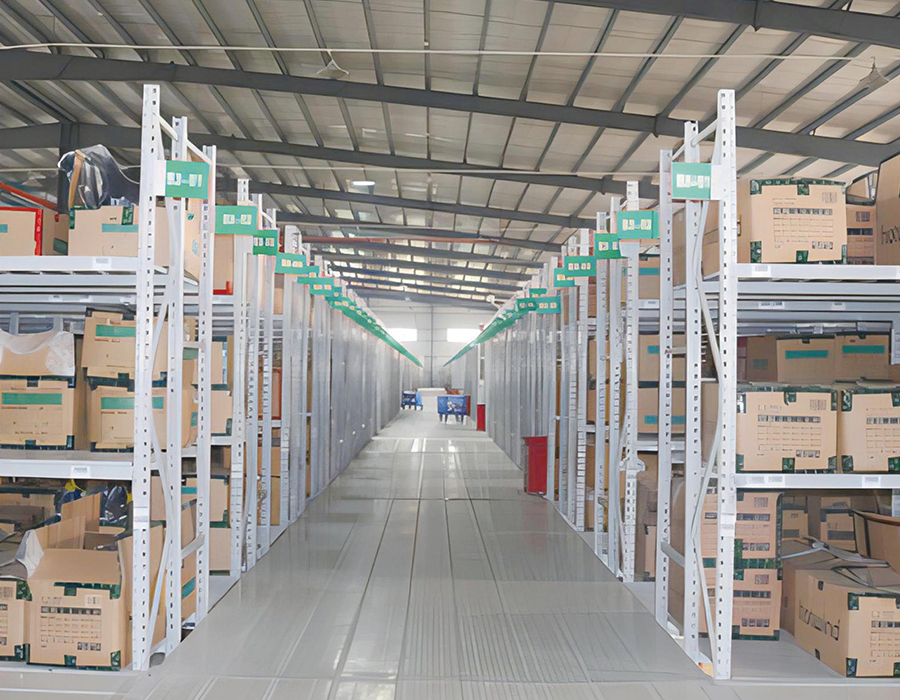
Walk through almost any factory store room and you can usually tell within a minute whether the shelving was chosen carefully. The good installations look almost boring: uprights in a straight line, beams set at sensible heights, boxes that fit the shelf instead of hanging over the edge. Industrial medium-duty boltless shelving is very often the product behind that quiet efficiency. It is heavy enough to hold real stock, light enough that two people can move a unit or change a shelf height without calling in a specialist crew, and simple enough that the people who actually use it can keep it tidy.
We have been building shelving in Guangde for years, and most of the questions we get are not about steel thickness. They are about levels, loads, decking and whether a unit will still be standing straight after two years of daily use. This guide answers those questions in plain language.
Content
Medium-duty is a broad label, and suppliers apply it loosely. In our catalogue it describes a specific load class: a boltless shelf unit rated at roughly 500 kg per level. That rating refers to a uniformly distributed load on a properly assembled unit standing on a level floor — not to a single heavy item dropped in the middle of a panel.
The word "boltless" describes the assembly method, not the strength. Uprights are punched with a keyhole slot pattern, and the beams carry rivets or tabs that drop into those slots and lock when tapped home with a rubber mallet. There are no nuts, bolts or tools, which is why a unit can be built in minutes and re-configured later without a fitter.
| Load class | Typical capacity per level | What it usually holds | Handling pattern |
|---|---|---|---|
| Light-duty | 150 kg | Cartons, small components, consumables | Hand picking |
| Medium-duty | 500 kg | Boxed goods, tooling, dense spare parts, archive files | Hand picking, pallet truck at floor level |
| Heavy-duty | 800 kg | Heavy components, moulds, bulk containers | Pallet truck, occasional forklift |
If most of your stock is carried in by hand and stored in boxes or bins, the 500 kg class is usually the sweet spot. It gives you headroom for dense loads without the extra weight and cost of a heavy-duty frame.
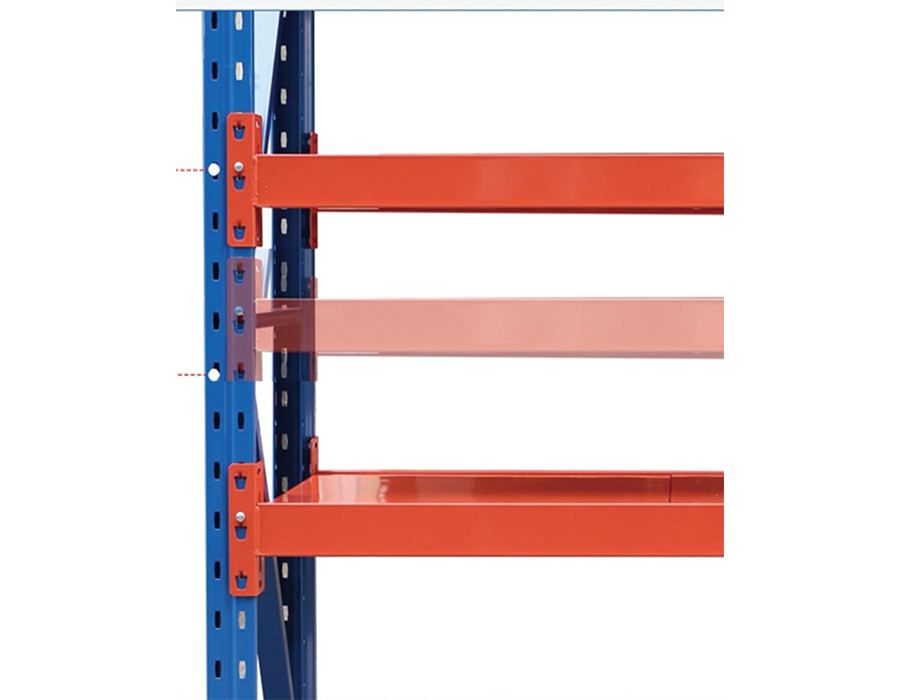 Medium-Duty Boltless Shelving for 500–800 kg LoadsA 500–800 kg-per-layer boltless shelving option for boxed stock and bins, with adjustable shelf heights and tool-free assembly.View Product →
Assembly follows a fixed sequence, and the sequence matters. Lay the uprights flat, engage the lowest beam first to square the frame, then work upwards. A frame that is assembled from the top down almost always ends up twisted, and a twisted frame never quite sits flat on the floor.
Beams engage the same slot pattern on both uprights, so shelf levels move in predictable increments rather than arbitrary heights. That is useful later: when a product line changes and the boxes get taller, a level can be lifted two slots in a couple of minutes and the shelves around it rebalanced.
Tie plates and bracing do the quiet work of keeping the whole run rigid. On a single unit they may look optional; on a row of six bays they are the reason the row stays straight when someone leans on the end. Foot plates spread the load onto the floor, and taller installations should be anchored — more on that below.
If you want to see how the different load classes sit alongside our other storage products, the full product range is a sensible starting point before you shortlist anything.
The decking you choose affects how the shelf behaves far more than most buyers expect. Steel panels give a flat, wipe-clean surface and suit small parts that would otherwise fall through. Wire mesh lets dust fall away and allows air movement, which helps in workshops and in any space where light needs to reach lower levels. Board decking is economical and quiet underfoot, though it prefers dry conditions.
For shelf levels, a simple rule holds: heavy and frequently used items between knee and chest height, light or slow-moving stock high up, and bulky items at floor level where a pallet truck can reach them. Resist the temptation to fill every slot from the start — leave one spare level in each bay, because storage always grows.
Smaller parts rooms often run a mixed installation. A few 500 kg bays handle the dense stock, while the lighter 150 kg units take the small consumables and packaging. That combination usually costs less than over-specifying every bay.
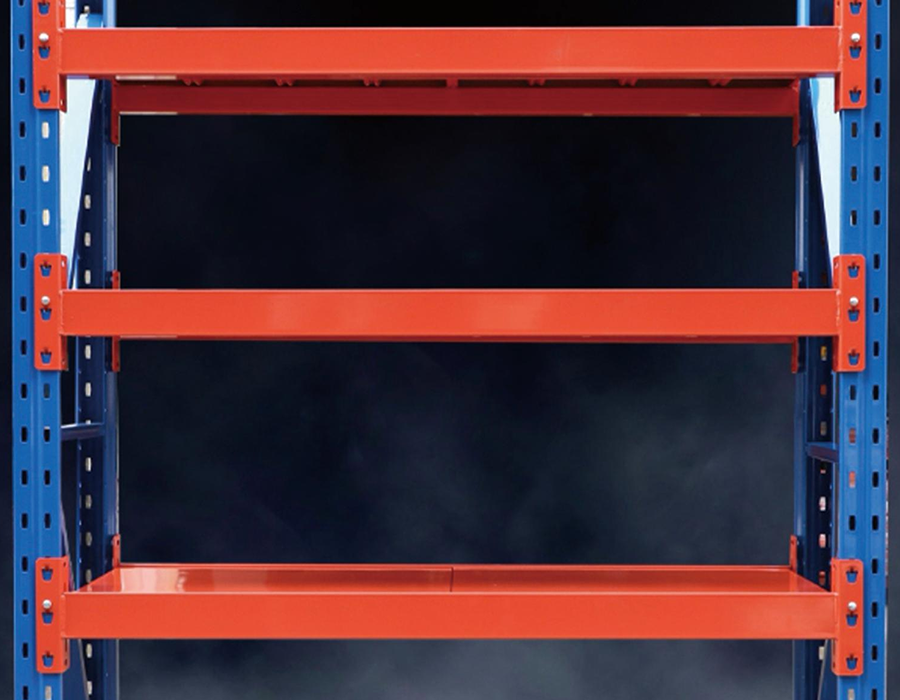 Light-Duty Boltless Shelving for Small Parts and ConsumablesA ≤150 kg-per-layer boltless unit for small loose parts, documentation and light packaged goods, with adjustable, reconfigurable shelf heights.View Product →
This class of shelving turns up in more places than people expect, because most storage is still picked by hand:
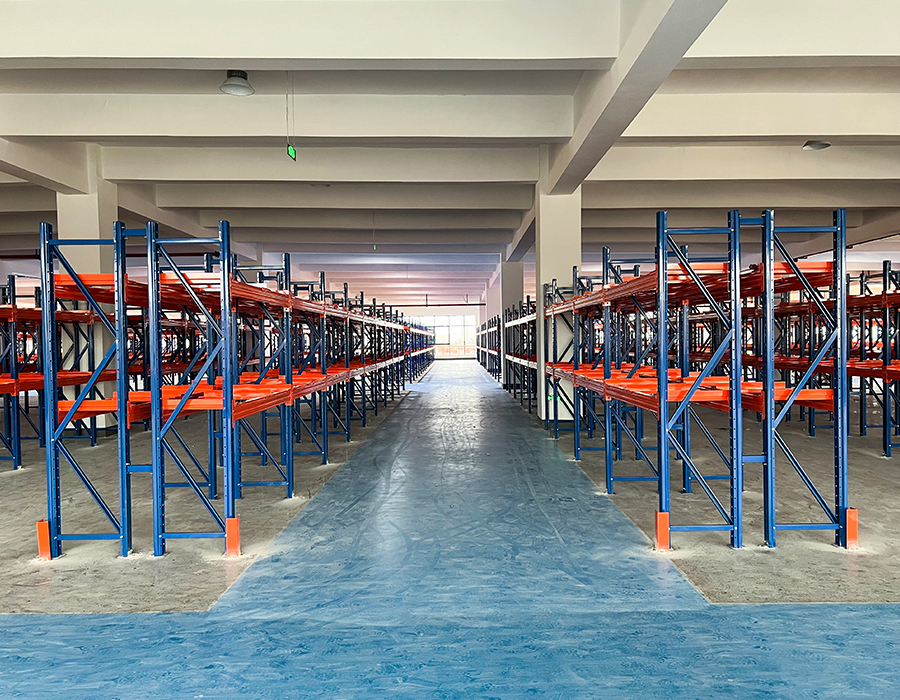
There is a natural ceiling, though. Once loads arrive on pallets and leave on a forklift, the shelving format stops being the right tool and a pallet racking system takes over. And if individual items push past what a 500 kg level can safely hold, stepping up to an 800 kg frame is cheaper than repairing a bowed shelf and the stock on it.
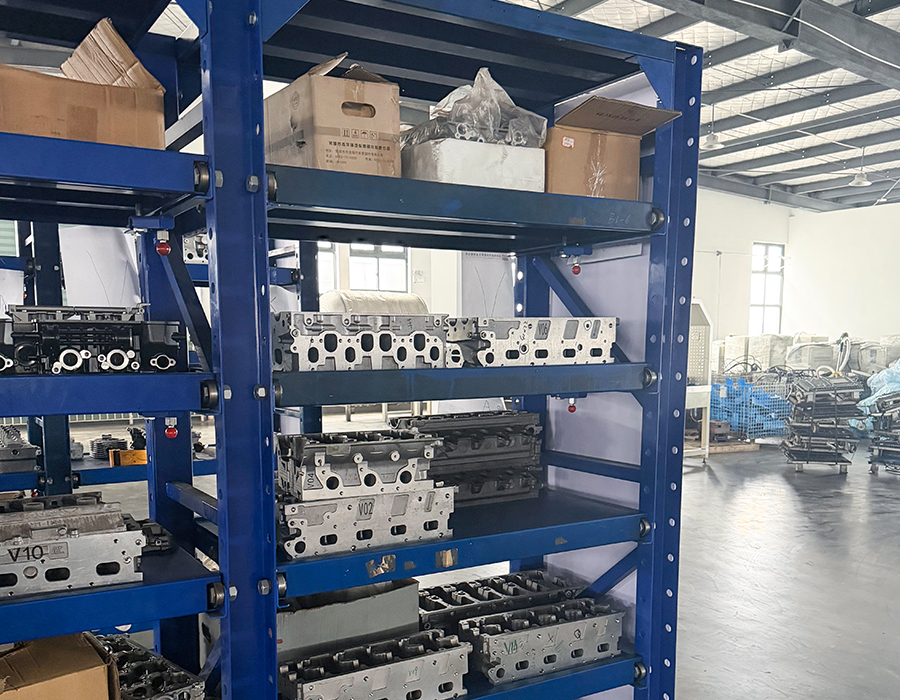 Heavy-Duty Boltless Racking for High-Load StorageFor loads beyond a 500 kg level, this heavy-duty boltless racking uses reinforced uprights and safety locking pins for high-load industrial storage.View Product →
Nearly every problem we are asked to look at comes back to installation rather than manufacture. A level floor is the first requirement: shim the feet if the slab is uneven, because a frame that rocks under load will slowly work its beams loose. Anchor tall runs and any unit in a busy aisle, and re-check beam engagement after the unit has been moved — beams that were tapped in before a relocation are often only half seated afterwards.
Load evenly. A shelf rated for 500 kg uniformly distributed is not rated for 500 kg stacked in one corner, and point loads are what bend panels. Keep aisles wide enough for the trolley or pallet truck in use, and leave clearance under sprinkler heads and light fittings.
We keep a plain-language primer on medium-duty boltless shelving basics for teams who are specifying their first run and want the terminology straight before talking to anyone.
Anhui Huijian Intelligent Equipment builds shelving and racking at our Guangde base, with six production lines and quality checks that follow each unit from incoming steel through to the final inspection before dispatch. We would rather spend ten minutes understanding how your store room actually runs than send you a catalogue and a price. If you are weighing up light, medium or heavy-duty units, send us a rough sketch of the room and a note on what goes on the shelves — we will tell you honestly which class fits, and where a different product in the range would serve you better.
Visit our Yiwu showroom:
No. 983-985, Chouzhou North Road, Yiwu, Zhejiang, China
Bring your project details:
WeChat ID: Patrick01. Search this ID in WeChat to add us directly.
Our Professional Team
Is Ready to Support You.


 Warehouse Storage Racks Manufacturers






 English
 Español