 2026.10.12
 Industry News
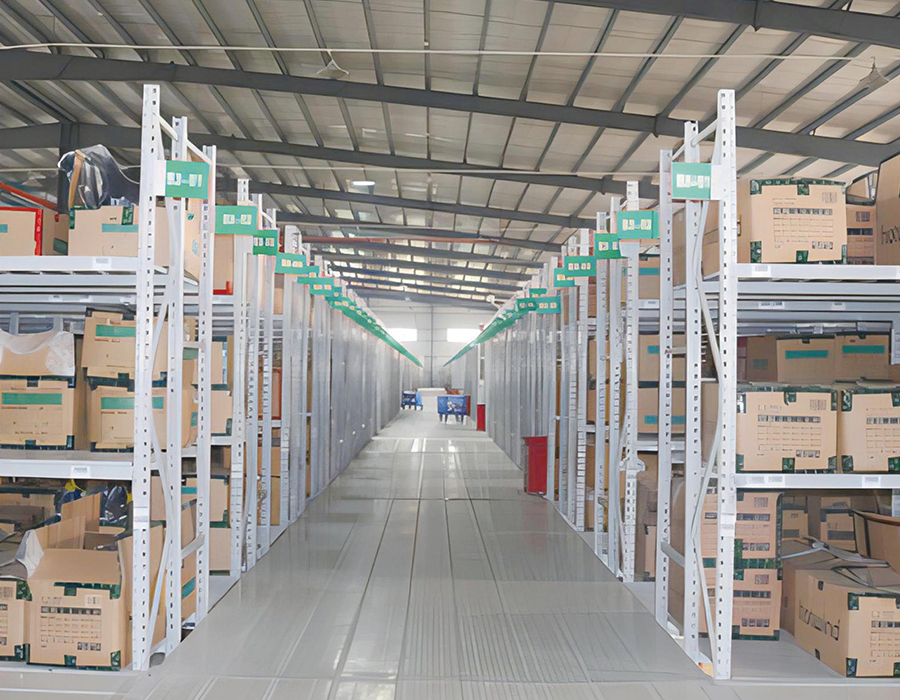
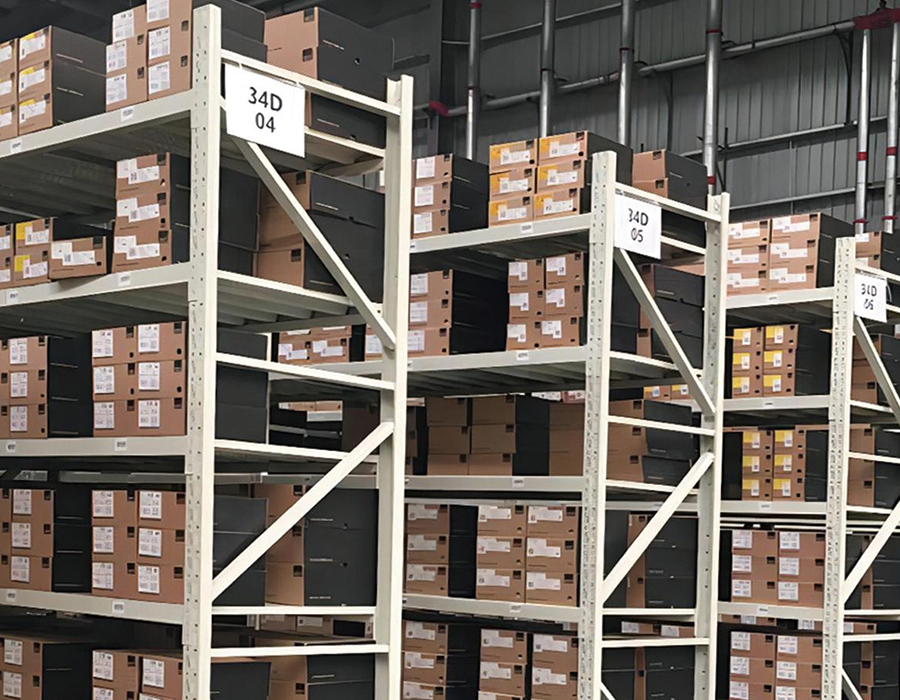
Industrial light-duty boltless shelving is the quiet workhorse of many factories, workshops, and backrooms. It is not built to carry pallets of castings or drums of chemicals. Instead, it handles the thousands of small and medium items that keep a facility moving: spare parts, hand tools, fixtures, samples, archive boxes, and e-commerce stock. The appeal is simple. A boltless shelving unit assembles with a mallet or even by hand, adjusts without specialized tools, and can be reconfigured as storage needs change.
If you are comparing options, the goal is not to find the cheapest shelf. The goal is to match the shelf to the real load, the space, and the people who will use it every day. That is where a little knowledge goes a long way.
Content
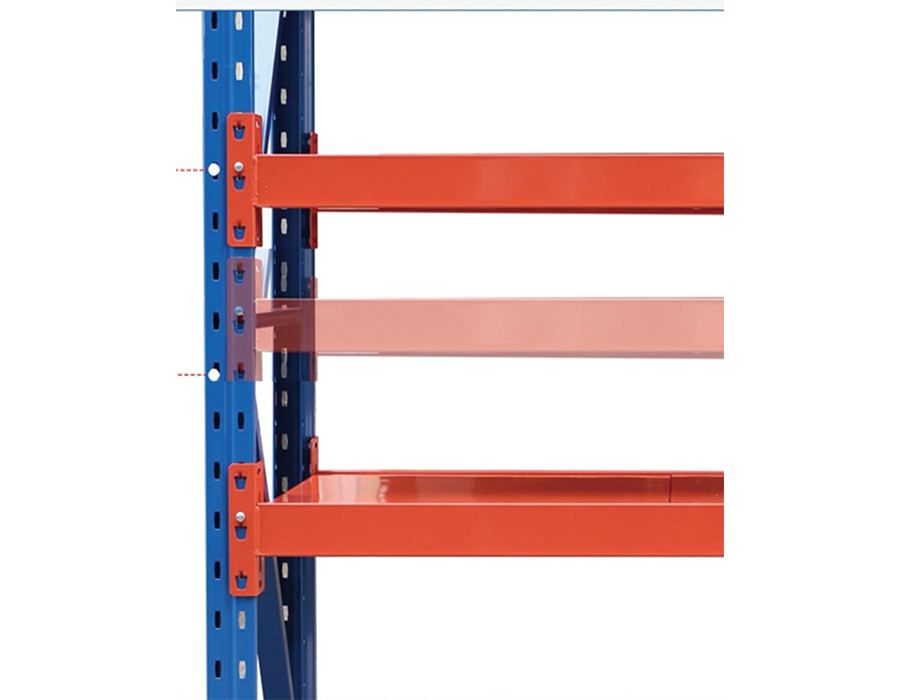
Most light-duty boltless shelving is built around a rivet-style or keyhole-style connection. The uprights have slots, and the beams or shelf levels lock into those slots. A rubber mallet seats the parts, but the design usually avoids loose bolts, nuts, and small clips that disappear on a busy floor. Because the shelf levels can be moved in small increments, you can create storage heights that fit bins, cartons, or parts containers rather than forcing everything into one fixed opening.
In practical terms, light-duty usually means a per-shelf capacity around 150 kg or less. That does not sound like much until you calculate what a shelf actually holds. A row of small steel parts, a set of molds, or a stack of archive boxes can add up quickly. The point is to treat the load rating as a ceiling, not a target. A shelf that is overloaded may still stand for a while, but it will not stay safe or easy to use.
Light-duty boltless shelving fits best where people pick items by hand and where storage needs change more often than the building does. You will see it in maintenance stores, assembly areas, tool cribs, retail stockrooms, and small warehouses. The common thread is not the industry. It is the way the shelf is used.
The key is to avoid treating a light-duty shelf like a heavy pallet rack. If a forklift needs to place a pallet on the shelf, the application has already moved beyond light-duty territory.
When you compare industrial light-duty boltless shelving, do not look only at the outer size. Two units can share the same footprint but perform very differently because of steel thickness, beam design, shelf support, and deck material. Use the table below as a starting point, then confirm the final figures with the supplier.
| Specification | Typical Light-Duty Range | What to Check |
|---|---|---|
| Load per shelf | 100–150 kg | Confirm evenly distributed load and shelf beam type. |
| Shelf adjustment | 25–50 mm increments | Smaller increments make it easier to fit mixed carton heights. |
| Deck options | Steel, particle board, wire mesh | Steel suits oily parts; board suits cartons; mesh improves visibility and airflow. |
| Assembly | Boltless, mallet-assisted | Check that beams seat fully and that safety clips are included where required. |
| Finish | Powder-coated steel | Look for a finish that resists chipping in a working environment. |
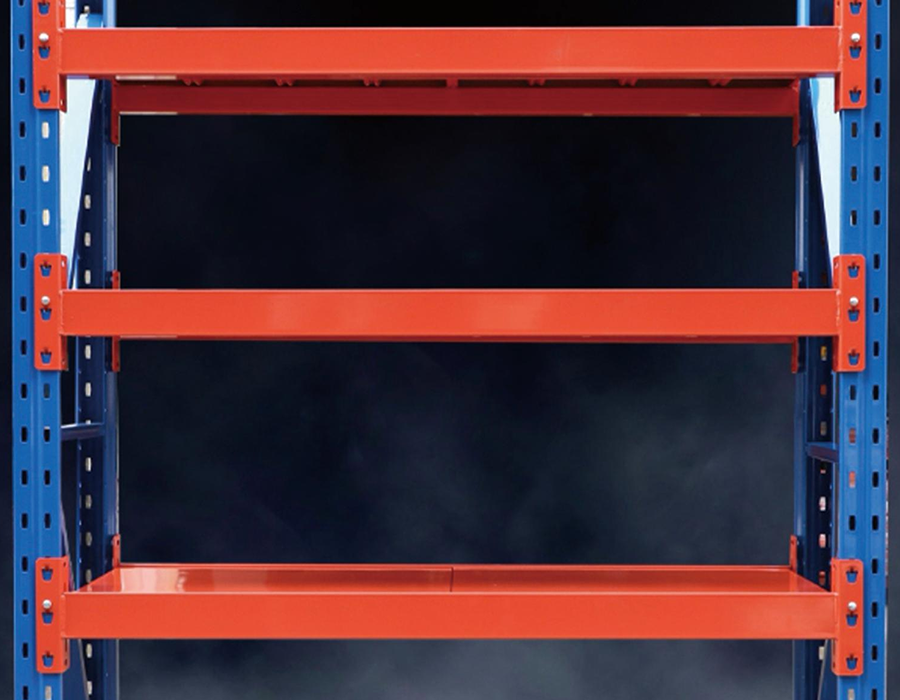 Light-Duty Boltless Shelving Up to 150 kg per LayerA fastener-free, adjustable system for small parts, documents, and light packaged goods; check steel thickness and shelf support before choosing.View Product →
A good choice starts with a few honest measurements. You do not need an engineering study for most light-duty projects, but you do need to know what the shelf will hold and who will reach it.
If your loads regularly exceed 150 kg per shelf, do not push a light-duty unit beyond its design. Step up to a medium-duty boltless shelving system instead. It uses heavier beams and uprights while keeping the same tool-free assembly logic.
 Medium-Duty Boltless Shelving with 500-800 kg per LayerA tool-free shelving system for loads beyond light-duty, with reinforced uprights, thicker shelf plates, adjustable heights, and diagonal bracing for stability.View Product →
Boltless shelving is popular because it goes together quickly, but speed should never replace care. A unit that is assembled on an uneven floor, left unsecured, or loaded from one side can become unstable. The good news is that most problems are easy to prevent with a short checklist.
These checks take only a few minutes. They also protect the people who use the shelf every day, which is far more important than saving a little assembly time.
At Anhui Huijian Intelligent Equipment Co., Ltd., we work in the warehouse shelving sector every day. We see how quickly a storage plan can fall apart when a shelf is hard to adjust, difficult to assemble, or weaker than the label suggests. That is why our light-duty boltless shelving is designed around clean, repeatable assembly and sensible load ratings.
Our production base in Guangde, Anhui, includes a 1,500 square meter R&D center and 58,000 square meters of factory space, with six production lines and an annual capacity of 180,000 sets of smart warehouse shelving. We follow ISO9001:2015 quality management practices, with checks on incoming materials, in-process production, and final products before shipment. Those numbers matter because they support consistent supply, but the daily reality matters more: shelves should arrive complete, assemble without frustration, and fit the way people actually work.
We also know that light-duty shelving rarely stands alone. It often sits beside workbenches, tool storage, and material racks. If your storage is on the shop floor rather than in a warehouse aisle, it may be worth looking at our industrial workshop material racks as a companion solution.
Industrial light-duty boltless shelving is not glamorous, but it solves a daily problem: where to put the items that keep work moving without creating clutter, wasted motion, or safety risks. Start with an honest load count, choose a shelf level that can be adjusted, and leave room for the storage plan to grow. If you would like a closer look at practical layout ideas, read our guide on light-duty boltless shelving.
When you are ready to compare sizes or plan a bay layout, our team can help you turn a rough parts list into a workable shelving setup. No hard sell, just practical advice from people who build shelving every day.
Visit our Yiwu showroom:
No. 983-985, Chouzhou North Road, Yiwu, Zhejiang, China
Bring your project details:
WeChat ID: Patrick01. Search this ID in WeChat to add us directly.
Our Professional Team
Is Ready to Support You.


 Warehouse Storage Racks Manufacturers






 English
 Español