 2026.09.30
 Industry News
Heavy-duty boltless shelving is one of the simplest answers to a very common problem: a warehouse or workshop that keeps accumulating dies, spare motors, boxed components and pallets faster than anyone can plan fixed storage for them. Because the beams slot into the uprights without a single bolt or rivet, a bay can be standing within minutes and re-levelled just as quickly when the inventory mix changes.
We build shelving for exactly that kind of working environment, so this guide sticks to the practical questions: how heavy-duty boltless shelving is rated, where it earns its place on a busy floor, and how to plan a bay that will still be useful years from now.
Content
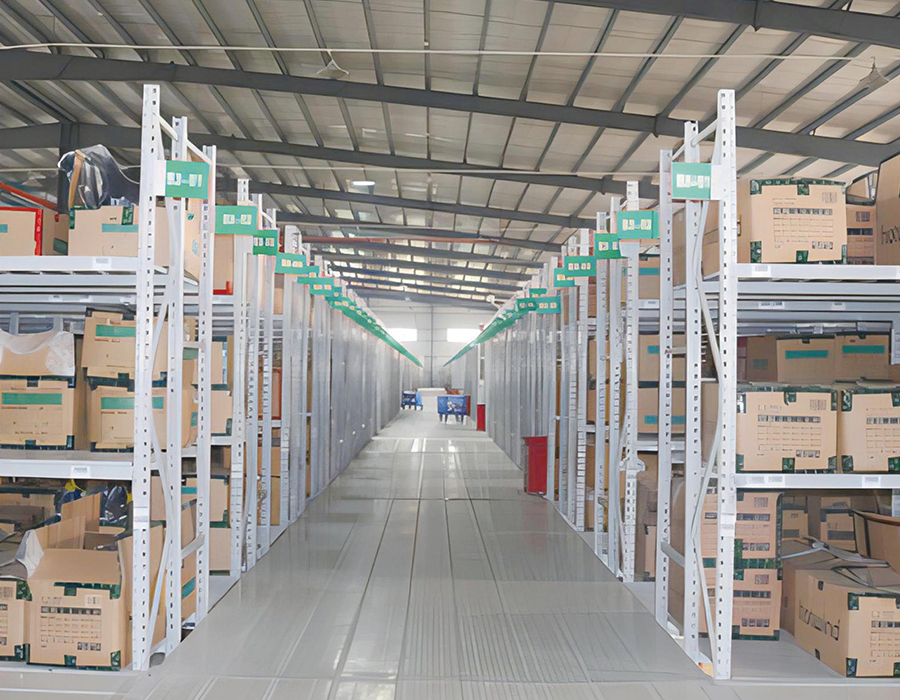
Boltless shelving, often called rivet shelving or slot shelving, uses uprights punched with keyhole or teardrop slots. The beam ends carry shaped lugs that drop into those slots and seat with a firm tap from a rubber mallet. There is no welding, no loose fastener bag and no specialist tooling. That simplicity is what keeps the price sensible and the shelf levels genuinely adjustable.
In practice, heavy-duty describes the load rating of each individual shelf level rather than the look of the frame. A typical ladder runs from 150 kg per layer, through 500 kg per layer, up to 800 kg per layer. The 800 kg tier is a real industrial product: thicker steel, deeper beams and uprights sized to carry the accumulated weight of a fully loaded bay. Performance comes from the steel specification and the beam-to-upright connection, not from the colour of the powder coating.
Two numbers deserve attention when you compare quotations. The first is the uniform distributed load per layer, meaning the weight that can be spread evenly across one level. The second is the total capacity of the whole bay, which depends on upright strength, the number of levels and how evenly the load sits. A single 400 kg motor placed in the middle of a shelf is a very different engineering problem from 400 kg spread across the full width.
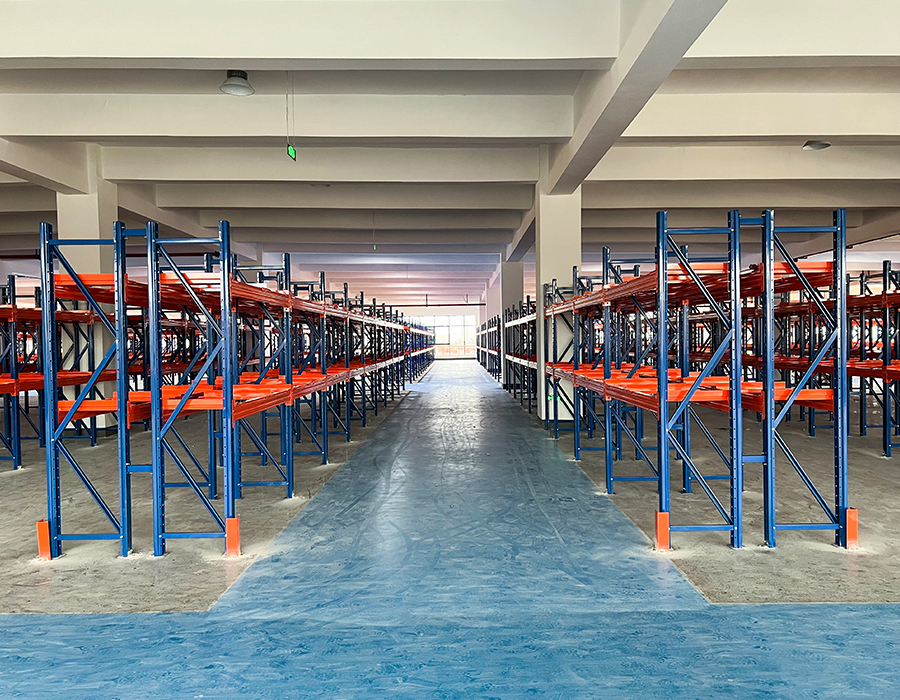
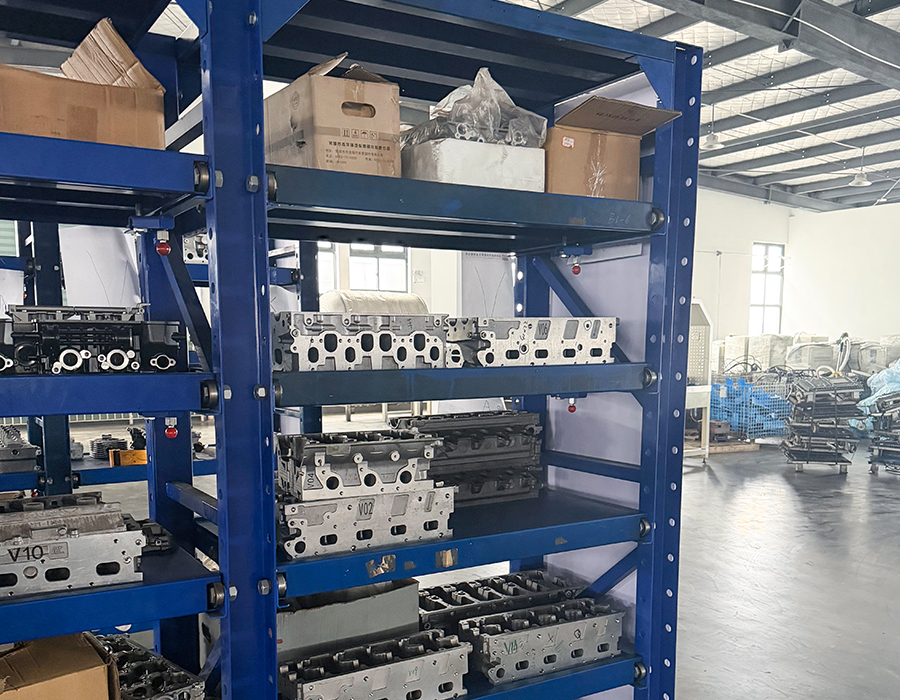 Heavy-Duty Racking (>800 kg/layer)Heavy-duty boltless shelving is engineered for high-load applications, supporting up to 800 kg per shelf level, with thickened uprights and reinforced shelf plates sec...View Product →
Both belong in a warehouse, and confusing them is an expensive mistake. Boltless shelving is built for hand access: a person reaches in, lifts out a carton, a tool, a mould or a component and carries it away. Pallet racking is built for forklift access, where whole pallets are lifted in and out of deep beam levels. The two are complementary rather than competing.
| Storage tier | Load per layer | Typical contents | Access method |
|---|---|---|---|
| Light-duty boltless shelving | 150 kg | Cartons, small parts, files, light retail stock | By hand |
| Medium-duty boltless shelving | 500 kg | Tools, components, boxed goods, backroom stock | By hand or trolley |
| Heavy-duty boltless shelving | 800 kg | Dies, motors, jigs, dense metal parts | By hand, pallet truck or lift table |
| Heavy-duty pallet racking | Per pallet, per beam level | Palletised raw material and finished goods | Forklift or reach truck |
Treat that table as a starting point rather than a rule. Many sites pair a heavy-duty 800 kg boltless bay for hand-picked dense parts with pallet racking behind it for bulk reserve stock. The rule of thumb stays simple: if a hand goes in, choose shelving; if a fork goes in, choose racking.
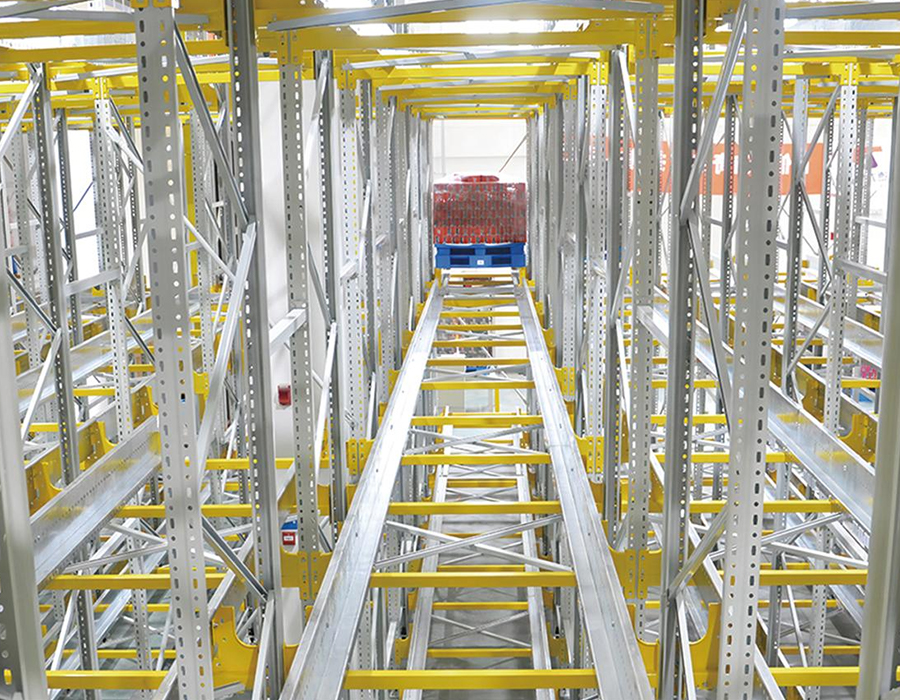
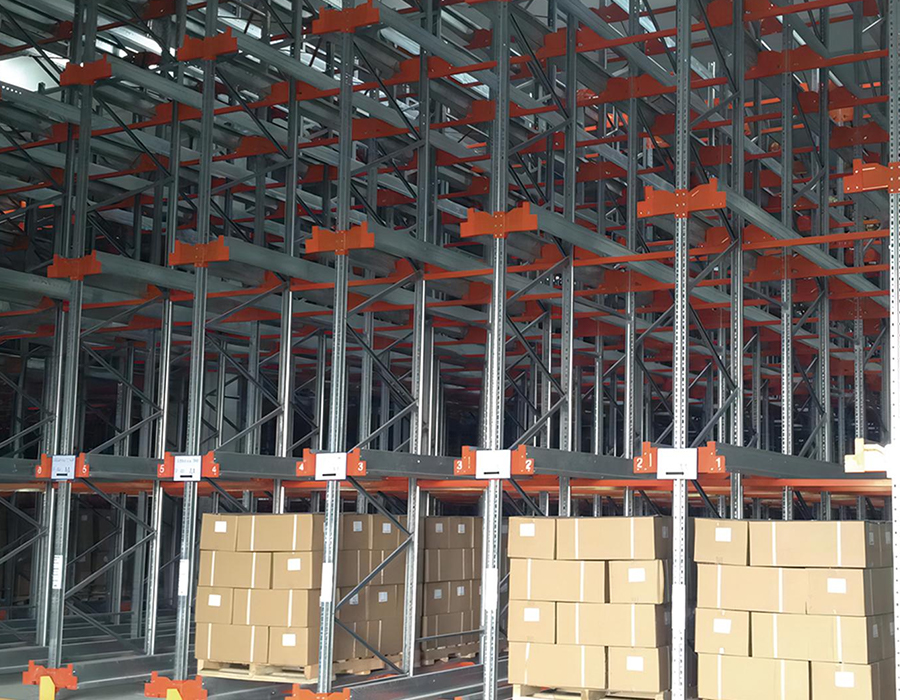 Heavy-Duty Pallet RackingHeavy-duty pallet racking encompasses a full range of industrial-grade storage systems built around the pallet as the primary storage unit — including selective, doubl...View Product →
The applications below are where we see the strongest fit between a bolted steel frame, a hand-pick workflow and the need to change layout without a shutdown.
Notice how many of these sit close to production rather than in a finished-goods warehouse. Shelving that can be installed by two people in an afternoon and adjusted again next month is often worth more on the shop floor than a heavier fixed structure that nobody wants to move.
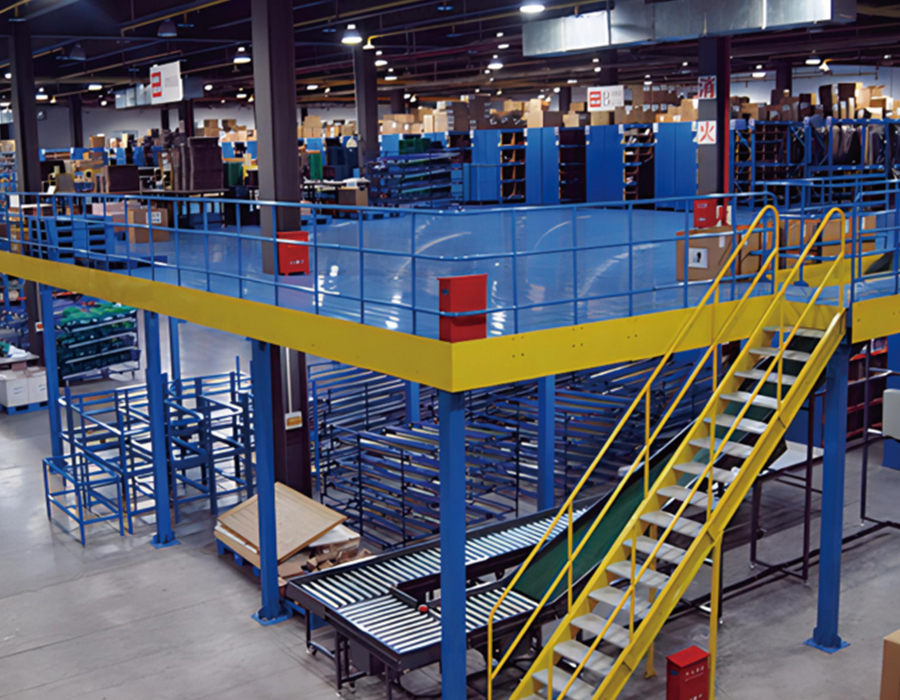
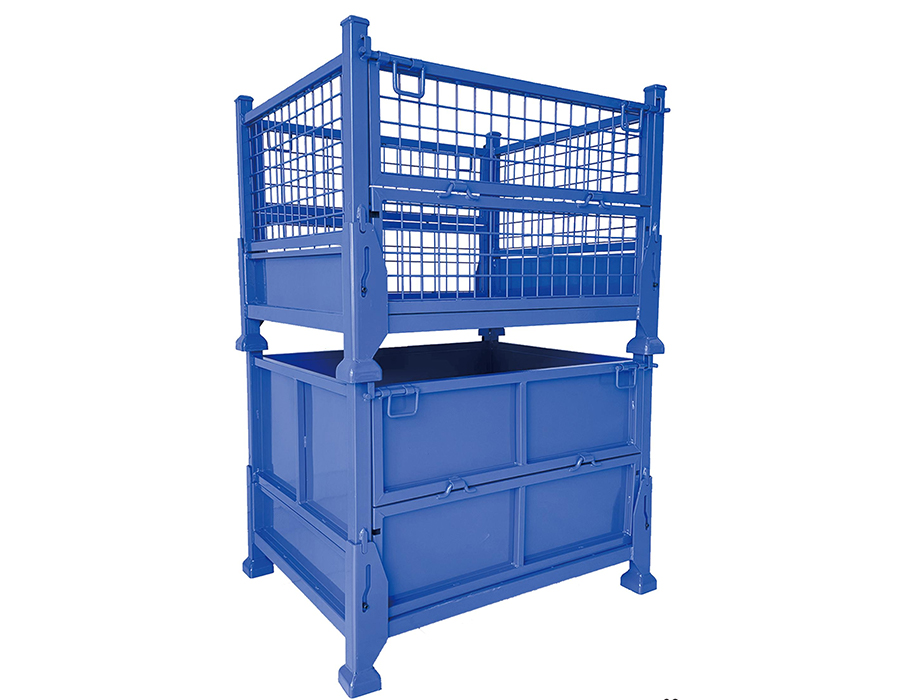 Industrial Workshop Material RacksAnhui Huijian Intelligent Equipment Co., Ltd., located in Guangde, Anhui, is a premier specialist in the warehouse shelving industry. We are dedicated to providing hig...View Product →
Work through these steps in order and most specification errors disappear before the purchase order is written.
Rated shelving only performs as rated when it is installed and used as intended. A few habits prevent most incidents.
Capacity figures are only meaningful if the steel behind them is consistent. Our base in Guangde, Anhui covers 50 mu, with 58,000 square metres of factory space, a 1,500 square metre research and development centre and six production lines capable of turning out up to 180,000 sets of warehouse shelving a year. Quality control follows ISO 9001:2015 practice in three stages: incoming material inspection, in-process checks at every operation, and a final inspection before anything leaves the plant.
If you are still weighing up storage types, our complete guide to warehouse storage rack types and load limits walks through the wider family of systems and how each one is rated. You can also browse our shelving and racking range to see how light, medium and heavy-duty boltless bays sit alongside pallet racking, metal pallets, stackable racks and steel platforms.
Our heavy-duty tier is rated at 800 kg per layer as a uniform distributed load. The practical limit for a whole bay is lower than 800 kg multiplied by the number of levels, because the uprights must also carry the combined weight. Always confirm both the per-layer figure and the bay total for the exact configuration you order.
Correct. The beams lock into slotted uprights and are secured by the lug geometry and a positive seat. That is also why levels can be moved later without leaving empty holes or weakened points in the frame.
Yes. Additional bays can be added side by side or as a back-to-back row, and extra shelf levels can be added within the existing frame height, provided the upright capacity still allows for the added load.
Visit our Yiwu showroom:
No. 983-985, Chouzhou North Road, Yiwu, Zhejiang, China
Bring your project details:
WeChat ID: Patrick01. Search this ID in WeChat to add us directly.
Our Professional Team
Is Ready to Support You.


 Warehouse Storage Racks Manufacturers






 English
 Español