 2026.06.22
 Industry News
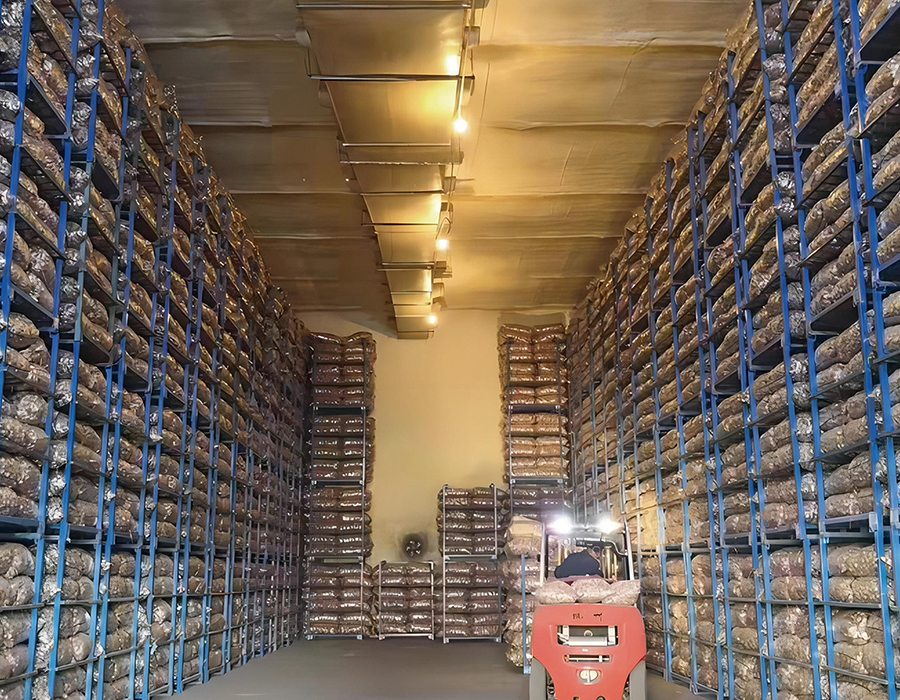
Warehouse stack racks have become one of the most practical storage solutions for facilities that need to maximize floor space without committing to a permanent racking system bolted to the floor. Unlike fixed pallet racking, stack racks are freestanding, stackable, and movable, which gives warehouse managers a level of flexibility that fixed systems simply can't offer. This article covers what warehouse stack racks are, the different styles available, how to choose the right capacity and configuration, and how to use them safely and efficiently in day-to-day operations.
Content
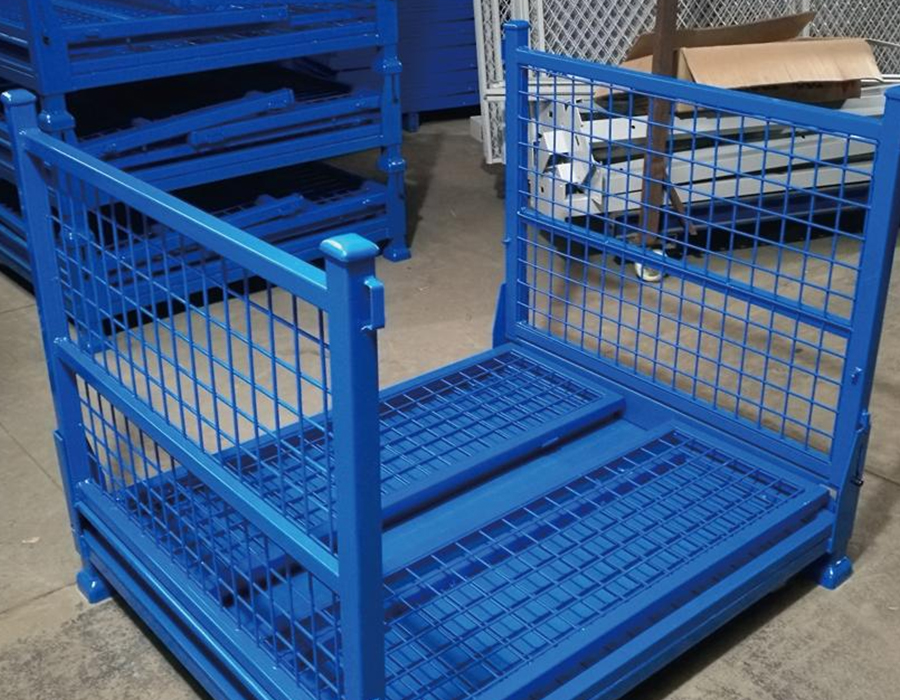
A warehouse stack rack is a freestanding metal frame, typically made of steel, designed to hold palletized goods while allowing multiple loaded racks to be stacked directly on top of one another. Each rack has four corner posts and a flat deck or set of beams that supports the load above while transferring weight straight down through the posts to the rack beneath it. This design lets a warehouse build vertical storage columns without needing a permanent racking structure, and because the racks themselves can be unstacked and moved, the storage layout can change as quickly as business needs change.
This flexibility makes stack racks especially valuable in operations with seasonal inventory swings, rented warehouse space, or facilities that need to repurpose floor space for different products throughout the year. Because nothing is anchored to the floor or ceiling, a section of stack racks can be cleared out and the space reused for staging, equipment, or an entirely different storage configuration without any demolition or reinstallation work.
Stack racks come in a few distinct styles, each suited to different load types and handling requirements. Picking the right style depends on what's being stored and how often loads need to be accessed or rearranged.
These are the most common type, consisting of a solid or mesh deck supported by four corner posts. Empty units nest or stack together for compact storage when not in use, and loaded units stack directly on top of each other, with each rack's posts bearing the weight of everything above it.
Collapsible racks have hinged or removable corner posts that fold down flat when the rack is empty, drastically reducing the storage footprint of unused units. These are popular in operations where empty racks need to be stored compactly between uses, such as seasonal warehousing or rental equipment yards.
Post pallets combine a pallet base with four fixed or removable posts, allowing loaded pallets to stack securely without crushing the goods below. These are common in food and beverage warehousing, where stacking cartons or bagged goods directly on top of each other would damage the product underneath.
Warehouse managers comparing storage options often weigh stack racks against traditional fixed pallet racking systems. Each has clear advantages depending on the operation's needs.
| Feature | Stack Racks | Fixed Pallet Racking |
| Installation | No installation required | Requires bolting to floor or structure |
| Layout Flexibility | High, can be rearranged anytime | Low, fixed once installed |
| Best For | Seasonal storage, rented spaces, changing inventory | Long-term, high-density permanent storage |
| Access to Individual Loads | Requires removing racks above | Direct access to every pallet position |
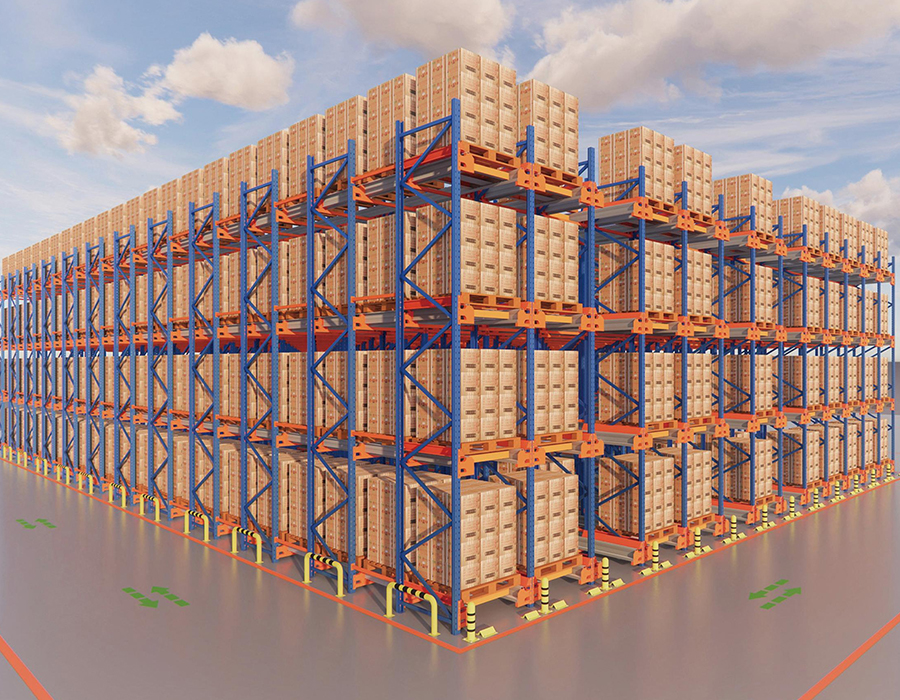
Stack racks tend to win out when flexibility and low upfront installation cost matter more than instant access to every individual load, while fixed racking remains the better choice for high-turnover operations where forklifts need to reach any pallet position at any time without rearranging anything above it.
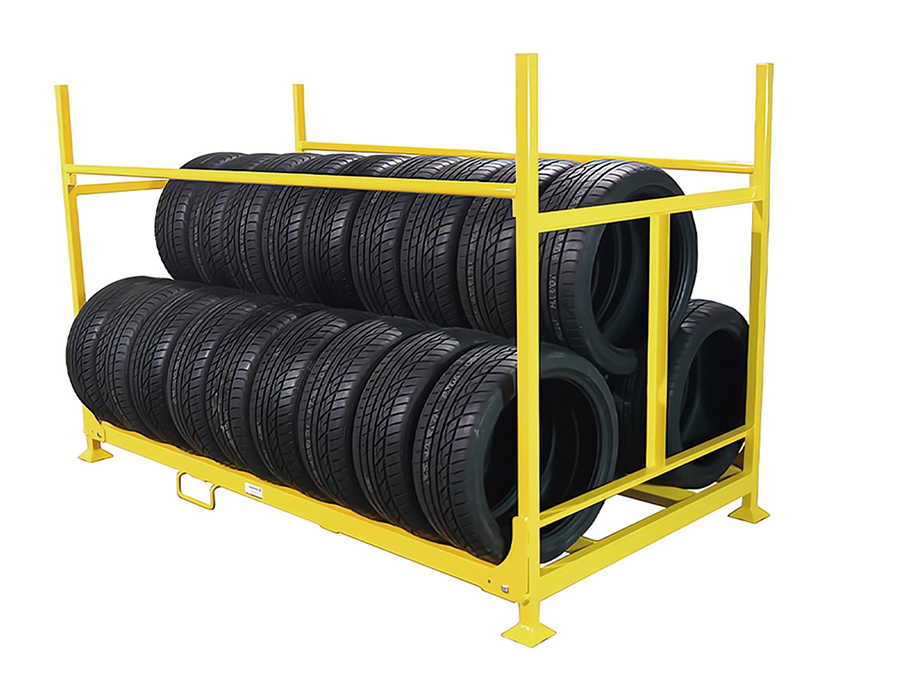
Selecting stack racks without carefully checking capacity ratings is one of the most common mistakes warehouse buyers make. Capacity needs to account not just for the weight of a single load, but for the cumulative weight that the bottom rack in a stack will ultimately bear.
Because stack racks rely on careful alignment and weight distribution rather than bolted structural support, safe stacking technique matters more here than with fixed racking systems.
Stack racks see constant handling by forklifts, which makes regular inspection essential to catching damage before it leads to a collapsed stack or a dropped load. A simple inspection routine, built into existing warehouse safety checks, goes a long way toward preventing accidents.
Warehouse stack racks give operations a way to make the most of available floor and vertical space without locking into a fixed racking layout that's expensive and time-consuming to change. By choosing the right rack style and capacity for the specific loads being stored, following sound stacking practices, and keeping up with regular inspections, warehouses can run a flexible, efficient storage system that adapts as inventory and space needs shift over time. For any operation dealing with seasonal swings, shared warehouse space, or frequently changing product lines, stack racks offer a level of adaptability that fixed storage systems simply can't match.
Our Professional Team
Is Ready to Support You.


 Warehouse Storage Racks Manufacturers




 English
 Español