 2026.08.05
 Industry News
Content
Industrial pallet racking is a structural storage system built to hold palletized goods in vertical rows, allowing warehouses to make full use of ceiling height instead of just floor space. Instead of stacking boxes directly on the ground, businesses use steel frames, beams, and support columns to organize inventory into clearly labeled, easily accessible levels. This simple shift changes everything about how a warehouse operates, from how fast workers can locate items to how much product a facility can physically hold.
For companies dealing with high inventory turnover, industrial pallet racking is not just a storage upgrade, it is often the difference between a warehouse that runs smoothly and one that constantly deals with bottlenecks. A well-planned racking system reduces travel time for forklifts, minimizes product damage, and creates a safer, more organized floor layout that supports faster order fulfillment.
Not every warehouse needs the same racking setup. The right choice depends on inventory volume, how often pallets are accessed, and the physical layout of the facility. Below is a breakdown of the most widely used pallet racking systems and what makes each one suitable for different operations.
| Racking Type | Best Use Case | Pallet Access |
| Selective Pallet Racking | General warehousing with varied SKUs | Direct access to every pallet |
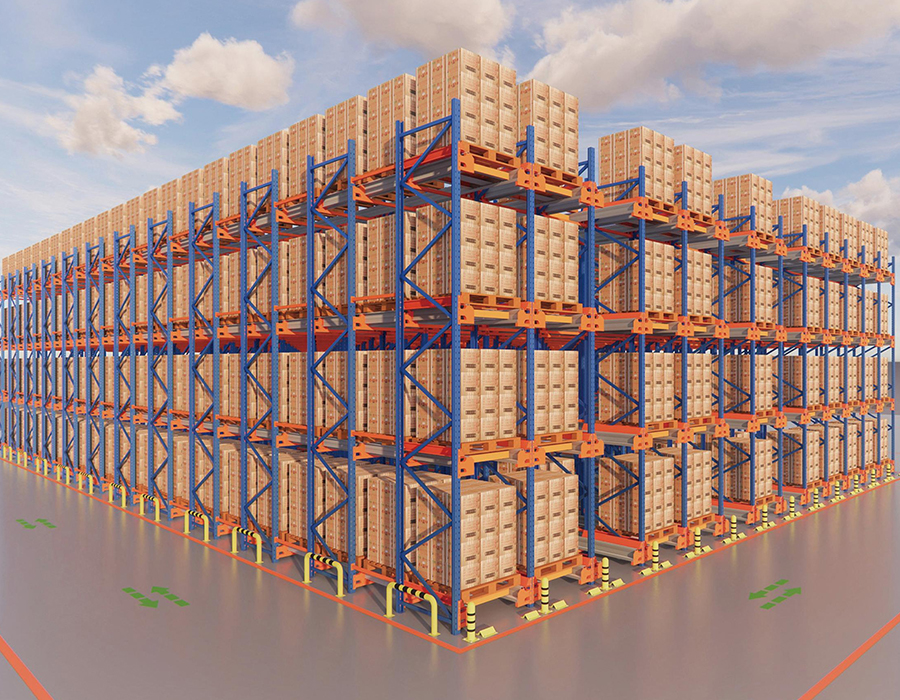
| Drive-In Racking | High-density storage of uniform products | Last In, First Out (LIFO) |
| Push-Back Racking | Medium-density storage with fewer SKUs | Last In, First Out (LIFO) |
| Pallet Flow Racking | High-turnover perishable or FIFO items | First In, First Out (FIFO) |
| Cantilever Racking | Long, bulky items like pipes or lumber | Direct, open-front access |
Selective pallet racking remains the most popular option because it offers the best balance between accessibility and cost. However, facilities with limited floor space but high stock volume often turn to drive-in or push-back systems to maximize density, even though this comes at the cost of slower pallet rotation.
Picking a racking system is not a one-size-fits-all decision. It requires a clear understanding of your inventory behavior, warehouse dimensions, and handling equipment. Below are the key factors that should guide the decision-making process.
If your warehouse handles a wide variety of SKUs that need to be picked frequently, selective racking is usually the better fit because every pallet stays directly accessible. If instead you are storing large batches of the same product for extended periods, high-density systems like drive-in racking make far better use of available cubic space.
Ceiling height, aisle width, and column spacing all directly affect which racking configuration will work. Narrow-aisle racking paired with specialized forklifts can significantly increase storage capacity in facilities where floor space is limited, while wider aisles allow standard equipment to operate more efficiently.
Heavy-duty industrial pallet racking is engineered to hold specific load capacities, and exceeding those limits creates serious safety hazards. It is important to confirm both the per-beam and per-frame weight ratings before finalizing a layout, especially when storing dense materials like metal parts or packaged liquids.
Even the best-designed pallet racking system can become a liability if it is installed incorrectly or used without proper safety protocols. Warehouses should follow established guidelines to protect both workers and inventory.
Many workplace accidents involving racking systems stem from overloading or improper forklift handling rather than manufacturing defects. Building a culture of routine inspection and reporting damaged components immediately can prevent minor issues from turning into structural failures.
Industrial pallet racking is a long-term investment, and proper maintenance plays a major role in how long it stays safe and functional. Warehouses that neglect upkeep often face costly repairs or premature replacement.
Look for signs of rust, bent frames, or misaligned beams on a monthly basis. Catching small deformities early allows for simple repairs rather than full section replacements down the line.
Update capacity labels whenever configurations change, such as adding new beam levels or adjusting frame spacing, so workers always have accurate information when loading pallets.
A single damaged upright can compromise the structural integrity of an entire racking row. Replacing damaged parts as soon as they are identified is far more cost-effective than dealing with a collapse.
Budgeting for a pallet racking system involves more than just the price of steel frames and beams. Installation labor, engineering assessments, permits, and ongoing maintenance all factor into the total cost of ownership.
Businesses should also account for future growth when budgeting. Choosing a racking system that can be expanded or reconfigured later often saves money compared to replacing an entire setup as inventory needs change.
Choosing the right industrial pallet racking system comes down to understanding your specific storage needs, from inventory turnover to available warehouse space and budget constraints. Taking the time to evaluate these factors upfront, and committing to regular inspection and maintenance afterward, ensures that your racking investment supports safe, efficient operations for years to come.
Our Professional Team
Is Ready to Support You.


 Warehouse Storage Racks Manufacturers




 English
 Español